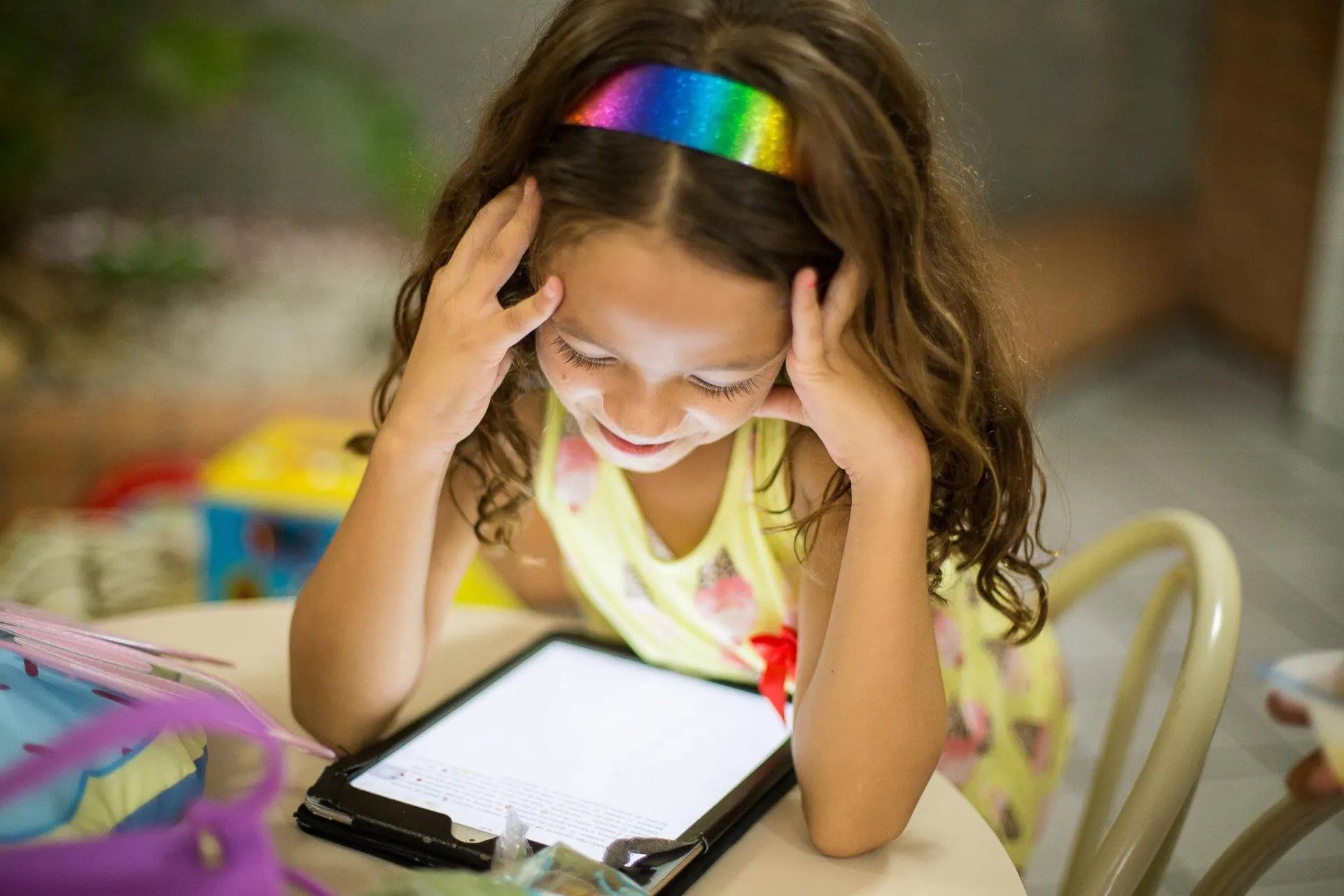
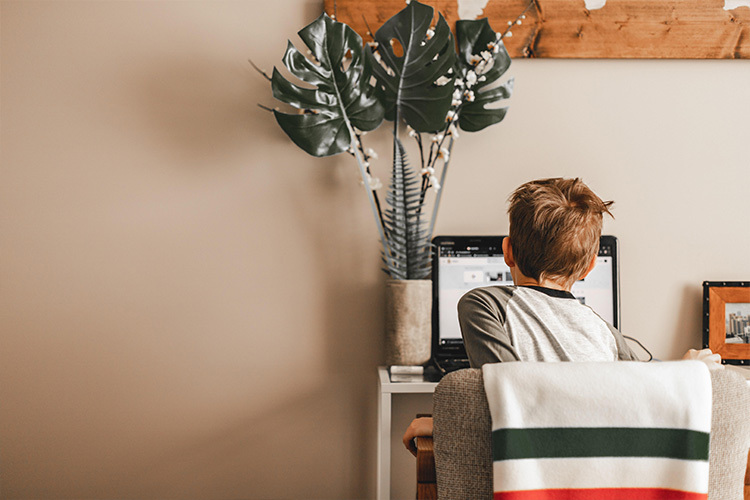
Screens are now part of everyday childhood life. From online learning and homework to gaming and entertainment, many children spend several hours each day using digital devices. For parents managing amblyopia treatment, this naturally raises questions about whether screen time may affect visual recovery, patching routines, or overall eye health.
Screen use does not directly “cause” amblyopia in most cases. Most cases happen because the eyes and brain do not work together during childhood. However, excessive or poorly managed screen habits may contribute to visual fatigue, reduced blinking, and prolonged near work , especially in children already undergoing treatment for amblyopia or other visual development issues. .
At the same time, some modern amblyopia therapies now use digital platforms and screen-based exercises as part of treatment itself. This makes the relationship between screens and amblyopia more complex than simply “good” or “bad.”
This article explores the impact of screen time on children being treated for amblyopia, including both potential challenges and practical ways families can manage screen habits more comfortably.
Why This Question Matters During Amblyopia Treatment
Amblyopia treatment often requires children to use the weaker eye regularly during activities such as reading, drawing, close-up work, and other near activities depend on regular visual effort. A child may already be wearing glasses, patching, using atropine, or taking part in a digital binocular therapy programme. When long periods of general screen use are added on top of that, some children may become more visually tired, less comfortable, or more resistant to treatment routines.
That does not mean screen time directly worsens amblyopia itself in the same way that poor treatment adherence might. It means screen habits can affect visual comfort, attention, and toleranceduring near work, which are all relevant during treatment.
Screen Time Can Increase Visual Fatigue
One of the clearest concerns is digital eye strain. Children using screens for long periods may blink less, hold devices too close, and spend prolonged time focusing at near distance.
For a child already dealing with amblyopia treatment, that extra fatigue may show up as:
- Less patience during patching
- More complaints of blurred vision or headaches
- Reduced interest in reading or near tasks
- More visual tiredness later in the day
This does not mean every child with amblyopia will react strongly to screens, but it does help explain why heavy recreational screen use may make treatment days feel harder.
General Screen Use Is Different From Digital Amblyopia Therapy
A very important distinction is that ordinary screen time is not the same as prescribed digital treatment. Watching videos, gaming casually, or scrolling on a tablet is very different from using a structured amblyopia programme designed to deliver binocular or dichoptic (different images shown to each eye) stimulation.
This matters because parents may hear that screen-based treatment exists and assume that all screen time could be helpful. That is not the case. A therapeutic digital programme is prescribed, structured, time-limited, and specifically designed for amblyopia treatment. General screen use does not offer the same benefit.
How Excessive Screen Time May Affect Treatment Routines
For many families, the bigger issue is practical. A child who spends a lot of time on screens may become more visually tired, less cooperative, or less willing to do treatment tasks that already feel demanding. This is especially relevant during patching, when near work may already feel harder while the stronger eye is covered.
In practice, this may mean:
- Patching sessions feel more frustrating after long screen use
- Headaches are more noticeable on heavy screen days
- Homework and reading feel harder
- The child becomes less comfortable with visual demanding tasks
So while screen time may not directly undo amblyopia treatment, it can still affect how manageable treatment feels in daily life.
Screen Time, Posture, And Headaches
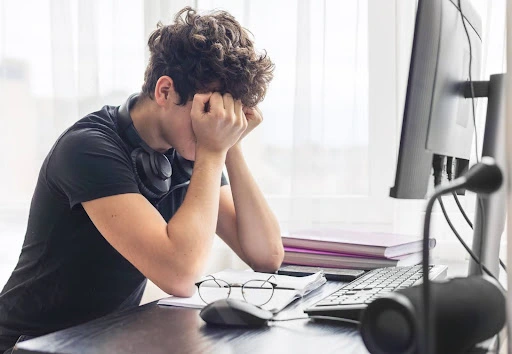
Another issue is that screen-related symptoms are not always purely visual. Prolonged screen use may also contribute to poor posture, muscle tightness, and headaches associated with eye strain.
A child being treated for amblyopia may complain of:
- Headaches after screen sessions
- Sore or tired eyes
- Blurred vision after near work
- Neck or shoulder discomfort
These symptoms can make it seem as though treatment is going badly, when part of the problem may actually be broader screen-related strain.
What Research Suggests About Screens And Broader
The screen-time discussion also connects to broader pediatric eye health. Heavy screen use has been linked with digital eye strain, reduced blink rate, dry eye symptoms, and other eye-related problems in children. These effects are not specific to amblyopia, but they do support the idea that excessive screen use can add extra visual load during treatment.
This is a useful context because a child with amblyopia still has a developing visual system. Even if screen time is not the cause of the condition, it may still affect eye comfort and visual tolerance while treatment is ongoing.
General Screen Time Vs Therapeutic Digital Use
| Type of screen use | What it may do |
| General recreational screen time | May increase eye strain, blurred vision , headaches, and eye fatigue |
| Online learning or long homework screen sessions | May increase prolonged near work, leading to visual tiredness |
| Prescribed digital amblyopia therapy | May support treatment in selected children when used as directed |
| Excessive screen use near bedtime | May worsen sleep habits, which can make treatment routines harder |
Sleep And Screen Habits Also Matter
Screen habits are not only about how long a child uses a device. Timing and routine matter too. Late-night screen use may affect sleep, and poor sleep can make a child less patient, less focused, less comfortable and less cooperative during amblyopia treatment the next day.
For a child already doing treatment, poor sleep may lead to:
- Less patience with patching
- Worse concentration during near work
- More headaches or tired-eye complaints
- More treatment resistance the next day
What Families Can Do Practically
A balanced approach usually works best. Families do not always need to remove screens completely, but it helps to make screen use more intentional.
Useful steps may include:
- Following the 20-20-20 rule (Every 20 minutes, look at something about 20 feet / 6 meter away for at least 20 seconds)
- Encouraging children to blink regularly and maintain a good viewing distance
- Reducing long uninterrupted recreational screen sessions
- Keeping general screen use separate from prescribed digital therapy
- Avoiding screens right before bedtime
- Noticing whether symptoms get worse on heavier screen days
These small changes may help reduce visual strain and make treatment routines easier to manage.
Conclusion
The impact of screen time on children being treated for amblyopia depends largely on how screens are used, how long they are used continuously, and how the child responds visually during treatment. While excessive uninterrupted screen use may contribute to eye strain and fatigue, moderate and well-managed screen use is not generally considered harmful to amblyopia treatment.
In some cases, digital tools may even support modern amblyopia therapy. The key is maintaining balanced visual habits, regular breaks, and ongoing professional follow-up throughout treatment.
Children undergoing amblyopia treatment should continue regular follow-up with an ophthalmologist to monitor visual progress and adjust treatment as needed. Eye doctors such as Dr. Ng Gim Leong, Senior Consultant Ophthalmologist, assess visual development, evaluate treatment response, and provide individualised care that may include glasses, patching, atropine therapy, and guidance on healthy visual habits, including appropriate screen use throughout the course of treatment.