Dry eye syndrome is a common eye condition that affects many adults in Malaysia, causing discomfort that disrupts daily activities from reading and driving to working on digital devices.
The condition occurs when the eyes fail to produce sufficient tears or when tears evaporate too quickly, leaving the ocular surface inadequately lubricated. Understanding the causes, recognising early symptoms and exploring effective treatment options can help restore comfort and protect long-term eye health.
This guide explains what drives dry eyes in Malaysia’s unique climate and lifestyle context, and how to manage the condition effectively.
Key Takeaways
- Dry eye syndrome results from insufficient tear production or excessive tear evaporation, causing irritation and blurred vision
- Malaysia’s tropical climate, air conditioning use and prolonged screen time may contribute to dry eye symptoms
- Early symptoms include stinging, redness, light sensitivity and a gritty sensation that may worsen as the day progresses
- Treatment ranges from lifestyle adjustments and lubricating drops to advanced procedures depending on severity
Why Dry Eyes Are So Common in Malaysia
Malaysia’s tropical environment can present several challenges for people prone to dry eye symptoms. While outdoor humidity may help reduce tear evaporation, frequent transitions into air-conditioned indoor environments can expose the eyes to lower humidity and direct airflow, which may worsen dryness.
Urban pollution in cities like Kuala Lumpur, Penang and Johor Bahru exposes eyes to particulate matter and irritants that may affect the ocular surface and aggravate dry eye symptoms . Seasonal haze from regional forest fires may further aggravate symptoms in susceptible individuals during certain months.
Modern lifestyle factors compound these environmental stressors. Extended screen use for work and leisure reduces blink rate and may increase incomplete blinking, limiting tear distribution across the eye surface. Contact lens wear, common among working professionals and students, can also contribute to dry eye symptoms in some individuals by affecting tear film stability.
Age-related changes also play a role, with tear production and tear film quality potentially changing with age. Hormonal shifts, particularly in women, may also increase susceptibility to dry eye symptoms .

Recognising the Warning Signs Early
Dry eye symptoms often start subtly but can become more persistent or bothersome over time if left unaddressed. Common early indicators include a persistent stinging or burning sensation, particularly after prolonged reading or screen use.
Many individuals report a gritty or sandy feeling, as though something is lodged in the eye. Paradoxically, excessive tearing can also signal dry eyes, as the body attempts to compensate for ocular surface irritation.
Redness, light sensitivity and blurred vision that improves with blinking are additional warning signs. Symptoms may intensify throughout the day, especially in air-conditioned offices or during extended digital device use.
Difficulty wearing contact lenses comfortably or experiencing eye fatigue during routine tasks may also indicate underlying tear film instability. Recognising these patterns allows individuals to seek appropriate intervention before symptoms become more disruptive .
What Actually Causes Dry Eyes
Tear Production Issues
The lacrimal glands produce the aqueous layer of tears, which provides moisture and helps maintain a healthy ocular surface. Age, certain medications and systemic conditions such as diabetes or autoimmune disorders can reduce tear secretion.
Hormonal changes, particularly during menopause, may also affect tear production and ocular surface health. Reduced production leaves the eye surface vulnerable to irritation and inflammation.
Evaporative Dry Eye
Meibomian glands in the eyelids secrete oils that form the tear film’s outer layer, slowing evaporation. When these glands become blocked or dysfunctional, tears evaporate too quickly.
This form of dry eye can be influenced by environmental and lifestyle factors and is often associated with conditions like blepharitis. Incomplete blinking during screen use further worsens tear film instability and evaporation.
Environmental and Lifestyle Triggers
Air conditioning, fans and heaters can create low-humidity environments or direct airflow that may accelerate tear evaporation. Outdoor exposure to wind, dust and pollution may irritate the ocular surface.
Prolonged screen time can reduce blink frequency and increase incomplete blinking, limiting tear distribution. Contact lens wear may disrupt tear film stability in some individuals, while certain medications including antihistamines and antidepressants may contribute to dry eye symptoms or reduced tear production as a side effect.
Dry Eyes Treatment Malaysia: Your Options
Effective management begins with identifying the underlying cause and severity of symptoms. Treatment strategies range from simple lifestyle modifications to advanced medical interventions.
Lubricating Eye Drops
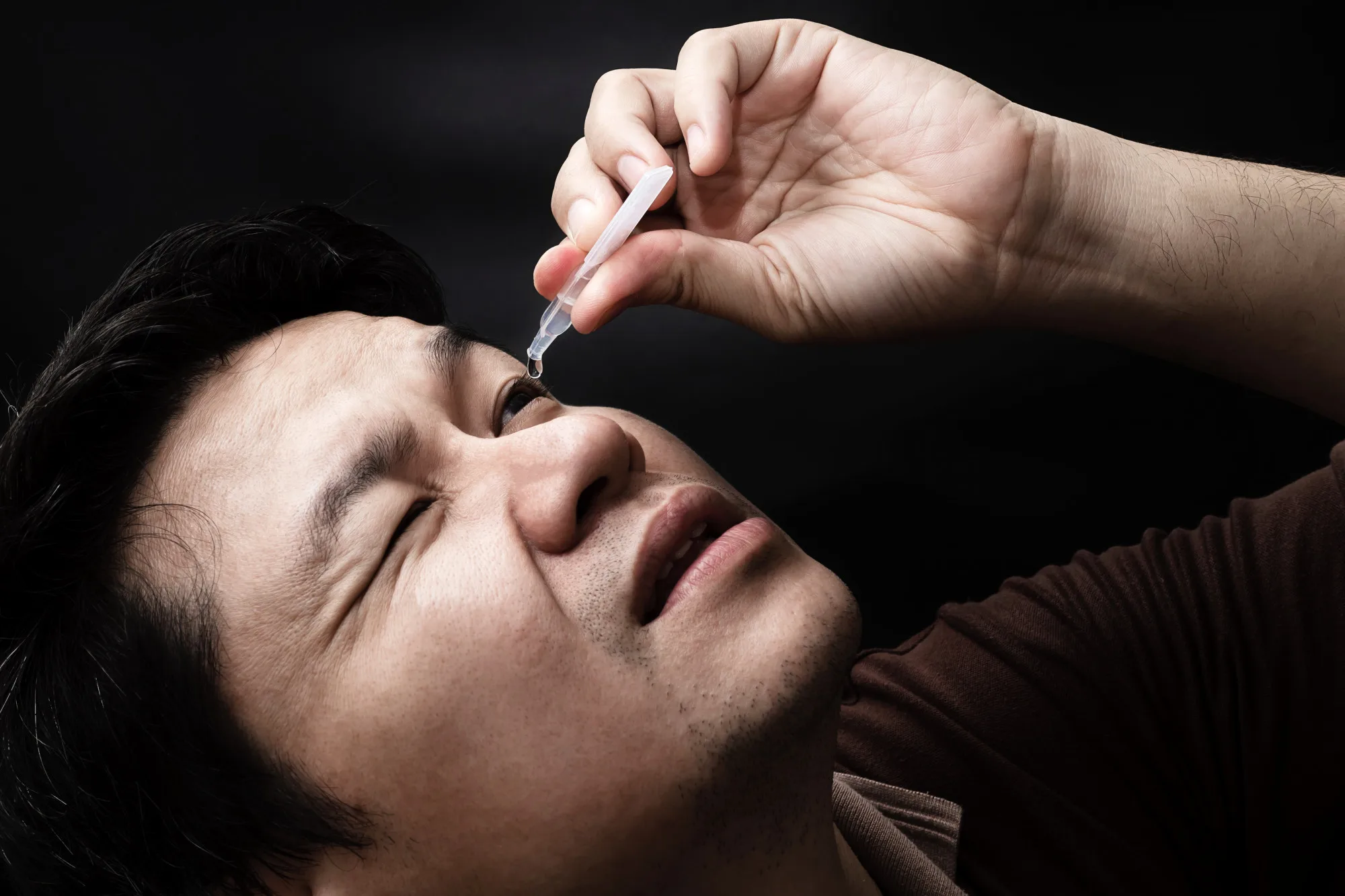
Artificial tears provide temporary symptom relief by supplementing natural tear volume. Preservative-free formulations may be preferred when drops need to be used frequently, particularly for people who are sensitive to preservatives.
Drops may be used as advised by an eye care professional, particularly before and during activities that worsen dryness. Gel-based or ointment formulations offer longer-lasting lubrication and may be useful at night for some individuals .
Lifestyle and Environmental Adjustments
Increasing indoor humidity with humidifiers may help counteract dry indoor environments. Positioning fans and air vents away from the face reduces direct airflow across the eyes.
Following the 20-20-20 rule during screen use (every 20 minutes, look at something 20 feet away for 20 seconds) can help reduce digital eye strain. Making a conscious effort to blink fully and regularly during screen use may also help maintain the tear film. Staying hydrated and maintaining a balanced diet can support overall eye health, although evidence for omega-3 supplementation as a treatment for dry eye remains mixed.
Wearing wraparound sunglasses outdoors protects against wind and particulate exposure. Taking breaks from contact lenses or discussing alternative lens types or wearing schedules with an eye care professional may also reduce symptoms.
Prescription Medications
For moderate to severe cases, anti-inflammatory eye drops may be prescribed to reduce ocular surface inflammation and help manage dry eye disease. These medications typically require consistent use over weeks to months for optimal effect.
Prescription anti-inflammatory treatments, such as topical cyclosporine, may be considered depending on the individual’s condition and clinical assessment. Prescription treatments should be used under professional guidance to monitor effectiveness and manage potential side effects.
In-Office Procedures
Punctal plugs are tiny devices inserted into tear ducts to slow drainage, allowing tears to remain on the eye surface longer. This minimally invasive procedure may provide relief for selected individuals, particularly those with aqueous-deficient dry eye.
Intense pulsed light (IPL) therapy and meibomian gland expression target evaporative dry eye associated with meibomian gland dysfunction by helping improve meibomian gland function and tear film quality. These treatments may benefit selected individuals with meibomian gland dysfunction.
LipiFlow and similar thermal pulsation devices apply controlled heat and pressure to help clear obstructed meibomian glands and improve gland function. Advanced procedures may be considered when appropriate based on the underlying cause, severity and response to other treatments.
When to See an Eye Specialist
Persistent symptoms despite over-the-counter lubricating drops warrant professional evaluation. Sudden vision changes, severe pain or discharge require prompt attention to rule out infection or other complications.
Individuals with systemic conditions such as rheumatoid arthritis, Sjögren’s syndrome or diabetes may have an increased risk of ocular surface problems and should discuss appropriate eye examination intervals with their healthcare provider. Contact lens wearers experiencing persistent discomfort should also seek assessment.
Comprehensive eye exams evaluate tear production, tear film stability and ocular surface health. Specialised tests such as tear breakup time measurement or meibography may help identify contributing factors, guiding targeted treatment plans.
Early intervention can help manage symptoms and reduce the risk of complications associated with more severe dry eye disease, preserving comfort and visual function.

Living Comfortably with Dry Eyes
Managing dry eye syndrome may require ongoing attention to triggers and consistent use of recommended treatments. Incorporating protective habits into daily routines may help reduce symptom frequency and severity.
Maintaining regular follow-up appointments ensures treatment effectiveness and allows adjustments as symptoms evolve. Combining multiple strategies, such as lubricating drops, environmental modifications and professional interventions, may provide better symptom control depending on the underlying cause.
Staying informed about new treatment options and understanding personal symptom patterns empowers individuals to maintain long-term eye comfort and quality of life.
If you are experiencing persistent dry eye symptoms, professional evaluation can identify the underlying cause and guide effective treatment.
Dr. Anson Teh Yeong Han, Consultant Ophthalmologist, provides assessment and care for patients experiencing dry eye symptoms and other eye conditions. A comprehensive evaluation can help identify contributing factors, including tear film instability or meibomian gland dysfunction, so that appropriate management options can be recommended based on the individual’s eye condition and needs.
Ongoing assessment and appropriate management can help patients better understand their dry eye condition and support more consistent symptom control over time .