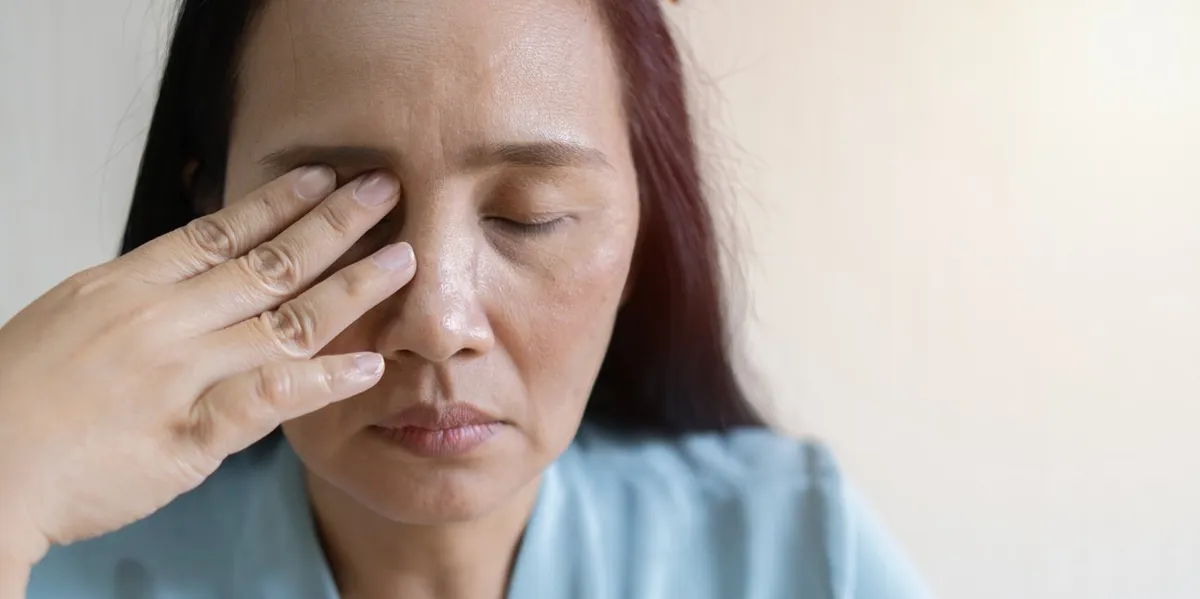
Presbyopia is the age-related near vision changes that typically begins in your 40s or 50s. It occurs because the lens inside the eye gradually loses flexibility, making it harder to focus on close objects. While presbyopia cannot be completely prevented, research and clinical experience suggest that certain habits, lifestyle choices, and environmental adjustments can slow its progression or reduce early symptoms. Understanding these strategies helps you maintain clear near vision for longer and minimize daily challenges.
Why Presbyopia Develops
The common signs of Presbyopia presbyopia is the gradual hardening of the eye’s lens, which reduces its ability to change shape and focus on nearby objects. Additionally, the ciliary muscles, responsible for adjusting the lens, weaken over time. These changes are natural and occur in virtually all adults, but several factors influence the onset and progression of presbyopia:
- Age: Usually starts in the early 40s.
- Genetics: Family history may determine how early or late presbyopia appears.
- Chronic eye strain: Extended near-work without breaks can accelerate fatigue and worsen symptoms.
- Medical conditions: Diabetes, cardiovascular disease, and certain medications can affect eye flexibility.
Lifestyle Habits That May Slow Presbyopia
Although presbyopia cannot be fully prevented, adopting healthy eye habits may delay its functional impact.
1. Reduce Near-Eye Strain
- Take regular breaks from reading, smartphones, tablets, or computer work using the 20-20-20 rule: every 20 minutes, look at something 20 feet away for 20 seconds.
- Avoid prolonged squinting and ensure proper lighting during near tasks.
- Alternate between near and far tasks to relax the focusing muscles.
2. Protect Your Eyes From UV Light
- Ultraviolet light can accelerate lens aging.
- Wear sunglasses with 100% UVA and UVB protection when outdoors.
- Consider wide-brimmed hats to reduce exposure.
3. Maintain Overall Eye Health
- Nutrition: Include leafy greens, carrots, sweet potatoes, eggs, and fatty fish to supply antioxidants and vitamin A.
- Hydration: Proper hydration keeps eye tissues flexible.
- Exercise: Regular aerobic and strength training improves blood circulation, which supports lens health.
4. Manage Chronic Conditions
- Diabetes, high blood pressure, and cardiovascular issues can affect eye health and lens flexibility.
- Proper management reduces risk of secondary vision complications.
5. Correct Vision Early
- Address refractive errors (myopia, hyperopia) with glasses or contact lenses.
- Early correction reduces unnecessary strain and may delay functional symptoms of presbyopia.
Cross-link: For details on corrective options, see Non-Surgical Treatments for Presbyopia
Exercises and Eye Habits: Evidence-Based Guidance
Some adults attempt eye exercises to maintain near-focus ability. Evidence shows:
- Accommodative exercises may temporarily reduce eye fatigue.
- They cannot prevent the natural lens stiffening, but can improve comfort during near tasks.
- Combining exercises with breaks, lighting adjustments, and corrective lenses is more effective than exercises alone.
Examples of safe eye exercises:
- Focus shifting: Alternate between focusing on near objects (20–30 cm away) and distant objects.
- Palming: Cover closed eyes with your palms for a few minutes to relax eye muscles.
- Blinking exercises: Conscious blinking reduces dryness from extended screen use.
Cross-link: For more on exercises and lifestyle strategies, see Exercises and Lifestyle Habits for Managing Presbyopia
Environmental Adjustments That Help Delay Symptoms
The way you arrange your surroundings can significantly affect how quickly presbyopia symptoms appear.
- Workstation Ergonomics: Position monitors 20–28 inches from your eyes, with the top slightly below eye level. Use document holders for reading materials.
- Lighting: Bright, evenly distributed light reduces the effort needed for near vision. Avoid glare from windows or overhead lights.
- Text and Display Adjustments: Increase font size, contrast, or zoom on devices. For printed materials, large-print editions or magnifying tools can help.
Real-life example:
An office worker using a laptop noticed that increasing text size, adjusting screen distance, and taking regular breaks reduced eye fatigue, delaying noticeable presbyopia discomfort by several months.
Common Myths About Preventing Presbyopia
- “Reading in dim light causes presbyopia.”
- Dim light does not cause presbyopia but can increase temporary eye strain.
- “Eye exercises prevent presbyopia.”
- Exercises may improve comfort and reduce fatigue but cannot stop the age-related lens stiffening.
- “Supplements alone can prevent presbyopia.”
- While a nutrient-rich diet supports overall eye health, no supplement can fully prevent presbyopia.
Recognizing Early Presbyopia
Early recognition allows for habit adjustments and corrective solutions. Signs include:
- Holding reading materials farther away to see clearly
- Difficulty reading small print even in good light
- Eye fatigue or headaches during near work
- Trouble focusing when shifting between near and far objects
Cross-link: For a detailed guide to early symptoms, see Common Early Signs of Presbyopia
Conclusion
Presbyopia is a natural part of aging that cannot be fully prevented, but the onset and functional impact can be delayed with practical strategies:
- Reduce eye strain with breaks and proper focus habits
- Protect eyes from UV light
- Maintain a nutrient-rich diet and stay hydrated
- Manage chronic health conditions
- Use appropriate corrective lenses early
- Apply ergonomic and environmental adjustments
- Incorporate safe eye exercises to reduce fatigue
By integrating these habits, adults can maintain comfortable near vision longer, reduce eye strain, and preserve eye health over time. Early recognition and proactive management make presbyopia more manageable as it progresses.