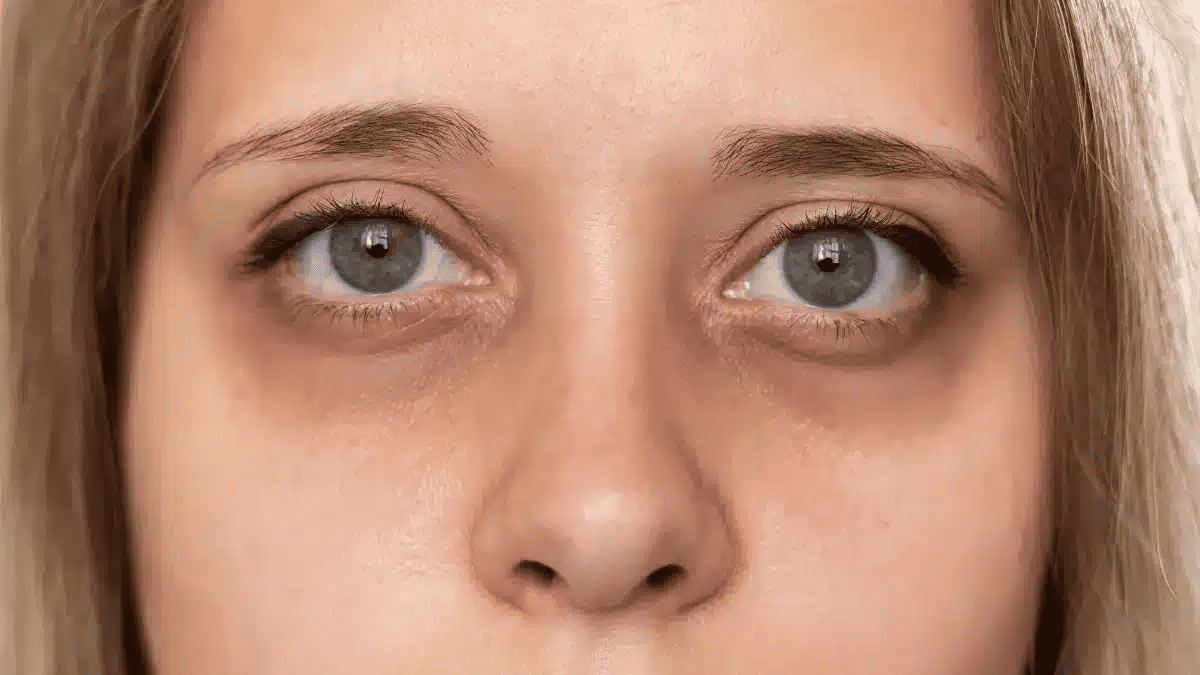
Presbyopia gradually affects near vision gradually as the eye’s natural lens loses flexibility with age. Corrective eyewear is one of the most common and effective ways to manage these changes. Reading glasses, bifocals, and progressive lenses are the primary optical solutions for restoring near and intermediate vision. Each option serves different visual needs, lifestyles, and stages of presbyopia. Choosing the right lens ensures comfortable and functional near vision as presbyopia progresses.
Why Glasses Are the Most Common Solution
Eyeglasses remain the most widely used non-surgical treatment for presbyopia because they are:
- Highly customizable
- Easy to update as vision changes
- Suitable for a wide range of activities
- Non-invasive and low risk
The correct lens type depends on how often near tasks are performed, whether distance correction is needed, and how frequently the wearer switches between near and far vision.
Reading Glasses
What Reading Glasses Are
Reading glasses are single-vision lenses designed exclusively for near tasks. They magnify close objects, allowing the eyes to focus comfortably on text and small details.
Who They Are Best For
- Adults with clear distance vision
- Early-stage presbyopia
- Occasional near tasks such as reading menus, books, or labels
Reading glasses are often the first solution for adults noticing difficulty focusing on close objects, a common early sign of presbyopia.
Advantages
- Simple and affordable
- No adaptation period
- Widely available in prescription and non-prescription forms
Limitations
- Must be removed for distance vision
- Not suitable for multitasking between near and far tasks
- Easy to misplace or forget
Reading glasses are effective for intermittent near tasks but become less practical as presbyopia advances and visual demands increase.
Bifocal Glasses
How Bifocals Work
Bifocal lenses contain two distinct optical zones:
- Upper portion: distance vision
- Lower segment: near vision
The separation between zones is visible as a line on the lens, providing a clear division between distance and near focus.
Who Benefits Most From Bifocals
- Adults who require correction for both near and distance vision
- People who prefer a clearly defined transition between viewing distances
Bifocals eliminate the need to switch between separate glasses for near and distance vision, but users must position their eyes carefully to look through the appropriate lens segment for each task.
Pros
- Reliable correction for both near and distance vision
- Simple and straightforward lens design
- Minimal visual distortion
Cons
- Visible line between lens zones
- No correction for intermediate distance
- Abrupt transitions may feel unnatural for some users
Bifocals are effective for clear near and distance vision but may be less convenient for tasks requiring intermediate focus, such as prolonged computer use.
Progressive Lenses
What They Are
Progressive lenses provide a smooth, gradual transition between distance, intermediate, and near vision within a single lens. Unlike bifocals, they have no visible lines, offering a seamless appearance.
How They Support Daily Activities
Progressives allow seamless focus changes, making them suitable for:
- Reading
- Computer use
- Driving
- Walking and multitasking
They are often recommended when presbyopia begins to affect multiple daily activities.
Advantages
- Corrects all distances with one pair
- Provide natural visual flow
- More aesthetically appealing than bifocals.
Challenges
- Requires a short adaptation period
- May cause peripheral distortion initially
- Higher cost than single-vision lenses
Progressive lenses are preferred by adults seeking versatile, long-term visual correction for near, intermediate, and distance tasks.
Intermediate Vision and Computer Use
A key difference between lens types is how they handle intermediate distances, which is particularly relevant for adults who spend long hours on screens.
- Reading glasses: Limited or poor intermediate vision
- Bifocals: No dedicated intermediate zone
- Progressives: Include a smooth intermediate corridor
For office workers and frequent device users, progressives or task-specific glasses often provide superior comfort and reduced eye strain.
Customising Lens Choice
Eye care professionals consider several factors when recommending lenses:
- Occupation and daily tasks
- Duration of screen use
- Reading habits
- Lighting environments
- Existing refractive errors
Understanding presbyopia and its effects on near vision helps align expectations and ensures satisfaction with corrective eyewear.
Adapting to New Lenses
Adaptation depends on lens type:
- Reading glasses: Immediate adjustment
- Bifocals: Short learning curve
- Progressives: May take days to weeks
Consistent wear and proper fitting are especially important for progressive lenses to achieve optimal comfort and visual clarity.
Updating Prescriptions Over Time
Presbyopia typically progresses until the early 60s, after which near vision stabilizes. Regular eye exams ensure:
- Accurate prescriptions updates
- Adjustments to lens power
- Early detection of other age-related eye conditions
Most adults require prescription updates every 1–2 years during active presbyopia progression.
Choosing the Right Option
No single lens type works for everyone.
- Reading glasses: Ideal for occasional near tasks
- Bifocals:Simple dual correction for distance and near
- Progressives:Comprehensive solution for varied daily demands
Selection depends on lifestyle, visual needs, and comfort preferences not presbyopia severity alone.
Conclusion
Reading glasses, bifocals, and progressive lenses each serve a distinct role in managing presbyopia. Understanding their differences allows adults to choose eyewear that supports reading, work, and daily activities comfortably. With proper selection and regular eye exams, corrective lenses remain a reliable and effective way to maintain clear near and intermediate vision over time.