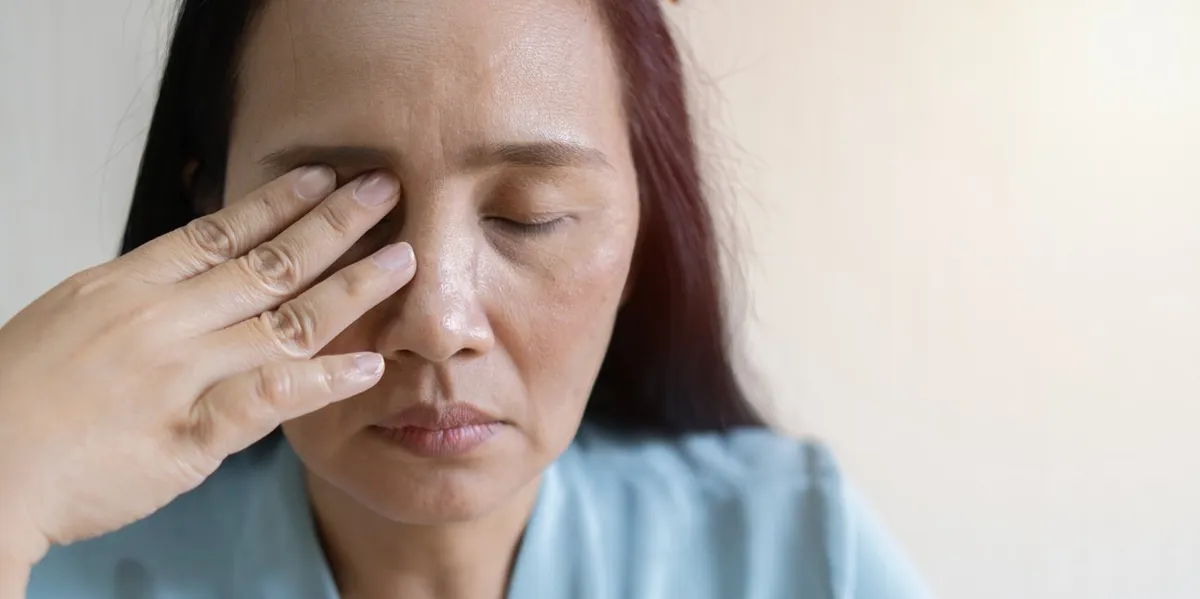
Presbyopia is a natural, age-related condition in which the lens of the eye gradually loses flexibility, reducing the ability to focus on near objects. Typically beginning in the early to mid-40s, presbyopia progresses gradually over 10–15 years, often continuing to change until approximately 60–65 years of age, eventually reaching a phase where vision changes slow. Understanding how presbyopia develops allows adults to adapt daily tasks, choose the right corrective solutions, and maintain visual comfort. These strategies are part of a comprehensive approach to managing presbyopia effectively.
Early Onset of Presbyopia
Presbyopia often starts subtly:
- Difficulty reading small print, menus, labels, or instructions
- Eye fatigue or mild strain after short periods of close work
- Occasional headaches or blurred near vision
Recognizing these early signs enables adults to implement measures that reduce strain, such as magnification tools, better lighting, or reading glasses. Early adjustments also help maintain performance in hobbies and daily activities.
Gradual Progression Over Time
Presbyopia typically progresses in stages over several years:
- Early Stage: Minor difficulty with near vision; temporary strain when reading or using devices
- Moderate Stage: Increased reliance on reading glasses or multifocal lenses; near work requires more effort and stronger prescriptions
- Advanced Stage: Strong dependence on optical aids; eye fatigue may increase with prolonged near tasks
The progression rate varies between individuals, influenced by genetics, lifestyle demands, and overall ocular health. Most individuals require periodic prescription updates during this progression phase. Understanding this helps individuals prepare with appropriate optical solutions and lifestyle adaptations.
Impact on Daily Life
As presbyopia advances, near vision challenges affect daily routines:
- Small-print reading in books, instructions, or labels becomes harder
- Hobbies requiring precision, such as crafting, sewing, or digital tasks, become more difficult
- Lighting adjustments and ergonomic setups may become necessary to maintain comfort
- Consistent use of corrective lenses, including reading glasses or multifocal contacts, becomes essential
Planning and adopting strategies early allows adults to maintain independence, productivity, and confidence in daily tasks.
Updating Optical Solutions
Managing presbyopia requires updating optical solutions as vision changes:
- Reading Glasses: Adjust strength incrementally to compensate for near-vision decline
- Bifocals or Progressive Lenses: Accommodate both near and distance vision needs in a single pair of spectacles
- Contact Lenses: Monovision or multifocal lenses offer flexible vision correction
- Surgical Options: Procedures such as LASIK, refractive lens exchange, or corneal inlays may be considered for eligible individuals
Regular comprehensive eye examinations ensure that these solutions remain effective as presbyopia progresses and help rule out other age-related eye conditions.
Lifestyle Adjustments for Comfort
Even with optical correction, lifestyle habits support eye comfort:
- Lighting: Adequate task lighting reduces eye strain during reading or hobbies
- Ergonomics: Proper posture, device height, and screen distance minimize fatigue
- Breaks: Follow the 20-20-20 rule to rest focusing muscles
- Task Adjustments: Use magnification tools or larger print for detailed work
These strategies help maintain productivity and reduce strain as presbyopia develops.
Monitoring Vision Changes
Consistent self-monitoring is important:
- Note changes in near and distance vision to update corrective lenses promptly
- Adjust workspace, lighting, and device use to match evolving needs
- Track optical prescription changes for reading glasses or contacts
- Maintain regular consultations with eye care professionals
Persistent, rapidly worsening, or asymmetric vision changes should be evaluated promptly to exclude other ocular conditions.
Early detection of additional eye conditions ensures continued visual health and comfort.
Transition to Stabilization
Presbyopia eventually slows, entering a stabilization phase, usually in the late 50s to early 60s:
- Near-vision changes become minimal, and lens rigidity reaches its functional limit
- Optical prescriptions tend to stabilize, reducing the need for frequent updates
- Maintaining lighting, ergonomic setups, and task adjustments remains important, particularly during the phase of stabilization of presbyopia
Planning for this stage allows adults to maintain independence and long-term visual comfort.
Digital Device Use
Near work with devices requires ongoing strategies:
- Adjust text size and contrast for comfortable viewing
- Maintain proper screen distance (approximately 40–70 cm for computers and 40–45 cm for handheld devices)
- Use anti-glare screens and adjust brightness to reduce strain
- Combine digital adjustments with optical aids and appropriate lighting for sustained comfort
Even during stabilization, device use demands attention to prevent digital eye strain.
Long-Term Planning
- Keep corrective aids available for different near-vision tasks
- Optimize lighting and workspace ergonomics for reading and hobbies
- Maintain healthy habits, including balanced nutrition, hydration, and regular physical activity
- Educate family members or caregivers about visual requirements to ensure safety
Preparing for both progression and stabilization phases supports independence and functional vision throughout aging.
Conclusion
Understanding how presbyopia progresses and eventually stabilizes enables adults to make informed decisions about optical correction, daily task adjustments, and lifestyle strategies. Updating lenses, adapting hobbies, and maintaining ergonomics ensures continued comfort and productivity. When managed proactively and monitored regularly, presbyopia can be effectively controlled with high satisfaction rates. These measures form a comprehensive approach to managing presbyopia effectively, supporting long-term visual clarity, independence, and quality of life.