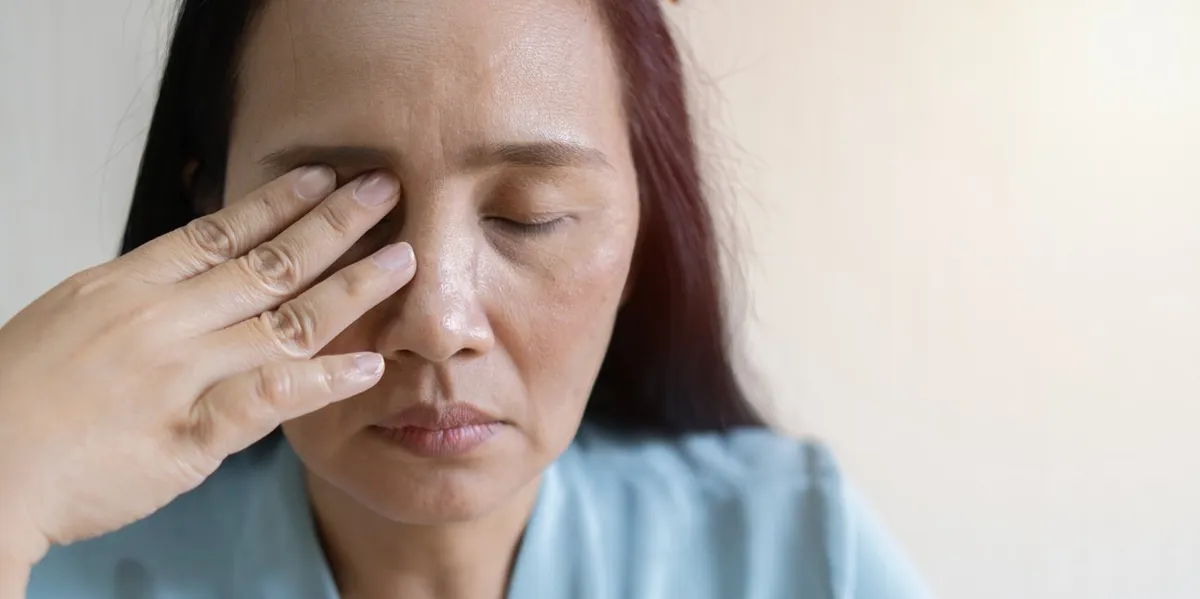
As adults age, the eyes undergo natural structural and functional changes that can affect both near and distance vision. Presbyopia, cataracts, and other age-related conditions become increasingly common, making proactive eye care essential. Preserving eye health helps reduce discomfort, maintain functional vision, and support daily activities. A comprehensive approach to eye care forms a key part of managing presbyopia effectively.
Understanding Age-Related Vision Changes
Aging affects the eyes in multiple ways, including:
- Presbyopia: Reduced flexibility of the crystalline lens, making near vision progressively blurry
- Cataracts: Clouding of the lens that impairs clarity and may increase glare or light sensitivity
- Glaucoma: Damage to the optic nerve, often associated with elevated intraocular pressure
- Age-related macular degeneration (AMD): Degeneration of the macula causing central vision distortion or loss, affecting reading and detail work
- Dry eye syndrome: Reduced tear production or tear film instability causing irritation, fluctuating vision and discomfort
Recognizing these changes allows individuals to adopt habits and interventions that preserve visual function, particularly for daily near-vision tasks. Presbyopia typically progresses gradually until approximately 60–65 years of age, making periodic prescription updates necessary.
Importance of Regular Eye Examinations
Routine eye exams are crucial for detecting changes early and monitoring eye health:
- Adults over 40 should schedule comprehensive eye exams every 1–2 years
- Exams should include assessments for presbyopia, cataracts, glaucoma, retinal health, and overall ocular health
- Early detection allows timely intervention, whether through can presbyopia be prevented or delayed?, corrective lenses, or other appropriate measures
Regular eye evaluations help maintain functional vision and reduce the risk of complications that could impact quality of life. Any sudden, asymmetric, or rapidly worsening vision changes should be evaluated promptly to exclude other ocular conditions.
Nutrition and Eye Health
A nutrient-rich diet supports long-term visual function and reduces the risk of age-related eye conditions:
- Antioxidants such as vitamins C, E, and beta-carotene protect ocular tissues from oxidative stress
- Omega-3 fatty acids support retinal health and tear production
- Lutein and zeaxanthin help protect the macula and support contrast sensitivity
- Adequate hydration supports tear film stability and reduces dry eye symptoms
Proper nutrition works alongside corrective lenses and non-surgical strategies to maintain visual comfort and performance.
Protecting Eyes From Environmental Stressors
Eyes are vulnerable to environmental factors that can accelerate aging or worsen presbyopia symptoms:
- UV protection: Sunglasses with 100% UV filtration prevent lens and retinal damage
- Screen glare and blue light mitigation: Reduce strain from digital devices
- Pollution and smoke avoidance: Minimize irritation and dry eye risk
- Protective eyewear: Use during activities with a risk of injury or dust exposure
Reducing environmental stressors helps maintain eye comfort and supports overall ocular health.
Adapting Daily Activities for Visual Comfort
Presbyopia and other age-related changes can make reading, hobbies, and daily tasks more challenging. Adapting these activities can help preserve comfort:
- Increase ambient and task lighting for reading, crafting, or fine-detail work
- Use magnification tools or larger print for books, labels, or instructions reading difficulties and presbyopia)
- Maintain proper working distance from devices and printed materials to reduce accommodative strain
- Take regular breaks using the 20-20-20 rule to relax eye muscles
These adjustments ensure that daily activities remain manageable and enjoyable despite declining near vision.
Integrating Optical Solutions
Corrective lenses and other visual aids are essential for maintaining near and distance vision:
- Reading glasses, bifocals, and progressive lenses provide clarity for near and intermediate tasks
- Contact lenses for presbyopia offer flexible near and distance correction
- Prescriptions should be updated periodically to maintain optimal clarity and reduce strain
Combining optical solutions with ergonomic and environmental adjustments ensures functional vision across different tasks.
Lifestyle Habits to Support Eye Health
Lifestyle choices play a significant role in long-term visual health:
- Exercise improves blood flow, supporting ocular function
- Avoid smoking, which increases the risk of cataracts and macular degeneration
- Manage chronic conditions such as diabetes and hypertension to prevent vision-related complications
- Adequate sleep reduces eye fatigue and supports tissue repair
Incorporating healthy habits enhances the effectiveness of optical and non-surgical interventions for presbyopia.
Monitoring Vision Over Time
- Track changes in near and distance vision regularly
- Adjust optical correction and lenses as needed
- Reassess lighting, posture, and task setups to accommodate vision changes
- Maintain regular communication with ophthalmologists or optometrists to address emerging issues
Proactive monitoring allows adults to maintain independence, reduce discomfort, and adapt daily activities as vision changes progress.
Integrating Technology and Visual Aids
Digital devices are essential in daily life, but they can strain near vision in presbyopia:
- Increase text size and contrast on smartphones, tablets, and computers
- Maintain devices at comfortable distances (40–70 cm for computers, 40–45 cm for handheld devices)
- Adjust brightness appropriately and use anti-glare screens to reduce strain
- Combine device adjustments with optical correction such as multifocal lenses presbyopia vs myopia and hyperopia: key differences)
Integrating technology adaptation with lenses and task adjustments supports sustained comfort during prolonged near work.
Conclusion
Maintaining eye health while aging requires a multifaceted strategy, including regular exams, proper nutrition, environmental protection, ergonomic adjustments, optical correction, and healthy lifestyle habits. Adjusting daily tasks, reading habits, and digital device use reduces strain and supports functional vision.
These measures, integrated with lenses, non-surgical aids, and preventive strategies, form a comprehensive approach to managing presbyopia effectively, ensuring long-term comfort, clarity, and independence.