Dry, irritated, or watery eyes are common symptoms that many people experience, especially after prolonged screen use or exposure to dust, pollen or environmental triggers. However, these symptoms are not always caused by the same condition. In many cases, people may wonder whether they are dealing with dry eye disease or an eye allergy.
Because the two conditions share several symptoms, they have different underlying causes and management approaches.
This article explains the difference between dry eye disease and eye allergy, what symptoms may overlap, which clues may help patients recognise the pattern, and why the correct cause matters for management.
Why Dry Eye and Eye Allergy Can Feel Similar
Dry eye and eye allergy can both irritate the surface of the eye, which is why patients may experience redness, watering, burning, or general discomfort in both conditions.
In dry eye disease, the tear film does not protect the eye surface properly due to reduced tear production, increased tear evaporation or instability of tear film. In eye allergy, the immune system reacts to a trigger and causes irritation. Because both conditions can lead to watering and redness, the key is often the overall symptom pattern.
The Main Difference: Itching Is More Suggestive of Allergy
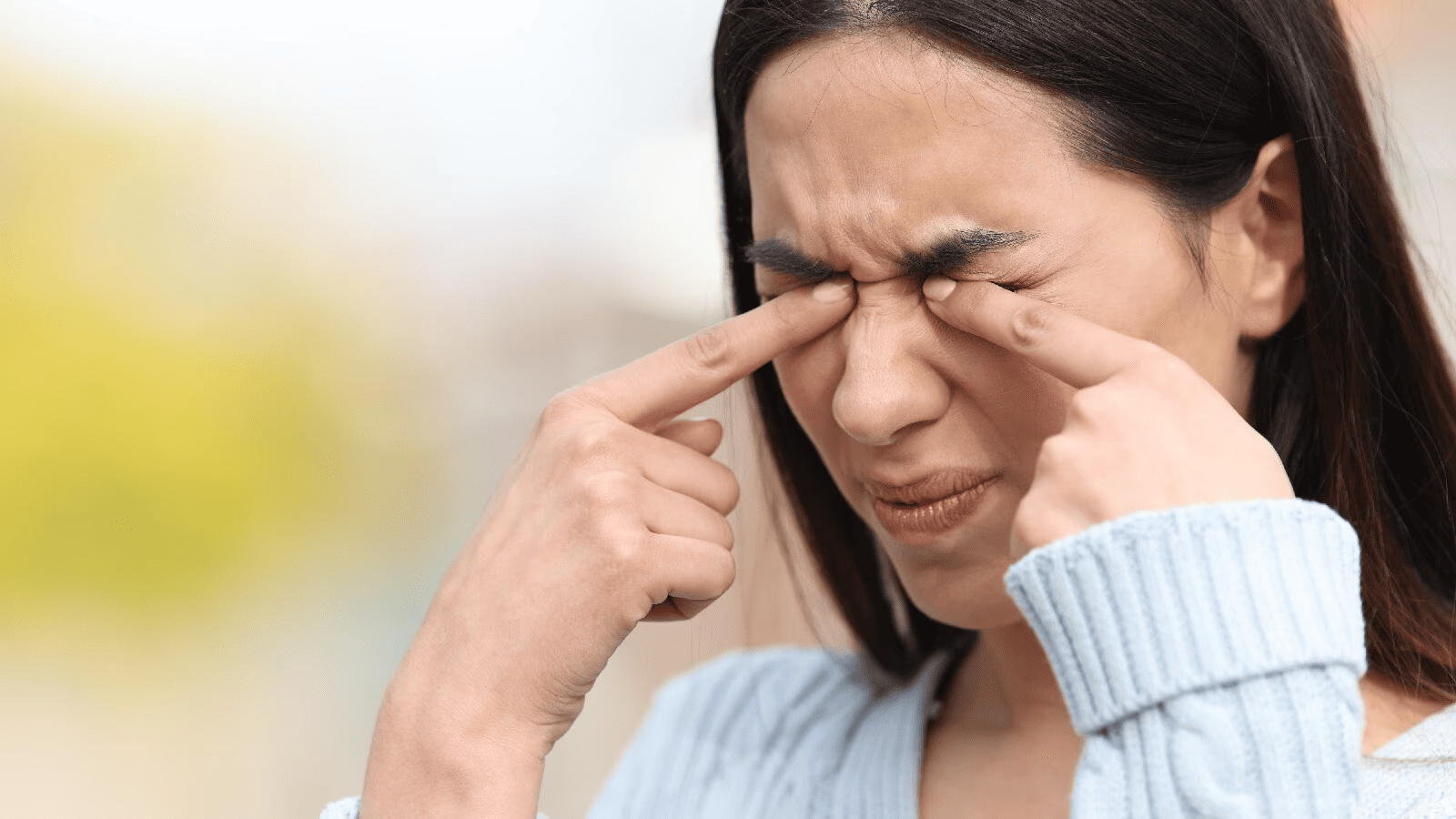
One of the clearest clues is itching. While dry eye can sometimes cause mild itchiness, strong or persistent itching is more commonly linked with eye allergy.
Patients with eye allergy may feel an urge to rub their eyes. The itch may be more noticeable after exposure to dust, pollen, pets, mould, or certain environments. Eye allergy may also occur together with sneezing, runny nose, or other allergy symptoms.
Dry eye, on the other hand, is more commonly described as dryness, burning, stinging, grittiness, or tired eyes. Some patients say it feels like sand or dust is in the eye, even when nothing is there.
Feature | Dry Eye Disease | Eye Allergy |
Main cause | Tear film instability, reduced tear production, or faster tear evaporation | Reaction to allergens such as dust, pollen, pet dander, or mould |
Common feeling | Dryness, burning, stinging, grittiness, eye fatigue | Itching, watering, redness, swelling |
Tearing pattern | May happen as reflex tearing from irritation | Often watery and linked with itchiness |
Vision changes | May fluctuate and improve briefly after blinking | Usually stable unless swelling or tearing is significant |
Common triggers | Screen use, air-conditioning, wind, contact lenses, ageing | Dust, pollen, pets, mould, seasonal or indoor allergens |
Symptom timing | May worsen later in the day or during screen use | May worsen after allergen exposure |
When Symptoms Point More Toward Dry Eye Disease
Dry eye disease is more likely when symptoms are linked to tear film stress. Patients may notice discomfort after long screen use, reading, driving, contact lens wear, or time spent in air-conditioned rooms.
A common pattern is vision that becomes blurry after focusing for some time, then clears briefly after blinking. Symptoms may also become more noticeable later in the day, especially after prolonged visual tasks or environmental exposure.
When Symptoms Point More Toward Eye Allergy
Eye allergy is more likely when itching is the main symptom, especially after exposure to a known trigger such as dust, pets, pollen, or mould.
Patients may also notice watery eyes, redness, or swelling around the eyelids together with itchiness. In this pattern, rubbing the eyes may feel tempting, but it can worsen irritation and make redness more noticeable.
Can You Have Both Dry Eye and Eye Allergy?
Yes. Dry eye disease and eye allergy can occur at the same time, which is one reason symptoms may feel confusing.
A patient with dry eye may already have an unstable tear film, and allergy can add further irritation to the eye surface. Rubbing may worsen tear film disruption, while some allergy medications may also contribute to dryness.
This overlap matters because treating only one part of the problem may not fully relieve symptoms. Lubricating drops may help dryness, while allergy treatment may be needed to control itching and irritation.
Why the Correct Cause Matters
Dry eye disease and eye allergy may require different management approaches.
For dry eye, management may focus on:
| For eye allergy, management may focus on:
|
Because the causes are different, using the wrong type of drops may not help much. Some redness-relief drops, for example, may temporarily reduce redness but may not address dry eye or allergy properly.
What Patients Can Observe
Patients can better understand their symptoms by noticing the pattern. This can make it easier to describe the problem during an eye check.
Helpful questions include:
Is itching the main symptom, or is it more burning and grittiness?
Do symptoms become worse after screen use or air-conditioning?
Do symptoms become worse after exposure to dust, pets, pollen, or mould?
Does vision clear briefly after blinking?
Are the eyes swollen, watery, or very itchy?
Do symptoms happen seasonally or all year round?
If symptoms feel more like tiredness, grittiness, and fluctuating vision, dry eye may be more likely. If itching, swelling, and allergen exposure are more obvious, allergy may be more likely.
How Eye Fatigue Can Add to the Confusion
Eye fatigue can overlap with both dry eye and allergy. A patient may feel tired eyes after screen use, but also experience watering or redness from allergy. This can make the symptoms feel mixed.
In dry eye disease, eye fatigue may happen because the tear film becomes unstable during prolonged visual focus. The eyes may need more effort to maintain clear vision. In allergy, irritation and rubbing may make the eyes feel heavy or uncomfortable.
This is why the relationship between dry eye disease and eye fatigue is useful to understand, especially for patients who spend long hours reading, studying, or working on screens.
Conclusion
Dry eye disease and eye allergy can produce similar symptoms, though they affect the eyes in different ways. Dry eye is more closely linked to tear film instability and burning discomfort, while allergy is more strongly associated with itching and immune-related irritation.
Recognising the differences between these conditions can help patients better understand their symptoms and seek more appropriate management when needed.
Although patients may recognise certain symptom patterns, dry eye disease and eye allergy can sometimes occur together or have similar features. A comprehensive eye assessment can help identify the underlying cause and guide appropriate management. Eye doctors such as Dr. Paul Lim Chern Pin, Consultant Ophthalmologist, may assess the ocular surface, tear film, eyelid health, and other contributing factors to determine whether symptoms are more consistent with dry eye disease, eye allergy, or a combination of both, before recommending suitable treatment based on the underlying cause.