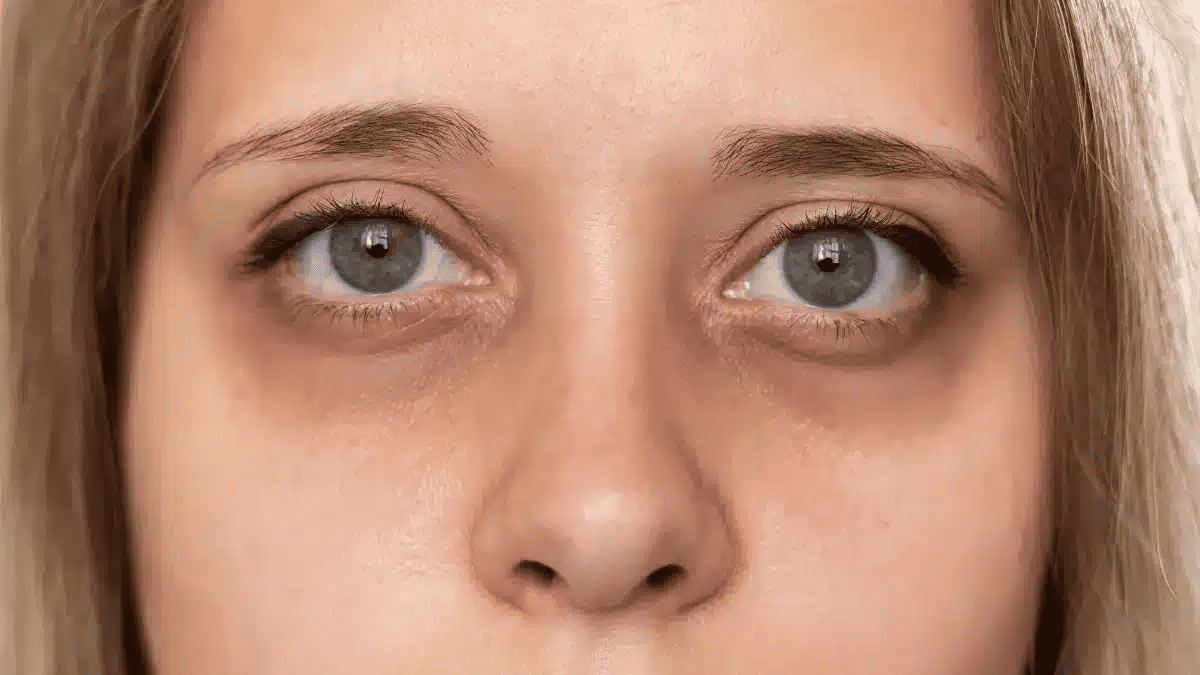
Tired, uncomfortable eyes are a common complaint, especially after long hours of reading, computer work, or screen use. Some people describe this as eye fatigue, while others experience symptoms related to dry eye disease. Because both conditions can cause discomfort, blurred vision, and visual strain, they are often confused with one another.
In reality, eye fatigue and dry eye disease are closely connected. In many cases, dry eye can contribute to eye fatigue, while prolonged visual tasks that cause fatigue may also worsen tear film instability.
This article explains why dry eye disease and eye fatigue may overlap, how tear film instability can affect comfort and vision, and what patients can observe when symptoms appear during daily activities.
What Is Eye Fatigue?
Eye fatigue, sometimes called eye strain, refers to tiredness or discomfort after prolonged visual effort. It is commonly linked to activities that require the eyes to focus for extended periods, such as:
Computer or phone use
Reading for long periods
Studying
Driving long distances
Working in poor lighting
Focusing on small text
Exposure to glare or bright light
Eye fatigue can also become more noticeable when factors such as dry air, screen use, or underlying eye surface problems are present.
Why Dry Eye Can Make the Eyes Feel Tired
Dry eye disease can make the eyes feel tired because the tear film is unable to keep the surface of the eye consistently lubricated. When the tear film breaks up too quickly, the eyes may need to blink more often or work harder to maintain clear vision.
Patients may describe this as:
Heaviness around the eyes
Difficulty focusing for long periods
Blurry vision that improves after blinking
Discomfort after reading or screen use
A tired feeling that worsens later in the day
This can happen because the tear film is part of the eye’s optical surface. When it is unstable, vision may fluctuate. The eyes may then feel strained because clear vision is harder to maintain.
Why Eye Fatigue Can Worsen Dry Eye Symptoms
Eye fatigue and dry eye can influence each other. During long periods of screen use or reading, blinking tends to decrease, so the tear film is not refreshed as often.
Over time, this can leave the eye surface drier and more irritated. This is why some patients experience both tired eyes and dry eye symptoms after a full day of visual tasks.
Dry Eye Disease vs Eye Fatigue
Dry eye and eye fatigue may feel similar, but the underlying pattern can be different.
Feature | Dry Eye Disease | Eye Fatigue |
Main issue | Tear film instability or poor lubrication | Prolonged visual effort |
Common feeling | Burning, grittiness, dryness, watery eyes | Tiredness, heaviness, difficulty focusing |
Vision pattern | May blur and clear briefly after blinking | May feel strained after long focus |
Common triggers | Air-conditioning, wind, screen use, contact lens wear | Reading, screen use, driving, poor lighting |
Relief pattern | May improve with blinking or lubricating drops | May improve with rest, breaks, or lighting changes |

The Role of Screens in Both Conditions
Digital screen use is one of the strongest shared triggers. It can cause eye fatigue because the eyes are focused at a fixed distance for long periods. It can also worsen dry eyes because blinking decreases during screen use.
Screen-related overlap may be more noticeable when:
Screen use continues for several hours without breaks
The room is air-conditioned
The screen is too bright or too dim
Text is small or difficult to read
Contact lenses are worn during long screen sessions
For some patients, eye fatigue is the first symptom they notice with dryness, grittiness, or fluctuating vision may appear later.
Environmental Exposure Can Add to the Problem
The environment can make both dry eye and eye fatigue worse, especially during prolonged visual tasks. Common contributing factors include:
Air-conditioning or direct fan airflow
Dry indoor air
Wind exposure
Glare or overly bright lighting
Long hours of screen use
For example, a patient may work on a computer in an air-conditioned room for many hours. Reduced blinking and increased tear evaporation can then make the eyes feel tired, dry, and visually unstable.
This is why environmental factors should be considered together with screen habits, lighting, and blink patterns.
Why Red Eyes May or May Not Appear
Some patients expect tired or dry eyes to look red, but redness is not always present. A person may still have significant discomfort even when the eyes appear fairly normal.
At the same time, redness can occur when the eye surface is irritated, and it may also be seen with allergy, infection, contact lens irritation, or environmental exposure. This is why redness alone is not enough to identify the cause.
For many patients, the overall symptom pattern matters more than redness by itself.
Practical Ways to Reduce Overlapping Symptoms
Small adjustments may help reduce both eye fatigue and dry eye symptoms, especially when the symptoms are linked to screen use or daily visual tasks.
Patients may consider:
Taking regular short breaks during screen use
Blinking fully and consciously while focusing
Adjusting screen brightness and text size
Keeping the screen slightly below eye level
Reducing direct airflow from fans or air-conditioning
Using lubricating eye drops as advised
Checking whether glasses or contact lenses are suitable for prolonged screen use
Improving lighting to reduce glare and squinting
The 20-20-20 rule may also be useful for some patients. This means looking at something about 20 feet away for 20 seconds every 20 minutes. It helps reduce continuous near focus and may remind patients to blink more regularly.
Persistent eye fatigue may not always be caused by prolonged screen use alone. When symptoms continue despite regular breaks, blinking exercises, or environmental adjustments, a comprehensive eye assessment may help determine whether dry eye disease, meibomian gland dysfunction, refractive problems, or other ocular surface conditions are contributing to the discomfort.
Eye doctors such as Dr. Vienne Tai Pih Yih, Consultant Ophthalmologist, may evaluate the tear film, ocular surface, eyelid health, and other possible causes of persistent eye fatigue to recommend management based on the underlying condition.
Conclusion
Dry eye disease and eye fatigue often overlap because both involve stress on the ocular surface and visual system. Tear film instability can make the eyes work harder during visual tasks, while prolonged screen use and concentration may worsen dryness at the same time.
Understanding this connection can help patients recognise why symptoms develop and what steps may support better long-term eye comfort.