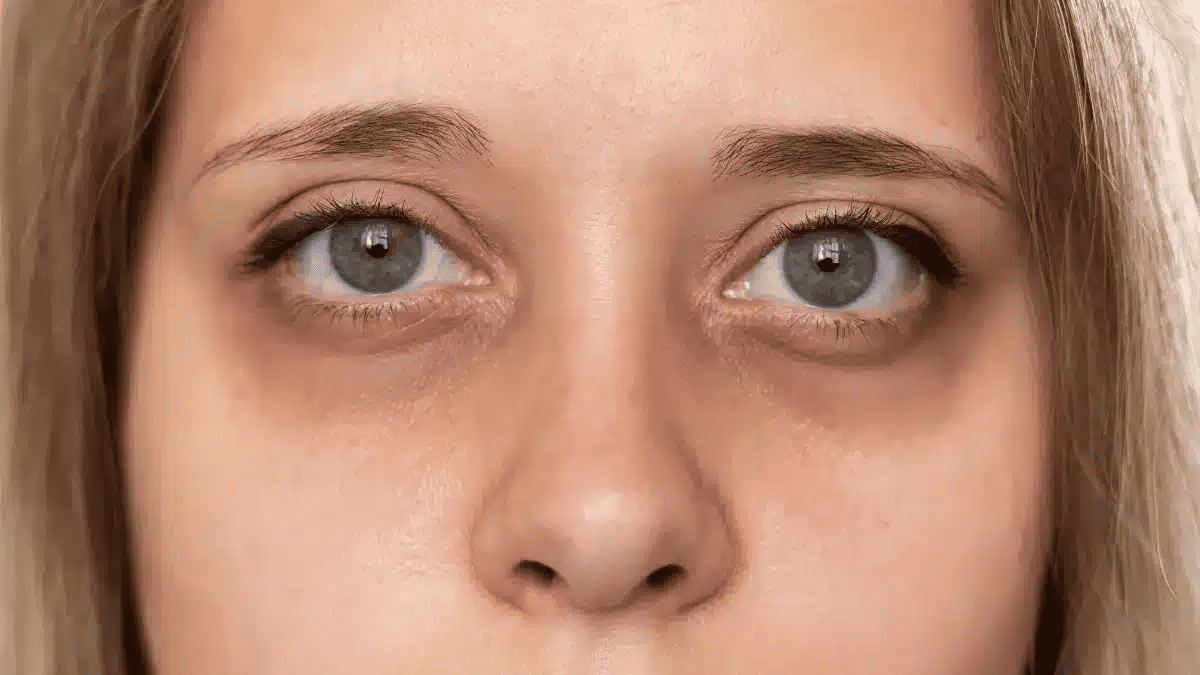
Dry eye symptoms are not always caused only by screen use, ageing, or environmental factors alone. In some cases, certain medications may also affect the tear film and contribute to dryness, irritation, or fluctuating vision. Because these changes can develop gradually, many people may not immediately realise that medication use could be playing a role.
This does not mean people should stop prescribed medications on their own. Instead, understanding the possible connection can help patients recognise why symptoms may develop and when professional assessment may be helpful.
This article explains how some medications may contribute to dry eye symptoms, which medication groups are commonly associated with dryness, and why patients should review symptoms safely with their healthcare provider instead of stopping medication on their own.
How Medications May Affect the Eyes
Some medications may contribute to dry eye disease by affecting the normal balance of the tear film, making it more difficult for the eyes to stay moist and comfortable. This can make symptoms more noticeable, especially in patients who already have underlying dryness.
Medications may contribute by:
Reducing tear production
Changing tear composition
Increasing ocular surface dryness
Affecting oil gland function
Worsening symptoms in patients who already have dry eye disease
This is one reason medication history can be important when symptoms are persistent or seem to worsen over time.
Medication-Related Dry Eye Is Usually Multifactorial
Medication may be one contributing factor, but it is rarely the only factor. A patient may take a medication that reduces tear production, while also working long hours on screens, sitting in air-conditioning, wearing contact lenses, or having meibomian gland dysfunction.
This is why symptoms can vary. One patient may notice mild dryness only at night, while another may experience discomfort throughout the workday. In many cases, medication-related dryness becomes more noticeable when other triggers are also present.
Other factors that commonly contribute include prolonged screen use, air-conditioning or direct airflow, ageing-related tear changes, contact lens wear, eyelid inflammation, reduced blinking, and dry indoor environments
Understanding this overlap helps patients avoid assuming that one medication is the only cause without proper review.
Medications Commonly Associated With Dry Eye Symptoms
Different medications can affect the eyes in different ways. Some may reduce tear production, while others may affect the tear film or ocular surface indirectly.
Medication Group | How It May Relate to Dry Eye Symptoms |
Antihistamines | May reduce secretions and contribute to dryness |
Decongestants | May reduce moisture and worsen dryness in some patients |
Antidepressants | Some may reduce tear production or increase dryness |
Blood pressure medications | Some may be associated with reduced tear production |
Hormonal medications | May influence tear film stability and tear production |
Acne medications | Some treatments may affect oil glands or tear quality |
Parkinson’s disease medications | May be associated with reduced tear production |
Long-term medicated eye drops | Preservatives in some drops may worsen irritation in some patients |
Antihistamines and Decongestants
Antihistamines and decongestants are commonly used for allergies, colds, or sinus symptoms, but they may also make the eyes feel drier by reducing tear production.
This can be confusing because allergies themselves may also cause watery or itchy eyes. In some patients, both allergy symptoms and dry eye symptoms may overlap.
Antidepressants and Other Long-Term Medications
Some antidepressants and other long-term medications may contribute to dryness by affecting tear production or related secretions. The effect can vary depending on the medication type, dosage, and the patient’s individual sensitivity.
This does not mean patients should stop these medications because of dry eye symptoms. If symptoms appear after starting or changing a medication, it is usually safer to discuss them with the prescribing doctor and an eye care professional.
Blood Pressure Medications and Systemic Health
Some patients with dry eye symptoms are also taking long-term medication for blood pressure or other chronic health conditions. Certain blood pressure medications have been associated with reduced tear production in some patients. In addition, systemic conditions such as diabetes, thyroid disease, or autoimmune disease may also contribute to tear film instability, leading to dry eye symptoms.
This makes clinical history important. The medication itself may be one factor, but the underlying health condition may also influence the ocular surface.
Hormonal Medications and Dry Eye Symptoms
Hormonal medications, including birth control pills and hormone replacement therapy, may affect dry eye symptoms in some patients. Hormones can influence tear production, tear quality, and meibomian gland function.
For some patients, symptoms may appear during hormonal transitions or after starting hormonal medication. This connects closely with the broader topic of hormonal changes and dry eye disease, especially for patients who notice symptoms around pregnancy, contraceptive use, perimenopause, or menopause.
Acne Medications and Oil Gland Function
Some acne medications may be associated with dry eye symptoms. This is relevant because the tear film partly relies on a healthy oil layer to slow tear evaporation. If oil gland function is affected, dryness and irritation may become more noticeable.
Patients taking acne treatment may notice dryness, irritation, or contact lens discomfort. If this happens, the symptoms should be discussed with the prescribing doctor and an eye care professional, instead of making unsupervised changes to medication.
Can Eye Drops Themselves Worsen Dry Eye?
Some patients use eye drops often to manage redness or irritation, but not all drops are suitable for long-term use. Certain drops, especially those used to reduce redness (vasoconstrictors), may worsen irritation over time or make symptoms rebound.
This does not mean all eye drops are harmful. Many lubricating drops can be helpful when chosen appropriately. For patients who need frequent use, preservative-free options may sometimes be more suitable depending on the symptoms and clinical context.
Why Patients Should Not Stop Medication on Their Own
Medication-related dry eye can usually be discussed and managed safely. Patients should not stop prescribed medication without medical advice, as this may affect other health conditions.
A safer approach is to:
Note when symptoms started
List current medications and supplements
Observe whether symptoms changed after a new medication
Discuss concerns with the prescribing doctor
Have the eyes assessed if symptoms persist
Ask whether dry eye management can be added safely
In many cases, the medication still needs to continue while the dry eye disease is managed.
How Medication-Related Dry Eye May Be Managed
Management depends on the severity of symptoms, the medication involved, and whether other dry eye factors are also present.
Possible approaches may include:
Using lubricating eye drops as advised
Considering preservative-free drops if frequent use is needed
Reducing direct air-conditioning or fan exposure
Taking screen breaks and blinking more consciously
Managing eyelid inflammation or meibomian gland dysfunction
Reviewing contact lens tolerance
Discussing whether alternative medication or treatment options are appropriate with the prescribing doctor when suitable
Conclusion
Certain medications may contribute to dry eye symptoms by affecting tear production, tear quality, or tear film stability. These symptoms often develop gradually and may overlap with other common causes of dry eye disease.
Recognising the possible connection between medications and dry eye symptoms can help patients seek timely assessment. Rather than stopping prescribed medications on their own, patients should discuss persistent symptoms with both their prescribing doctor and an eye care professional to identify the underlying cause and appropriate management.
Dry eye symptoms are not always caused by medication alone. A comprehensive eye assessment can help determine whether medications, meibomian gland dysfunction, tear film instability, or other ocular surface conditions are contributing to the symptoms.
Eye doctors such as Dr. Calvin Lim Chung Yee, Consultant Ophthalmologist, may assess the ocular surface, review contributing factors, and recommend appropriate management based on each patient’s individual condition.