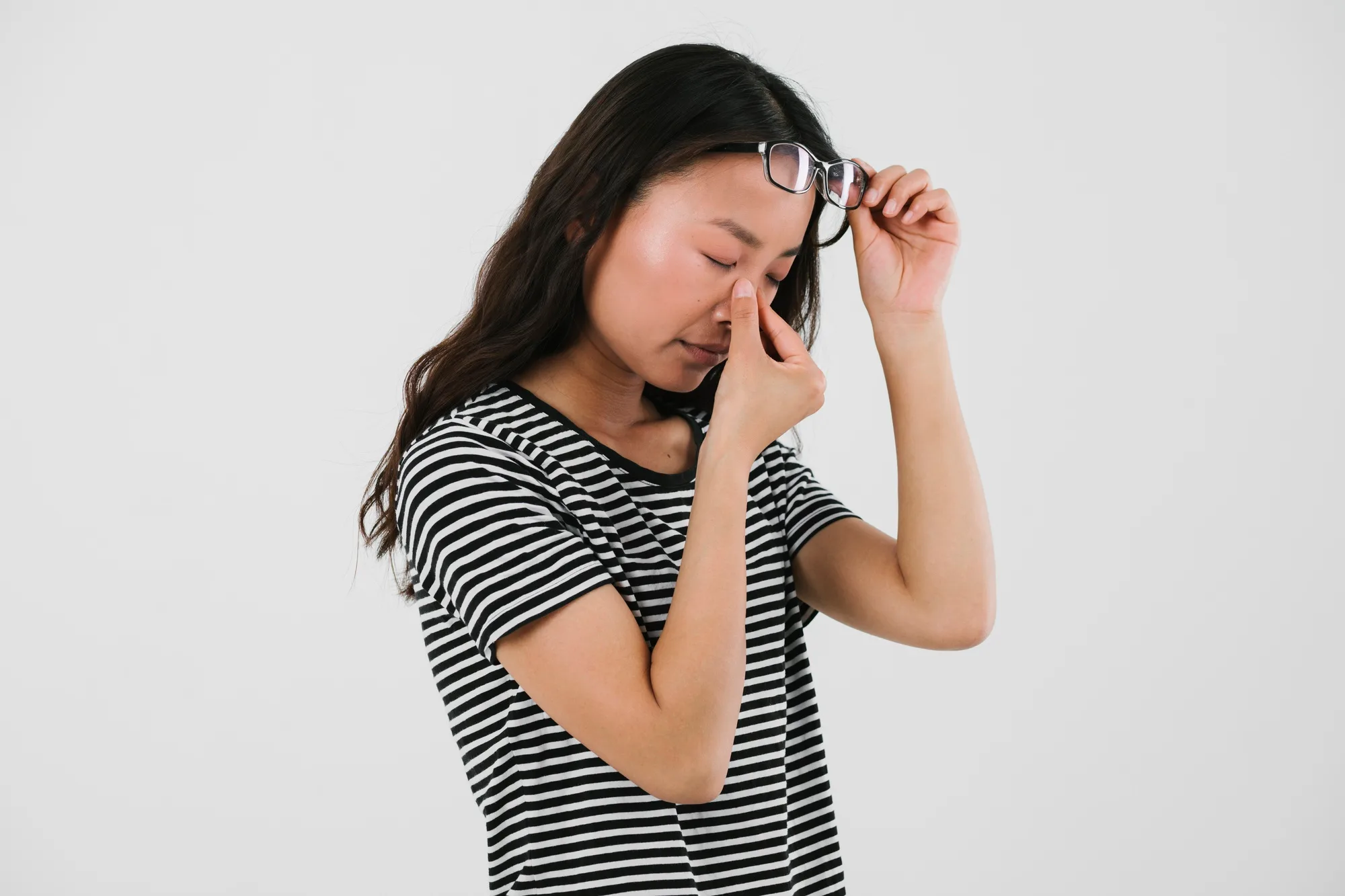
That gritty, burning sensation in your eyes is not just an annoyance. It may be a sign that your tear film is not adequately lubricating and protecting the surface of your eyes.
Dry eyes affect millions of adults worldwide, disrupting daily activities, reducing productivity and causing persistent discomfort. Understanding what triggers this condition helps you take targeted action to restore comfort and protect your long-term eye health.
This guide explores the eight most common causes of dry eyes, explaining how each factor disrupts your tear film and what you can do to address it.
Key Takeaways
- Prolonged screen use can reduce blink frequency and increase incomplete blinking, causing digital eye strain and dryness
- Environmental factors such as air conditioning, low humidity and pollution can accelerate tear evaporation or irritate the ocular surface
- Aging, hormonal changes and certain medications can reduce tear production or alter tear film composition
- Underlying health conditions including autoimmune disorders and meibomian gland dysfunction contribute to chronic dry eye symptoms

Prolonged Screen Time Drains Your Tear Film
Staring at digital devices for hours can reduce your natural blink frequency and increase incomplete blinking, preventing tears from spreading evenly across the eye surface.
When you focus on screens, your blinks may become less frequent or incomplete, leaving the lower portion of the cornea exposed and vulnerable to drying. This incomplete tear coverage leads to irritation, redness and fluctuating vision throughout the day.
Office workers, students and anyone spending extended periods on computers, tablets or smartphones are particularly susceptible. Prolonged screen use may also contribute to digital eye strain, which can occur alongside dry eye symptoms.
To reduce screen-related dryness, follow the 20-20-20 rule: every 20 minutes, look at an object 20 feet away for 20 seconds. Position screens slightly below eye level and maintain a distance of 50-70 cm. Adjust brightness to match ambient lighting and consider using lubricating eye drops during long sessions.
Air Conditioning and Low Humidity Steal Moisture
Air-conditioned environments, common in Malaysian offices, shopping centres and homes, can reduce indoor humidity and increase tear evaporation, accelerating tear evaporation and leaving the ocular surface exposed and unprotected.
Symptoms may worsen after prolonged exposure, with increased discomfort, grittiness or a burning sensation after several hours in air-conditioned spaces.
Position Yourself Away from Direct Airflow
Sitting or working directly under an air conditioning vent, fan or car vent accelerates tear evaporation. Where possible, adjust your seating or workspace so airflow is not blowing directly across your eyes.
Use a Desk Humidifier
A small humidifier at your desk or workstation may help increase moisture in your immediate environment, countering the drying effect of air conditioning throughout the day.
Blink Consciously and Frequently
Prolonged visual concentration, particularly when using digital devices in air-conditioned spaces, may reduce blink frequency. Making a conscious effort to blink fully and regularly helps redistribute tears evenly across the eye surface.
Apply Preservative-Free Artificial Tears
Using preservative-free artificial tears throughout the day may help relieve dryness and support tear film stability, particularly during long stretches in air-conditioned rooms.
Aging Changes Your Tear Production
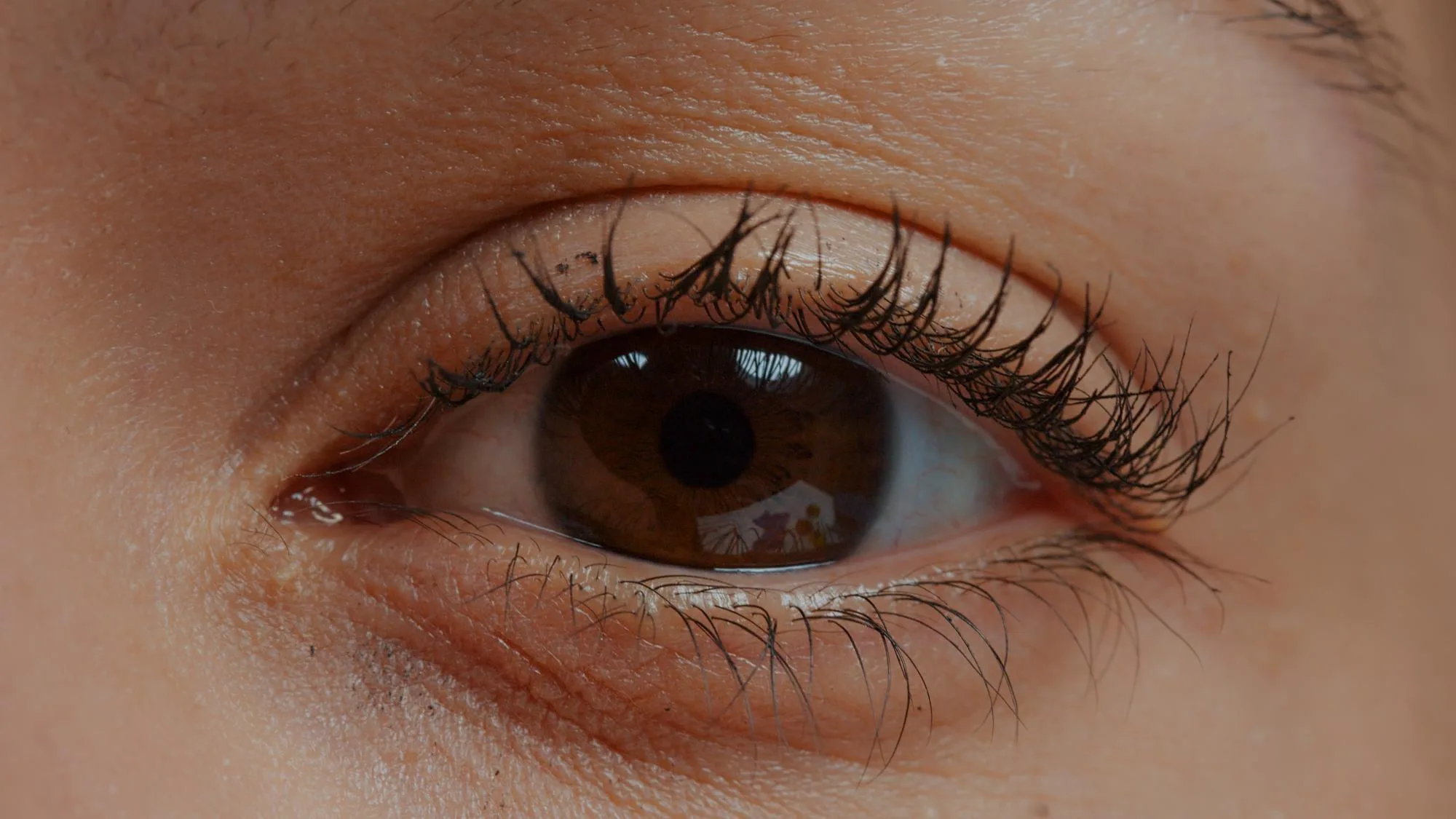
As you age, tear production and tear film function can change, increasing the likelihood of dry eye disease.
Adults over 50 are at greater risk of developing dry eye disease, making it harder to maintain adequate ocular surface lubrication. Hormonal changes, particularly in women during and after menopause, can further reduce tear production and stability.
Age-related dry eye may coexist with other eye conditions, including meibomian gland dysfunction, cataracts or glaucoma. These combined factors can significantly impact daily comfort and visual function.
Regular eye examinations help identify dry eye and other age-related eye changes. Your eye care professional may recommend preservative-free lubricating drops, warm compresses or other interventions to support tear film health as you age.
Contact Lenses Disrupt Natural Lubrication
Contact lenses can alter the normal tear film and ocular surface environment, contributing to dryness and discomfort in some wearers.
Extended wear, poor lens hygiene or wearing lenses beyond their recommended replacement schedule can contribute to discomfort and increase the risk of contact lens-related complications. Some lens materials are more prone to drying than others, particularly older or lower-quality designs.
Contact lens-related dry eye often presents as end-of-day discomfort, redness or or increasing lens awareness. Vision may become blurry or unstable as the tear film becomes less stable.
Daily disposable lenses may be suitable for some people experiencing contact lens-related discomfort, but the most appropriate lens type depends on the individual eye and lens fit. Use contact lens-compatible lubricating drops if recommended by your eye care professional. Limit wearing time and remove lenses immediately if discomfort persists. Consider discussing alternative lens materials or wearing schedules with your optometrist.
Medications Can Dry Out Your Eyes
Many common medications can contribute to dry eye symptoms by reducing tear production or affecting tear film and ocular surface function.
- Antihistamines, decongestants and antidepressants
- Certain blood pressure medications, including beta-blockers and diuretics
- Some hormonal therapies such as oral contraceptives
- Isotretinoin and certain other medications used for acne
These drugs may interfere with tear production or ocular surface function. Symptoms often develop gradually, making the connection to a new medication easy to miss.
Do not stop or change prescribed medication without consulting the healthcare professional who prescribed it. If dry eye symptoms develop after starting a medication, discuss the symptoms with your doctor or eye care professional
Autoimmune Conditions Attack Tear Glands
Autoimmune disorders such as Sjögren’s syndrome, rheumatoid arthritis, and lupus can be associated with dry eye disease. Thyroid disorders, particularly thyroid eye disease, may also affect the tear film and ocular surface.
In conditions such as Sjögren’s syndrome, inflammation can affect the lacrimal glands and reduce tear secretion. This leads to chronic inflammation and reduced tear volume, often causing:
- Intense burning and grittiness
- Redness and light sensitivity
- Other symptoms such as joint pain, fatigue or dry mouth, depending on the underlying condition
If you have or suspect an autoimmune condition, assessment may involve both an eye care professional and the appropriate medical specialist. Treatment depends on the underlying cause and severity of the dry eye and may include lubricating treatments, prescription anti-inflammatory eye drops, punctal occlusion or management of the underlying systemic condition.
Environmental Pollutants Irritate the Ocular Surface
Exposure to smoke, dust, pollen and air pollution can irritate the ocular surface and contribute to tear film instability and dry eye symptoms.
Urban environments with high traffic density, construction sites or areas with poor air quality may increase exposure to ocular irritants. Cigarette smoke, whether firsthand or secondhand, can negatively affect tear film stability and irritate the ocular surface.
Symptoms may worsen during periods of poor air quality or after exposure to airborne irritants. You may experience redness, watering (as the eye attempts to flush out irritants), stinging or a gritty sensation.
Wear wraparound sunglasses outdoors to shield your eyes from wind and airborne particles. Avoid smoking and minimise exposure to secondhand smoke. Use air purifiers indoors to reduce dust and allergens. Reducing exposure to dust, smoke and other airborne irritants may help minimize symptoms. Preservative-free artificial tears may also help relieve irritation after environmental exposure.
Protecting Your Eyes Starts with Understanding the Cause
Dry eye disease can often be managed effectively once contributing factors are identified. Identifying the underlying causes of dry eyes allows you to implement targeted strategies that may improve comfort and support ocular surface health.
Whether your symptoms stem from screen time, environmental factors, aging, medications or underlying health conditions, addressing contributing factors can help improve symptoms. Combining lifestyle adjustments, proper eye hygiene and appropriate lubricating treatments supports long-term eye health.
If you experience persistent or worsening dry eye symptoms, schedule an eye examination. A comprehensive assessment can help determine whether your symptoms are related to reduced tear production, excessive tear evaporation, meibomian gland dysfunction or other contributing factors and guide appropriate management.
Dr. Anson Teh Yeong Han, Consultant Ophthalmologist, advises that persistent dry eye symptoms should not simply be ignored, particularly when they begin to interfere with daily activities or vision. A proper eye assessment can help identify contributing factors and determine an appropriate management approach based on the individual’s eye condition.