When a child’s vision improves after amblyopia treatment, many parents feel relieved and hopeful that the difficult part of treatment is finally over. However, even after successful improvement, follow-up care often continues for a period of time. This stage is sometimes referred to as maintenance therapy or maintenance monitoring.
The reason is simple: visual development in children is still ongoing, and in some cases, amblyopia can partially return if treatment is stopped too suddenly or follow-up ends too early. Maintenance strategies help support visual stability while the brain continues adapting to balanced visual input.
This article explains maintenance therapy after successful amblyopia treatment, why follow-up still matters, how treatment is usually reduced, and what families should watch for after the stronger phase of treatment ends.
What Maintenance Therapy Usually Means
In practical terms, maintenance therapy means reducing treatment gradually rather than stopping it suddenly. This may involve:
- Reducing patching time
- Continuing glasses full-time if still needed
- Monitoring the child’s vision at regular follow-up visits
- Checking for any signs that the weaker eye is slipping again
The exact plan depends on how the child was treated, how much improvement occurred, and how stable vision remains.
Why Treatment Is Not Always Stopped Suddenly
One of the key lessons from amblyopia follow-up research is that treatment is not always stopped abruptly once vision improves. Sudden stopping can increase the risk of recurrence, which is why a step-down approach is often used instead. The aim is to give the visual system time to maintain the gains already achieved, instead of removing support too quickly.
Why Recurrence Is Such An Important Issue
Families may assume that once the weaker eye improves, the problem is fully resolved. In some children that may be true in practical terms, but in others the vision can slip again after treatment is reduced or stopped.
This matters because successful treatment is not only about reaching a better vision result once. It is also about whether that improvement remains stable over time.
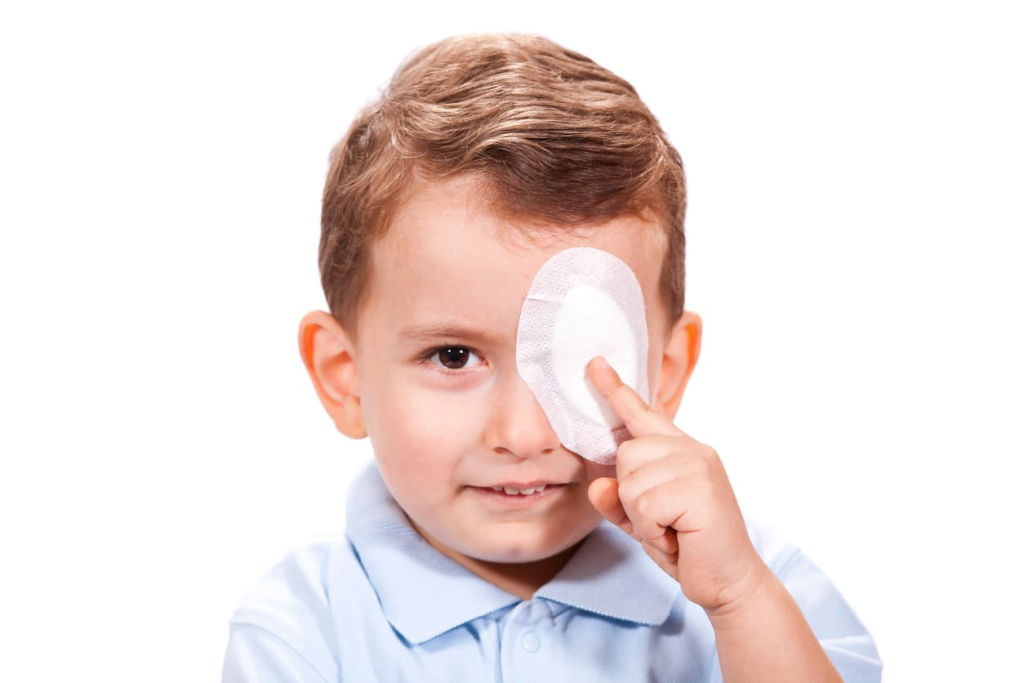
What Maintenance May Look Like After Patching
After successful patching, maintenance often means reducing the patching schedule gradually instead of stopping all at once. A practical maintenance phase may include:
- Reduced daily patching hours
- Continued use of glasses
- Regular follow-up to confirm vision stability
- Quick reassessment if vision begins to worsen again
This is one reason follow-up still matters even when the child seems to be doing well.
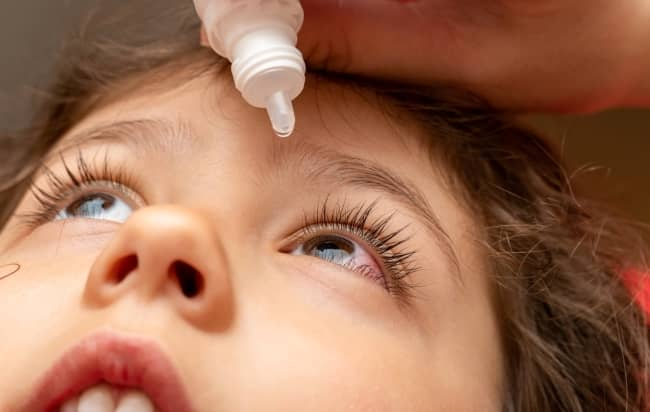
What Maintenance May Look Like After Atropine
After atropine treatment, maintenance is usually less about tapering by hours and more about continued follow-up and observation. The general idea is similar: improvement does not always mean the child is finished with monitoring.
Maintenance after atropine may involve:
- Continuing the current optical correction
- Follow-up visits to confirm vision stability
- Reassessment if parents notice visual getting worse
The Role Of Glasses In Maintenance
For many children, glasses remain an important part of maintenance even after patching or atropine is reduced. If refractive error is still present, continued optical correction is needed to keep visual input as clear and balanced as possible.
So even if patching stops, treatment is not always over. In some cases, the maintenance phase mainly involves glasses plus monitoring.
When Recurrence Is More Likely
Not every child has the same risk of recurrence. Some factors linked to a higher chance of amblyopia returning include:
- Greater improvement during treatment
- Previously higher patching dosage
- Stopping patching suddenly
- Ongoing refractive differences between the eyes
This does not mean the worse vision will always return, but it does mean some children may need closer follow-up and a more careful tapering plan.
Active Treatment Vs Maintenance Phase
| Phase | Main goal | What it may involve |
| Active treatment | Improve vision in the weaker eye | Glasses, patching, atropine, or other therapies |
| Maintenance phase | Keep the improvement stable | Reduced patching, continued glasses, and follow-up monitoring |
| Post-treatment follow-up | Watch for recurrence | Eye checks and early reassessment if vision declines |
This comparison helps show that maintenance is not separate from treatment. It is the later stage of treatment, where the focus shifts from building improvement to keeping it.
What Parents Should Watch For At Home
Even between appointments, parents may notice early clues that vision is not staying as stable as hoped. Signs worth mentioning include:
- The child seeming to rely more on one eye again
- More difficulty with reading or close-up work
- Refusing to wear glasses
- More squinting than before
- A drop in confidence during visual tasks
These signs do not automatically mean recurrence, but they are useful reasons to raise the issue during follow-up. Since many recurrences happen in the first year after treatment stops, families should stay observant during that period.
Why Follow-Up Is Still Part Of Success
Amblyopia treatment is sometimes described as if the goal is simply to finish patching or stop the drops. In reality, the real goal is stable visual improvement over time. This is why follow-up remains part of a successful outcome. Even after treatment is reduced or stopped, monitoring is still important because amblyopia can recur.
Families should not see extra follow-up visits as a sign that something has gone wrong. In many cases, they are simply part of standard good care.
Conclusion
Understanding maintenance therapy after successful amblyopia treatment helps families recognise that visual improvement is often followed by a period of ongoing monitoring and gradual adjustment. Even after vision improves, childhood visual development continues, and some children may still require follow-up to maintain stable outcomes.
Maintenance care plays an important role in protecting visual progress and supporting long-term visual stability during the remaining years of visual development.
Children who have completed amblyopia treatment should continue attending scheduled follow-up appointments to ensure that visual improvement remains stable and to detect any signs of recurrence early. Eye doctors such as Dr. Ng Gim Leong, Senior Consultant Ophthalmologist, monitor visual development after treatment, assess whether patching or atropine therapy can be safely reduced, and provide individualised follow-up plans to support long-term visual outcomes during childhood.