Dry eye disease can affect both men and women, though studies consistently show that it is more common in women. Many women experience symptoms such as dryness, burning, fluctuating vision, or eye fatigue, especially during certain hormonal or life stages.
The reasons are not linked to a single factor alone. Hormonal influences, tear film changes, ageing, lifestyle factors, and environmental exposure can all contribute to why dry eye disease may be more prevalent in women.
This article explains why dry eye disease may be more prevalent in women, how hormonal changes may affect the tear film, and what patients can consider when symptoms become persistent or recurring.
Why Women May Have a Higher Risk of Dry Eye Disease
Dry eye disease happens when the eye surface is not protected and lubricated well enough by the tears. This may occur when tears are insufficient, evaporate too quickly, or become unstable. Symptoms may include dryness, burning, grittiness, watery eyes, or fluctuating vision during reading or screen use.
Studies have shown that dry eye disease becomes more common with age, and that women have a higher prevalence than men, with the difference becoming more noticeable over time.
Several factors may contribute to this pattern:
Hormonal changes that affect tear production and tear quality
Age-related changes in tear production and eyelid oil gland function
Certain medications that may reduce tear production or contribute to dryness
Autoimmune conditions that may affect tear production
Daily triggers such as screen use, air-conditioning, and contact lens wear
The Role of Hormonal Changes
Hormones help regulate several structures involved in maintaining a healthy tear film. They may affect the lacrimal glands that produce the watery part of tears, the meibomian glands that produce the oily layer, and the level of inflammation around the eye surface.
This helps explain why some women notice symptoms during certain life stages, while others develop symptoms more gradually later in adulthood.
Pregnancy, Birth Control, and Menopause
Hormonal changes do not affect every woman in the same way. Some patients may have mild, temporary symptoms, while others may experience recurring or persistent dry eye.
Life Stage or Factor | How It May Relate to Dry Eye Symptoms |
Pregnancy | Hormonal shifts may affect tear production and tear film stability |
Birth control pills | Hormonal influence may contribute to dryness in some patients |
Perimenopause | Fluctuating hormone levels may make symptoms more noticeable |
Menopause | Tear production and meibomian gland function may be affected |
Post-menopause | Age-related tear changes and eyelid gland changes may overlap |
Why Menopause Is Often Linked With Dry Eye
Menopause is one of the life stages most commonly linked to dry eye disease. During this time, hormonal changes may affect tear production, tear film stability, and meibomian gland function.
Some women may notice that their eyes become less tolerant of air-conditioning, prolonged screen use, contact lenses, dry indoor environments, reading for long periods, and windy outdoor settings and gradually become less comfortable.
Vision may also feel less stable during reading or computer work because the tear film is not staying smooth between blinks.
For many patients, it is not a single cause. Age, hormones, eyelid gland function, medications, and daily environment may all contribute.
Tear Film Changes and Meibomian Gland Function
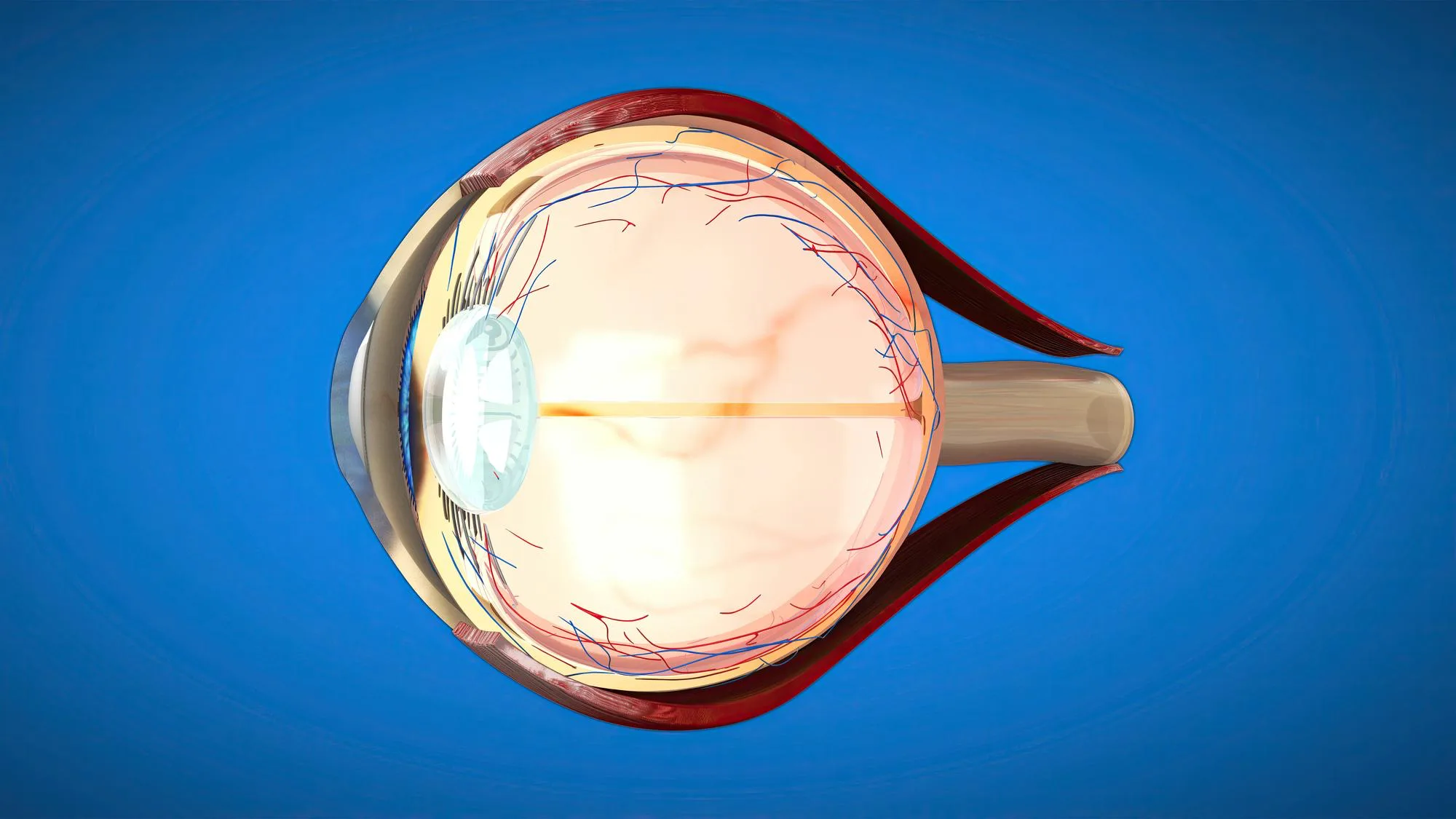
The tear film includes an oily layer, a watery layer, and a mucin layer. Hormonal changes may affect more than one part of this system.
The meibomian glands produce the oily layer, which helps slow tear evaporation. If these glands do not function well, tears may evaporate faster and contribute to evaporative dry eye.
Patients may notice:
Symptoms that worsen in wind or air-conditioning
Burning or grittiness later in the day
Watery eyes caused by irritation
Blurred vision that improves briefly after blinking
Eyelid discomfort or recurring irritation
Medications and Women’s Dry Eye Risk
Some medications may also contribute to dry eye symptoms. This may be worth considering when:
Symptoms begin after starting a new medication
Dryness becomes worse after a dosage change
Several long-term medications are taken together
Lubricating drops provide only short-term relief
Patients should not stop prescribed medication on their own. If symptoms appear after starting or changing medication, the safer step is to discuss the pattern with the prescribing doctor or an eye care professional.
Autoimmune Conditions and Dry Eye in Women
Some autoimmune conditions can affect tear production and eye comfort. This may be especially relevant when dry eye is persistent, recurring, difficult to relieve with basic drops, associated with dryness in other parts of the body, and present despite reducing obvious triggers.
Nutrition, Hydration, and General Tear Support
Nutrition and hydration do not replace medical management, but they may still influence general eye comfort.
Patients may support general tear comfort by paying attention to:
Regular water intake
Balanced nutrition
Adequate sleep
Screen breaks
Airflow control
Contact lens wearing time
Eyelid hygiene when lid margin symptoms are present
Why Symptoms May Feel Different From Person to Person
Two women of the same age may experience dry eye very differently. One may mainly notice dryness and grittiness, another may have watery eyes and fluctuating vision, while another may struggle more with contact lens comfort.
This variation can happen because the underlying causes are not always the same. Possible patterns include:
Reduced tear production causing persistent dryness
Meibomian gland dysfunction causing faster tear evaporation
Hormonal changes affecting tear quality
Medication-related dryness
Autoimmune-related tear gland involvement
Screen-related symptoms from reduced blinking
Environmental symptoms from air-conditioning or wind
This is why dry eye management should be guided by the patient’s symptom pattern, not only by age or sex.
Management Considerations for Women With Dry Eye Symptoms
Management depends on the cause and severity of symptoms. Some patients may improve with simple changes, while others may need more structured dry eye care.
Common management considerations may include:
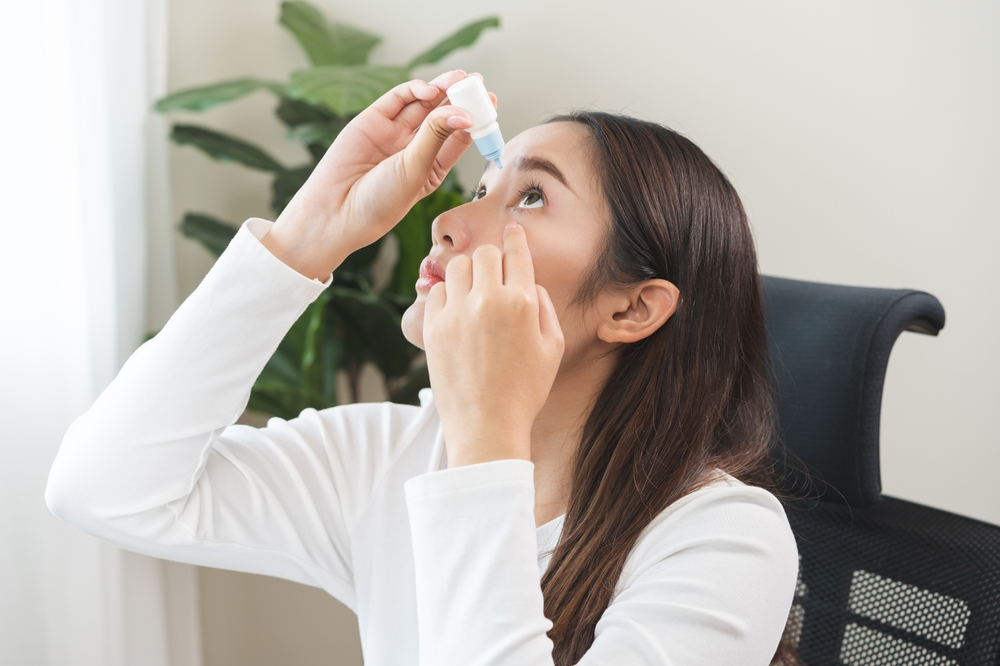
Lubricating eye drops, including preservative-free options when frequent use is needed
Eyelid hygiene or warm compresses if meibomian gland dysfunction is involved
Screen breaks and conscious blinking during long digital work
Reducing direct air-conditioning or fan exposure
Reviewing contact lens tolerance
Discussing medication-related dryness with the relevant doctor
Considering general health factors when symptoms are persistent
Assessing whether symptoms may be linked to hormonal or age-related changes
Treatment should be guided by the underlying mechanism, as tear film stability, eyelid health, environment, and medical history all matter.
Conclusion
Dry eye disease is more common in women because hormonal changes, age-related tear film changes, and other factors can all influence ocular surface health. Hormones may affect both tear production and tear quality, increasing susceptibility to dryness and irritation over time. However, hormonal changes represent only one part of a broader picture that may also include meibomian gland dysfunction, medication use, autoimmune conditions, and environmental or lifestyle factors.
Understanding these contributing factors may help women recognise symptoms earlier and seek appropriate assessment when symptoms become persistent or recurrent.
Persistent dry eye symptoms are not always caused by hormonal changes alone. A comprehensive eye assessment can help determine whether tear film instability, meibomian gland dysfunction, medication use, autoimmune disease, or other ocular surface conditions are contributing to the symptoms.
Eye doctors such as Dr. Goh Yihui, Consultant Ophthalmologist, may assess the ocular surface, identify contributing factors, and recommend appropriate management based on each patient’s individual condition.