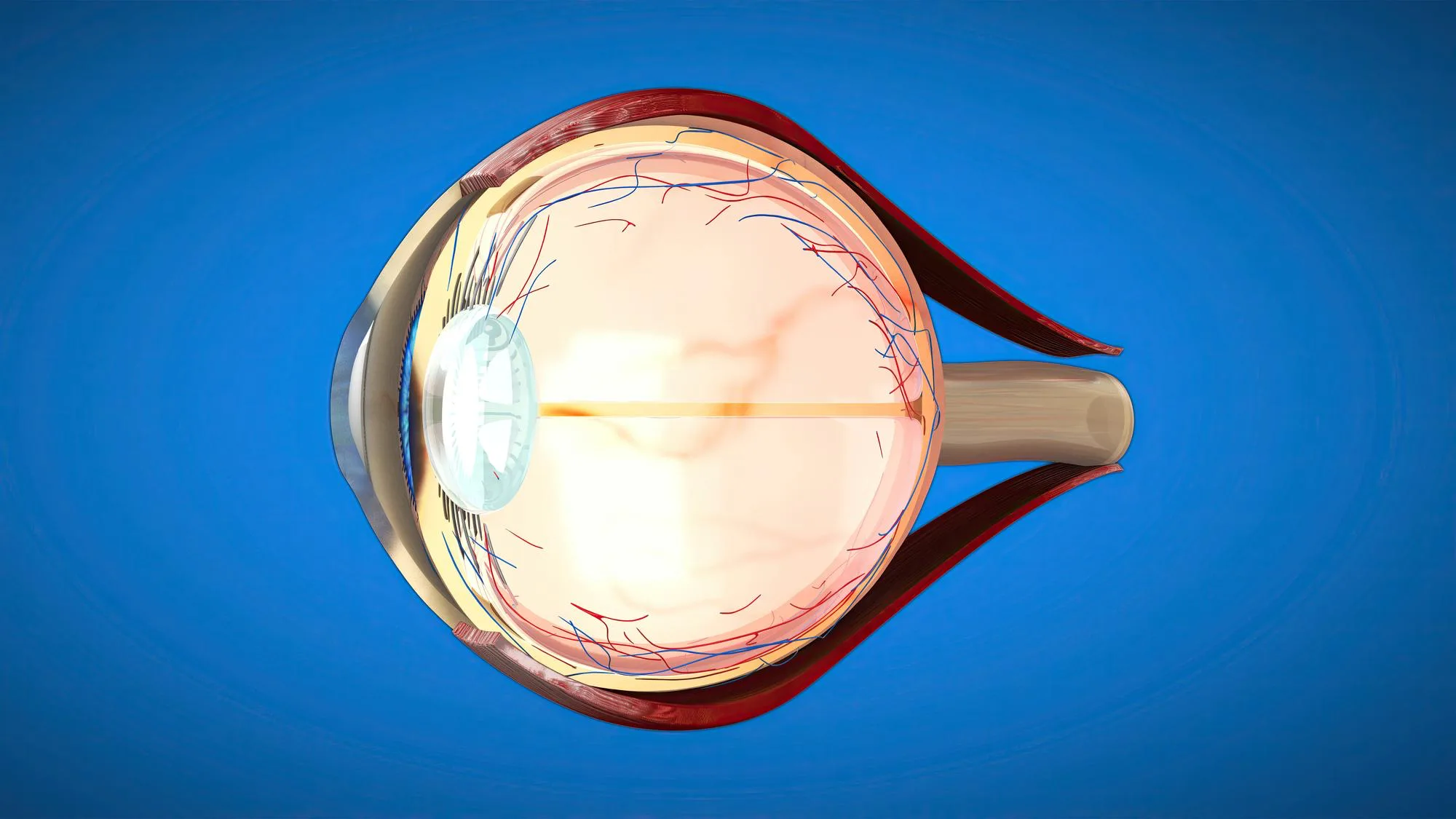
Cataracts cloud the natural lens of your eye, gradually affecting the clarity of everyday moments. Reading may become harder, driving at night can become more stressful, and colours may appear less vibrant.
If you’ve been told you need cataract surgery in Malaysia, you’re likely weighing questions about safety, cost, recovery and whether the procedure can improve your vision.
This guide walks you through what cataract surgery involves, the options available in Malaysia, what to expect during recovery and how to choose a surgeon you can trust.
Key Takeaways
- Cataract surgery removes the clouded lens and replaces it with an artificial intraocular lens (IOL) to improve vision.
- Malaysia offers conventional phacoemulsification and femtosecond laser-assisted cataract surgery, with suitability depending on your individual eye condition and treatment plan.
- Recovery is typically gradual, with many patients returning to light daily normal activities within a few days.
- Choosing an experienced surgeon and understanding your lens options are critical in achieving the best possible visual outcomes
What Happens During Cataract Surgery?
Cataract surgery is a procedure designed to remove the clouded natural lens and replace it with a clear artificial lens, known as an intraocular lens (IOL).
The surgery is typically performed as a day procedure under local anaesthesia, meaning you remain awake while the eye is numbed for the procedure . Sedation may also be offered in some cases to help you stay relaxed.
The surgeon creates a small incision in the cornea, and uses ultrasound energy, or a femtosecond laser for certain surgical steps, to break up the cloudy lens into tiny fragments. These fragments are then gently removed, and the IOL is inserted into the same capsular bag that previously held your natural lens.
The small incision is usually self-sealing and may not require stitches. The procedure itself commonly takes around 15 to 30 minutes per eye, although this can vary depending on the individual case.
Phaco vs Femtosecond Laser: Which Technique Is Right for You?
Two surgical techniques available for cataract surgery in Malaysia are phacoemulsification, often called “phaco”, and femtosecond laser-assisted cataract surgery.
Phacoemulsification
This is a well-established and commonly performed technique. The surgeon manually creates a small corneal incision and uses an ultrasound probe to break up and remove the cataract.
Phacoemulsification is suitable for many cataract patients and can provide good visual outcomes when the eye is otherwise healthy and the procedure is performed appropriately.
Femtosecond Laser-Assisted Cataract Surgery
This advanced technique uses a femtosecond laser to perform several key steps of the surgery, including creating the corneal incision, opening the lens capsule and fragmenting the cataract.
The laser can provide a high degree of precision during specific surgical steps and may reduce the amount of ultrasound energy required in some cases. . It can be particularly beneficial for complex cases or patients seeking premium IOLs.
Your surgeon will assess your individual eye health, cataract condition, corneal measurements, lens choice and visual goals before recommending the most appropriate approach for you. .

Understanding Your Lens Options
The intraocular lens you choose plays a major role in your post-surgery vision. IOLs come in several types, each designed to address different visual needs.
Monofocal IOLs
These lenses provide clear vision at one fixed distance, typically set for far vision. Patients who choose distance-focused monofocal lenses will usually still need reading glasses for near tasks.
Monofocal IOLs are the most commonly used and are often covered or subsidised under certain insurance plans or government schemes.
Multifocal and Extended Depth of Focus (EDOF) IOLs
These premium lenses are designed to provide clear vision at multiple distances, reducing or eliminating the need for glasses after surgery.
Multifocal IOLs split light into different focal points, while EDOF lenses extend the range of clear vision. Both can significantly enhance quality of life, particularly for patients who want greater independence from spectacles.
Toric IOLs
Toric lenses are designed to correct astigmatism, a common refractive error caused by an irregularly shaped cornea.
If you have significant astigmatism, a toric IOL can improve your distance vision without glasses. Toric versions are available in both monofocal and multifocal designs.
Discuss your lifestyle, visual priorities and budget with your surgeon to determine which lens type aligns best with your needs.
What Does Cataract Surgery Cost in Malaysia?
The cost of cataract surgery in Malaysia varies depending on the surgical technique, type of intraocular lens, surgeon’s experience and the facility where the procedure is performed.
Basic phacoemulsification with a monofocal IOLmay cost several thousand ringgit per eye in private clinics and specialist centres. Femtosecond laser-assisted surgery and premium IOLs (multifocal, EDOF or toric) will generally increase the total cost.
Government hospitals and certain subsidised programmes may offer cataract surgery at significantly lower fees, though waiting times can be longer.
Many private health insurance plans and medical card policies may cover cataract surgery, particularly when it is deemed medically necessary. Check your policy details and discuss payment options with your chosen clinic.
Preparing for Your Surgery Day
Your surgeon will provide specific pre-operative instructions, but general preparation typically includes the following steps.
You’ll undergo a comprehensive eye examination and measurements to determine the appropriate IOL power. This may involve tests such as optical biometry and corneal topography.
You may be asked to stop certain medications, such as blood thinners, a few days before surgery. Always follow your surgeon’s guidance and inform them of all medications and supplements you are taking.
On the day of surgery, arrange for someone to drive you home, as your vision will be temporarily blurred and you may feel drowsy from sedation.
Wear comfortable clothing and avoid wearing makeup, perfume or jewellery to the clinic.

Recovery: What to Expect in the Days and Weeks After
Most patients notice improved vision within the first 24 to 48 hours, though it may take several days for vision to stabilise fully.
You’ll be prescribed antibiotic and anti-inflammatory eye drops to prevent infection and reduce inflammation. Use them exactly as directed.
Mild discomfort, light sensitivity and a gritty sensation are normal in the first few days. Avoid rubbing your eye, and wear the protective shield provided, especially while sleeping.
Most people can return to light activities such as reading, watching television and gentle walking within a day or two. However, avoid strenuous exercise, heavy lifting, swimming and dusty environments for at least two weeks or for the period recommended by your surgeon.
Attend all follow-up appointments so your surgeon can monitor healing and address any concerns. Full visual recovery and stabilisation typically occur within four to six weeks.
How to Choose the Right Surgeon
Selecting an experienced and qualified ophthalmologist is an important part of preparing for cataract surgery.
Look for an ophthalmologist who is appropriately registered with the Malaysian Medical Council and has relevant experience performing cataract surgery, including the surgical technique and intraocular lens options being considered.
You may ask about the surgeon’s experience, patient outcomes and approach to managing potential complications, as well as whether they remain up to date with developments in cataract surgery through continuing education and professional training.
Dr. Koh Yi Ni, Consultant Ophthalmologist, provides assessment and care for patients with cataracts and can discuss available surgical approaches and intraocular lens options according to each patient’s eye condition, visual requirements and lifestyle.
A good consultation should provide an opportunity to understand the available treatment options, expected outcomes, potential risks and recovery process. The ophthalmologist should also take time to explain the recommendations clearly and consider your individual needs when discussing suitable options.
Patients may consider seeking a second opinion if they remain uncertain or would like further clarification before making a treatment decision.
Take the Next Step Towards Clearer Vision
Cataract surgery involves removing the eye’s cloudy natural lens and replacing it with an artificial intraocular lens.
For suitable patients, the procedure can improve vision affected by cataracts. However, individual outcomes may vary depending on factors such as the condition of the eye, existing eye diseases, general health and the type of intraocular lens selected.
A comprehensive eye assessment helps determine the severity of the cataract, identify other eye conditions that may affect vision and support an informed discussion about the available management and surgical options.