Babies born prematurely may face a higher risk of developing certain eye and vision problems during early childhood, including amblyopia. Because visual development continues after birth, premature infants may be more vulnerable when the eyes or visual system do not develop in the usual way.
This does not mean every premature baby will develop amblyopia. However, closer monitoring is often important because some associated eye conditions may increase the likelihood of reduced visual development if they are not detected early.
This article highlights why premature babies are at greater risk of amblyopia, which eye conditions may increase that risk, and why early monitoring matters during visual development. It also explains what doctors usually watch for during follow-up and why timely assessment can make a meaningful difference in protecting vision.
Why Premature Babies Have a Higher Amblyopia Risk
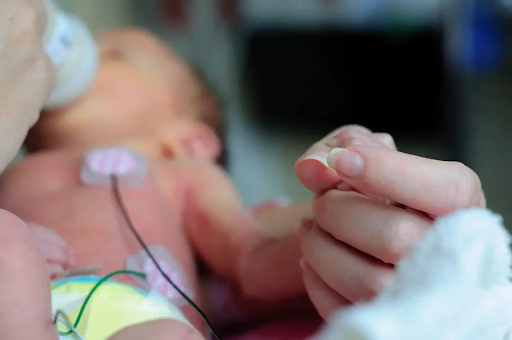
Being born early can affect visual development in several ways. One of the best-known concerns is retinopathy of prematurity, or ROP, which affects the developing retina in premature infants. Babies at risk of ROP are usually examined by an ophthalmologist based on their gestational age, birth weight, post-menstrual age, post-natal age, and overall medical condition. In many cases, the first screening may take place around 4 to 6 weeks after birth, or according to the timing recommended by the neonatal (the medical team that cares for newborn babies) and eye care team. Even when ROP is mild or does not develop, children born preterm may still have a higher risk of later eye problems. These can include strabismus, refractive errors, and other visual development issues that may increase the risk of amblyopia.
This is important because significant anisometropia, or blurred visual input from one or both eyes can lead to amblyopia if it is not identified early.
Which Eye Problems Raise the Risk Most
A few conditions are especially important when thinking about amblyopia in premature babies.
Retinopathy of prematurity
Severe ROP can affect retinal development and later vision. Clinical guidance also notes that children with more severe ROP have a higher risk of myopia, strabismus, and amblyopia later on.
Refractive error
Premature babies are more likely to develop myopia, hyperopia, astigmatism, or unequal eye power as they grow. If the prescription is unequal between the two eyes, or large enough to blur normal visual input, the risk of amblyopia increases.
Strabismus
Eye misalignment is another important risk factor. Long-term follow-up studies in premature infants show that strabismus may develop later, even when the neonatal (early newborn) period seemed stable, which is why monitoring cannot stop too early.
Comparison Table: Why Premature Babies May Need Closer Eye Monitoring
| Risk factor | Why it matters |
| Premature birth | Increases the chance of later visual and eye development problems |
| ROP | Can affect retinal development and raise the risk of later amblyopia-related problems |
| Refractive error | Blurred or unequal visual input can interfere with normal visual development |
| Strabismus | Eye misalignment can lead the brain to suppress vision from one eye |
| Delayed detection | May make treatment more difficult and reduce the chance of stronger visual recovery |
Why Early Monitoring Matters
Early monitoring matters because amblyopia can be difficult to spot at home. A baby may not show obvious signs at first, and the stronger eye can mask the problem for some time. Regular follow-up gives doctors the chance to detect refractive error, eye misalignment, or other visual concerns before reduced vision becomes harder to treat.
For children born prematurely, repeated eye assessment may be important because different eye problems can appear at different stages of development. This also supports the wider value of early childhood vision screening, which helps reduce the risk of persistent amblyopia later on.
For children with amblyopia or concerns about visual development, parents may seek assessment from an ophthalmologist. In some cases, children’s eye conditions may be assessed and managed by ophthalmologists, such as Dr. Nazrah bt. Mohamed Ramli, Consultant Ophthalmologist.
What Doctors Usually Watch For
In premature babies and children born preterm, follow-up may focus on several areas:
- retinal health, especially if there was concern about ROP
- refractive error, including myopia, hyperopia, or astigmatism
- eye alignment
- how well the child is using both eyes
- whether there are signs of amblyopia developing over time
What Parents Can Watch For
Parents are not expected to diagnose amblyopia themselves, but they can still notice signs worth mentioning. These may include:
- one eye appearing to turn in or out
- poor visual tracking
- delayed eye contact or visual attention
- head turning or unusual face positioning when looking at objects
- squinting or closing one eye more often than expected
These signs do not confirm a diagnosis on their own, but they do support the need for timely assessment, especially in a child who was born prematurely.
Does Every Premature Baby Develop Amblyopia?
No. That is an important point to keep clear. Prematurity raises the risk, but it does not mean amblyopia is inevitable. Some children do very well and never develop a significant vision problem. Others may need glasses, eye alignment monitoring, or amblyopia treatment later on.
The purpose of follow-up is not to assume the worst. It is to make sure that children who do need help are identified early enough for treatment to be more effective.
Conclusion
Premature babies have a higher risk of several eye problems that can increase the chance of amblyopia, including ROP, refractive error, and strabismus. Because these problems may not all appear at the same stage, early and continued monitoring is especially important in this group.
The most important message is that prematurity does not mean a child will definitely develop amblyopia, but it does mean they may benefit from closer eye follow-up while visual development is still unfolding. Early detection gives the best chance of protecting vision and starting treatment at the right time.