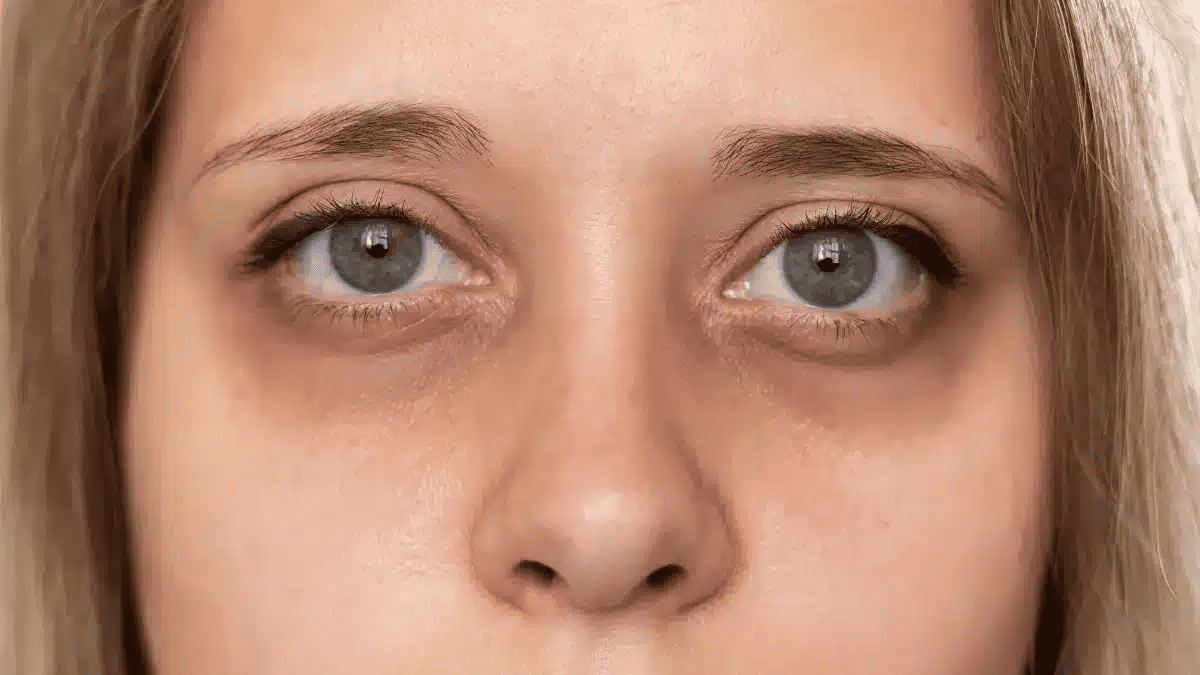
Many people notice that their eyes feel more irritated in certain environments, especially in air-conditioned rooms, windy outdoor settings, or dry indoor spaces. For individuals with dry eye disease, these environmental factors can significantly affect tear film stability and make symptoms more noticeable throughout the day.
Even when the eyes feel comfortable in one setting, symptoms may quickly worsen when exposed to dry air, strong airflow, or prolonged environmental stress that increase tear evaporation.
This article explains how air-conditioning, wind, and environmental exposure can worsen dry eyes, why tear evaporation matters, what patients may notice in daily settings, and what practical adjustments may help protect the eyes.
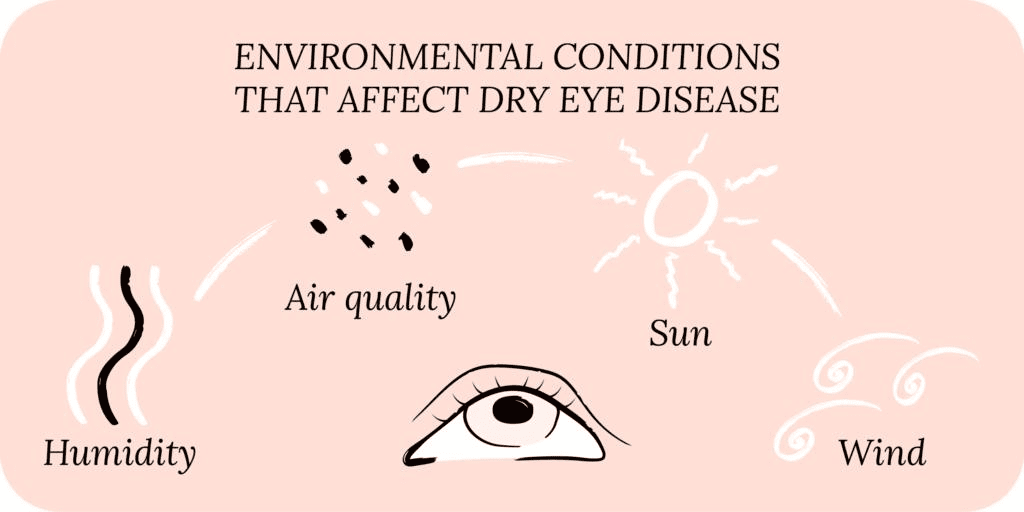
Why the Environment Matters in Dry Eye Disease
The tear film helps keep the front surface of the eye moist, smooth, and comfortable, while also supporting clear vision. In dry eye disease, this protective layer may become unstable because tears are not produced in enough quantity, evaporate too quickly, or do not remain stable on the eye surface.
This is why symptoms can vary from one environment to another. Air-conditioning, wind, smoke, and dry air can all affect tear comfort and make dry eye disease more noticeable.
How Air-Conditioning Can Worsen Dry Eye
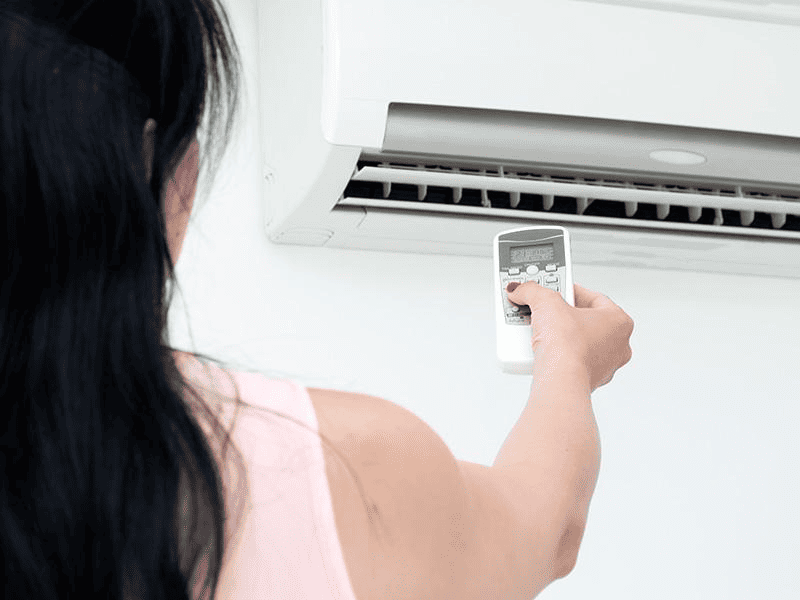
Air-conditioning is common in daily life, but it can worsen dry eye symptoms by reducing humidity and increasing airflow around the eyes.
Air-conditioning may worsen dry eye because it can:
Reduce indoor humidity
Increase tear evaporation
Directing airflow toward the eyes
Make the tear film break up faster
Worsen discomfort during long screen use
For example, a patient working in an air-conditioned office may blink less during computer use while the dry airflow causes tears to evaporate faster. Over time, the eyes may feel dry, heavy, or visually unstable.
This does not mean air-conditioning must be avoided completely. In many cases, the more practical step is to reduce direct airflow and support the tear film during long periods indoors.
Why Wind and Moving Air Can Trigger Symptoms
Wind and moving air can disturb the tear film and make tears evaporate faster. This can happen outdoors, and it can also happen indoors near fans, air vents, or other strong airflow.
Patients may notice dry eye symptoms in situations such as:
Walking outdoors on windy days
Sitting near a fan
Driving with air vents facing the eyes
Being in rooms with strong airflow
Riding a motorcycle or bicycle
Sitting directly below an air-conditioning vent
In these situations, the eyes may also water. This can happen when the eye surface becomes irritated and triggers reflex tearing, these tears often do not provide stable lubrication, so dryness may continue.
Dry Air, Low Humidity, and Tear Evaporation
Humidity refers to the amount of moisture in the air. When humidity is low, tears may evaporate more quickly from the eye surface. This is why some patients feel worse in dry indoor spaces, during long flights, or in rooms with strong cooling.
Low humidity may be especially uncomfortable for patients with evaporative dry eyes. In this type of dry eye, tears evaporate too quickly, commonly because the oily layer of the tear film is not stable enough. This oily layer is supported by the meibomian glands along the eyelids.
Smoke, Dust, and Air Pollution
Dry eye symptoms may also worsen when the eye surface is exposed to irritants such as smoke, dust, haze, and pollution. These exposures can further irritate the ocular surface, especially when the tear film is already unstable.
Some patients may notice more sensitivity, watery eyes, or a stronger urge to rub the eyes after exposure, which can add further irritation.
Why Office Environments Can Make Dry Eye More Noticeable
Many patients notice dry eye symptoms more clearly at work because several triggers may happen at the same time. A typical office setting may involve:
Air-conditioning for many hours
Prolonged computer use
Reduced blinking during screen focus
Dry indoor air
Direct airflow from vents
Contact lens wear
Limited eye rest during the day
This combination can place ongoing stress on the tear film, so symptoms such as dryness, burning, grittiness, or blurred vision may become more noticeable by late afternoon.
Why Contact Lens Wearers May Feel It More
Patients who wear contact lenses may be more sensitive to dry or windy environments. Contact lenses sit on the tear film covering the ocular surface, so any tear instability can affect both comfort and vision.
In air-conditioned rooms or windy spaces, contact lens wearers may notice that their lenses feel dry, tight, or more noticeable on the eye. Vision may also fluctuate after several hours of wear.
This is one reason contact lens discomfort may sometimes reflect underlying dry eye disease, especially when symptoms are worse in dry environments or after long screen use.
Environmental Dry Eye vs Eye Allergy
Environmental exposure can worsen dry eye, but it can also trigger eye allergy. The symptoms may overlap, so the overall pattern matters.
Feature | Environment-Related Dry Eye | Eye Allergy |
Main sensation | Dryness, burning, grittiness, eye fatigue | Itching, watering, swelling |
Common trigger | Air-conditioning, wind, dry air, smoke, prolonged screen use | Dust, pollen, pet dander, allergens |
Vision | May fluctuate and improve briefly after blinking | Usually stable unless swelling is significant |
Tearing | May happen as reflex tearing from irritation | Often watery and linked with itchiness |
Pattern | Worse in dry or windy conditions | Worse after allergen exposure |
This comparison helps patients understand that watery or irritated eyes are not always caused by allergy. In some cases, the main problem may be tear film instability.
Practical Ways to Reduce Environmental Dry Eye Triggers
Patients may not be able to avoid environmental triggers completely, but small adjustments can help reduce stress on the tear film. Helpful steps may include:
Avoiding direct airflow from air-conditioning or fans
Redirecting car air vents away from the face
Taking short breaks during long screen sessions
Blinking fully during focused tasks
Using lubricating eye drops as advised
Wearing sunglasses outdoors to reduce wind exposure
Avoiding rubbing the eyes after dust or smoke exposure
Using a humidifier or improve indoor humidity if the room feels very dry
These steps may help reduce mild symptoms, especially when environmental exposure is a major trigger.
Conclusion
Air-conditioning, wind, and environmental exposure can worsen dry eye disease by increasing tear evaporation and placing additional stress on the ocular surface. For many people, these triggers become more noticeable during work, travel, or prolonged visual tasks.
Understanding how the environment conditions affect the tear film can help patients recognise common triggers and take practical steps to improve long-term eye comfort and ocular surface health.
Patients who experience persistent dry eye symptoms that worsen in air-conditioned environments, windy conditions, or during prolonged screen use should undergo a comprehensive eye assessment with an ophthalmologist. Dr. Paul Lim Chern Pin, Consultant Ophthalmologist, evaluates important factors including tear film stability, meibomian gland function, ocular surface health, eyelid condition, and other possible causes of ocular discomfort to determine the underlying cause of dry eye symptoms. Based on the findings, he provides personalised advice and treatment recommendations to help improve long-term ocular surface health and symptom control.