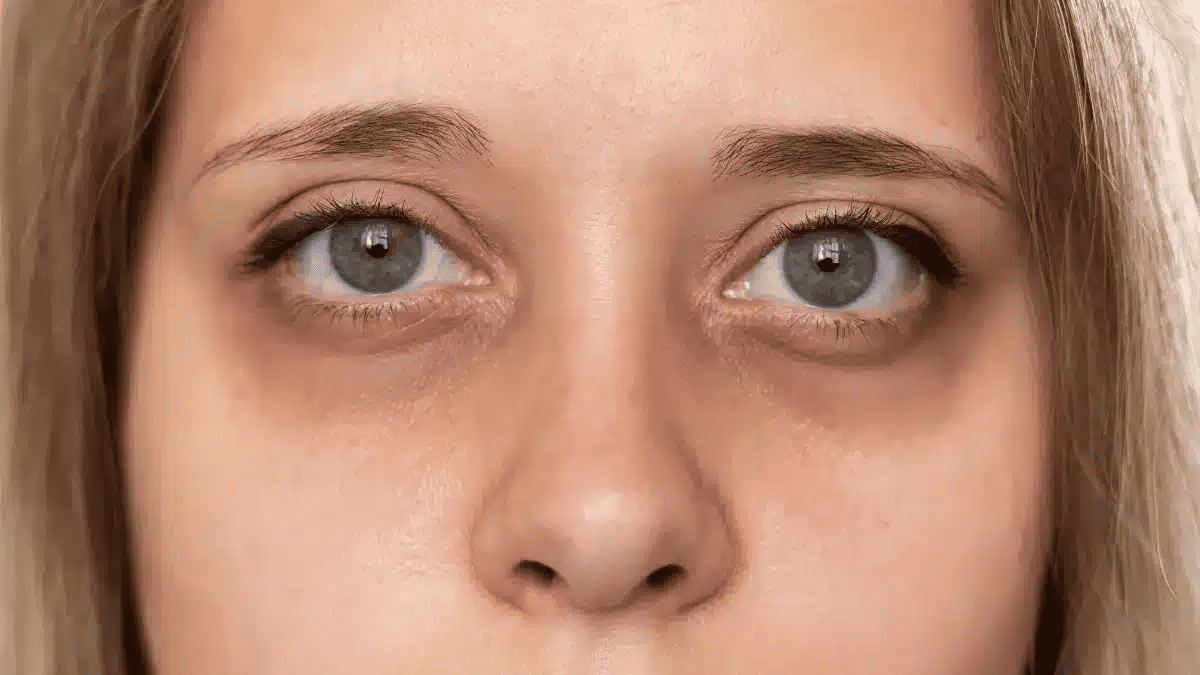
Presbyopia is a natural part of aging, gradually reducing the eye’s ability to focus on near objects. While corrective lenses restore visual clarity, everyday habits and environmental adjustments can significantly reduce eye strain, headaches, and fatigue. Implementing lifestyle adaptations helps maintain comfort, independence, and productivity during reading, screen use, hobbies, and other close-up activities.
Optimize Lighting Conditions
Proper lighting reduces the effort your eyes need to focus on near tasks:
- Use task lighting for reading, crafts, and detailed work instead of relying solely on overhead lights.
- Position light strategically to the side or behind reading materials to minimize glare and shadows.
- Prefer neutral or cool lighting, which enhances contrast and makes fine details easier to see.
Combining optimal lighting with corrective lenses or contact lenses ensures maximum visual comfort and minimizes strain during near work.
Maintain Proper Reading Distance and Posture
Good posture and appropriate reading distance reduce both eye and neck strain:
- Keep materials 14–18 inches from your eyes, or at a distance that feels comfortable.
- Use bookstands, tablet holders, or document holders to position reading material at eye level.
- For computers or tablets, keep the top of the screen at or slightly below eye level.
- Sit upright with relaxed shoulders, avoiding hunching over your work.
Even small adjustments in posture can prevent early presbyopia symptoms from escalating into chronic discomfort, such as squinting, holding materials at arm’s length, or leaning forward to see clearly.
Follow Visual Breaks
Prolonged near-focus tasks fatigue the eye’s focusing muscles. To reduce strain:
- Apply the 20-20-20 rule: every 20 minutes, look at an object at least 20 feet away for 20 seconds.
- Combine visual breaks with gentle neck and shoulder stretches to relieve physical tension.
- Stand, walk, or alternate tasks to give both your eyes and body a rest.
Regular breaks help reduce eye fatigue, headaches, and blurred vision, making daily activities more comfortable and sustainable.
Use Magnification and Digital Adjustments
Even with appropriate corrective lenses, simple visual adjustments can further reduce strain:
- Increase font size or zoom levels on smartphones,tablets, and computers to reduce near-focus demand.
- Adjust contrast and brightness to match ambient lighting conditions for comfortable viewing.
- Use magnifiers for printed materials, e-books, or digital documents when necessary.
These strategies complement presbyopia treatment options, ensuring that glasses, contact lenses, or surgical corrections function optimally while minimizing strain during reading and digital tasks.
Organize Tasks Strategically
Structuring daily activities helps prevent prolonged visual fatigue:
- Alternate between near and distance tasks, such as reading followed by walking or looking across the room.
- Schedule extended desk work during optimal lighting conditions to reduce visual effort.
- Break complex or detailed projects into shorter sessions, incorporating rest periods to avoid cumulative strain.
Thoughtful task organization can significantly reduce eye fatigue and headaches while improving overall productivity and comfort.
Maintain Overall Eye Health
General health habits also influence visual comfort:
- Consume a balanced diet rich in lutein, zeaxanthin, vitamin A, and omega-3 fatty acids which support retinal health and visual performance.
- Stay well hydrated to reduce dry eye symptoms that can worsen fatigue.
- Prioritize sufficient sleep to allow the visual system to recover from daily near-work demands.
- Avoid smoking and limit excessive alcohol consumption, which negatively affect long-term eye health.
Maintaining overall wellness enhances the effectiveness of presbyopia correction and daily visual adjustments.
Leverage Ergonomic Tools
Small ergonomic improvements can make a substantial difference:
- Use adjustable chairs and desks to maintain proper posture during computer or desk work.
- Incorporate document holders or angled reading surfaces to minimize forward head tilt.
- Install anti-glare screen filters on monitors and tablets to reduce strain prolonged device use.
Adapt Hobbies and Leisure Activities
Presbyopia does not require abandoning close-vision hobbies. Instead, adapt them:
- Use brighter or adjustable lighting for knitting, model building, painting, or other intricate crafts.
- Choose large-print books, or enable subtitles for easier reading and media viewing.
- Take regular short breaks during detailed tasks to prevent cumulative strain.
- Consider magnification tools for intricate work, allowing continued enjoyment without discomfort.
Thoughtful adjustment ensures that leisure activities remain comfortable, accessible, and fulfilling.
Monitor Symptoms and Adjust Accordingly
Even with consistent lifestyle adaptations, regularly self-monitoring is essential:
- Watch for persistent eye fatigue, headaches, or blurred vision after reading, computer use, or detailed tasks.
- Adjust reading distance, lighting, or screen settings if discomfort develops.
- Ensure prescriptions remain current by schedulling routine comprehensive eye exams.
Monitoring symptoms allows early detection of presbyopia progression and prevents chronic discomfort caused by outdated or inadequate correction.
Combine Strategies for Maximum Effectiveness
Lifestyle adjustments are most effective when paired with appropriate vision corrections:
- Wear prescribed reading glasses, progressive lenses, or contact lenses consistently to reduce accommodative strain.
- Incorporate ergonomic improvements and visual habits to complement optical correction.
- Maintain healthy routines, including hydration, balanced nutrition, sufficient sleep, and regular visual breaks.
Together, these measures create a comprehensive and sustainable approach to managing presbyopia.
Conclusion
Lifestyle adjustments play a vital role in complementing presbyopia treatments. Optimizing lighting, maintaining proper posture, taking regular visual breaks, and using magnification tools all help reduce eye strain, prevent headaches during near and intermediate work.
When Combined with up-to-date corrective lenses and regular eye examinations, these strategies support long-term visual comfort, productivity, leisure, and overall eye health, allowing adults to navigate presbyopia confidently and comfortably.