Dry eyes are among the most common eye conditions , affecting millions of adults and disrupting daily activities such as reading, working on screens and driving.
The discomfort ranges from mild irritation to significant discomfort, often accompanied by redness, grittiness and fluctuating vision. While dry eyes can feel relentless, effective relief is available through a combination of treatment options and self-care strategies.
Understanding what works and how to integrate these solutions into your routine can significantly improve comfort and support long-term eye health.
Key Takeaways
- Dry eye relief starts with identifying the underlying cause, whether reduced tear production, excessive tear evaporation, inflammation, meibomian gland dysfunction or environmental factors
- Artificial tears and lubricating drops can provide symptom relief, while prescription treatments address chronic inflammation
- Self-care habits such as screen breaks, environmental adjustments and eyelid hygiene support long-term symptom management
- Professional evaluation is essential for persistent symptoms to rule out underlying conditions and tailor treatment effectively
Why Dry Eye Happens
Dry eye occurs when the eyes do not produce enough tears or when tears evaporate too quickly, or when the tear film does not function normally, leaving the ocular surface inadequately lubricated.
Common causes include aging, which may reduce tear production, prolonged screen use that decreases blink rate, air conditioning and fans that accelerate tear evaporation, certain medications such as antihistamines and antidepressants, and underlying health conditions including diabetes and autoimmune disorders.
Hormonal changes, particularly in women during menopause, can also contribute to tear film instability. Environmental factors such as pollution, smoke and low humidity may worsen symptoms.
Understanding the cause helps tailor dry eye relief strategies to address contributing factors rather than symptoms alone.
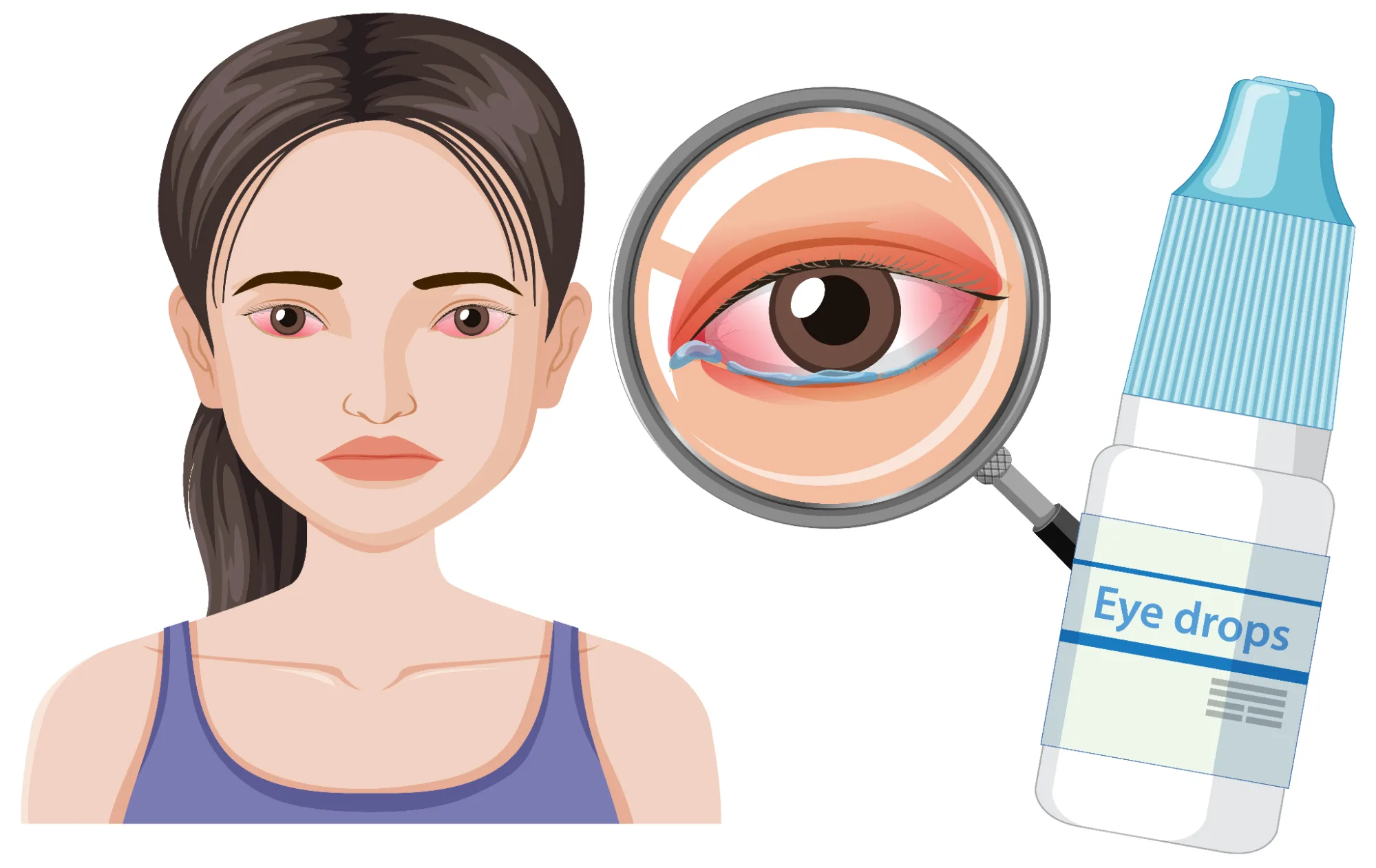
Artificial Tears: Your First Line of Relief
Artificial tears are lubricating eye drops that supplement the natural tear film and provide relief for mild to moderate dry eye symptoms.
Preservative-Free Drops
Gentler on the eyes and often preferred when drops need to be used frequently or when the ocular surface is sensitive .
Preserved Drops
May be suitable for less frequent use, but preservatives can irritate the ocular surface in some people, particularly with frequent or prolonged use .
Timing Your Application
Apply drops as directed or when symptoms occur. They may also be used before activities or environments known to aggravate symptoms , such as reading or screen work.
Gel-Based Lubricants
Offer longer-lasting relief and are particularly helpful at bedtime.
While artificial tears provide symptom relief, they do not treat underlying inflammation or tear production issues, so persistent symptoms require professional evaluation.
Prescription Treatments for Chronic Symptoms
When over-the-counter drops are insufficient, prescription treatments may be necessary to manage chronic dry eye and reduce inflammation.
Anti-inflammatory eye drops such as cyclosporine or lifitegrast may help manage ocular surface inflammation, with cyclosporine also helping to improve tear production in some patients. These medications may require consistent use over time before their full benefits are noticed.
In some cases, oral omega-3 supplements may be recommended to support tear film quality and reduce inflammation. Short courses of corticosteroid drops may be prescribed for inflammatory flare-ups, though long-term use carries risks.
Prescription treatments should always be used under professional supervision to monitor effectiveness and manage potential side effects.
Professional Procedures That Help
For moderate to severe dry eyes that do not respond adequately to drops, several in-office procedures may help, depending on the underlying cause.
Punctal plugs are tiny devices inserted into the tear drainage ducts to slow tear loss, keeping natural tears on the eye surface longer. Intense pulsed light (IPL) therapy may help selected patients with dry eye associated with meibomian gland dysfunction by improving gland function and reducing inflammation.
Thermal pulsation devices gently heat and massage the eyelids to help clear obstructed meibomian glands and improve the oily component of the tear film. Amniotic membrane therapy may be used in selected severe or persistent cases to support ocular surface healing .
These procedures are typically recommended after a comprehensive evaluation to determine the most appropriate intervention based on individual symptoms and underlying causes.

Self-Care Strategies for Daily Comfort
Integrating simple self-care habits into your routine can help reduce dry eye symptoms and support long-term comfort.
Stay Hydrated and Take Screen Breaks
Maintain adequate hydration for overall health. During prolonged screen use, take regular breaks and make a conscious effort to blink fully and frequently. Every 20 minutes, look at something 20 feet away for 20 seconds to encourage blinking and reduce strain.
Adjust Your Screen Position
Position screens slightly below eye level to reduce the exposed ocular surface area and potentially reduce tear evaporation.
Add Moisture to Your Environment
Use a humidifier in air-conditioned or heated rooms to maintain moisture in the air and ease the strain on your tear film.
Shield Your Eyes Outdoors
Wear sunglasses to protect eyes from wind, dust and UV exposure. Avoid direct airflow from fans, air conditioning vents or car heaters.
Eyelid Hygiene and Warm Compresses
Maintaining clean eyelids can be helpful for managing dry eye, particularly when caused by meibomian gland dysfunction or blepharitis.
- Apply warm compresses to closed eyelids for 5-10 minutes to soften and release blocked oils in the meibomian glands, improving tear film quality. Use a clean, warm cloth or a commercially available heat mask designed for eye care.
- Follow with gentle eyelid massage using clean fingertips to encourage oil flow from the glands.
- Use a dedicated eyelid cleanser or specialised cleansing wipes as recommended. Diluted baby shampoo has traditionally been used for eyelid hygiene, but dedicated eyelid cleansers may be better tolerated by some patients.
The appropriate frequency and technique depend on the underlying eyelid or meibomian gland condition.
Nutrition and Lifestyle for Healthier Tears
Diet and lifestyle choices play a supporting role in managing dry eye and promoting overall ocular health.
Omega-3 fatty acids found in fish such as salmon, mackerel and sardines help reduce inflammation and improve tear quality. Consider supplements if dietary intake is insufficient, though always consult a healthcare professional before starting.
Antioxidants such as vitamins A, C and Eare important nutrients for overall health, including eye health. A balanced diet containing leafy greens, carrots, citrus fruits and nuts can help provide a range of essential nutrients.
Avoid smoking, which can irritate the ocular surface and is associated with multiple eye diseases. Excessive alcohol consumption may contribute to dehydration, while the relationship between moderate caffeine intake and dry eye is less clear..
Regular exercise supports overall health and circulation, although it should not be considered a direct treatment for increasing tear production.
When to See a Specialist
While self-care and over-the-counter drops help many people, certain symptoms require professional evaluation to prevent complications and address underlying issues.
Seek an eye specialist if you experience persistent symptoms despite using artificial tears regularly, sudden worsening of symptoms or changes in vision, severe pain, redness or light sensitivity, discharge or signs of infection, or symptoms that interfere with daily activities such as reading, driving or working.
An eye examination can identify underlying conditions such as meibomian gland dysfunction, blepharitis, autoimmune disorders or other ocular surface diseases that require targeted treatment.
Early intervention can help protect the ocular surface and allow appropriate treatment to begin sooner.
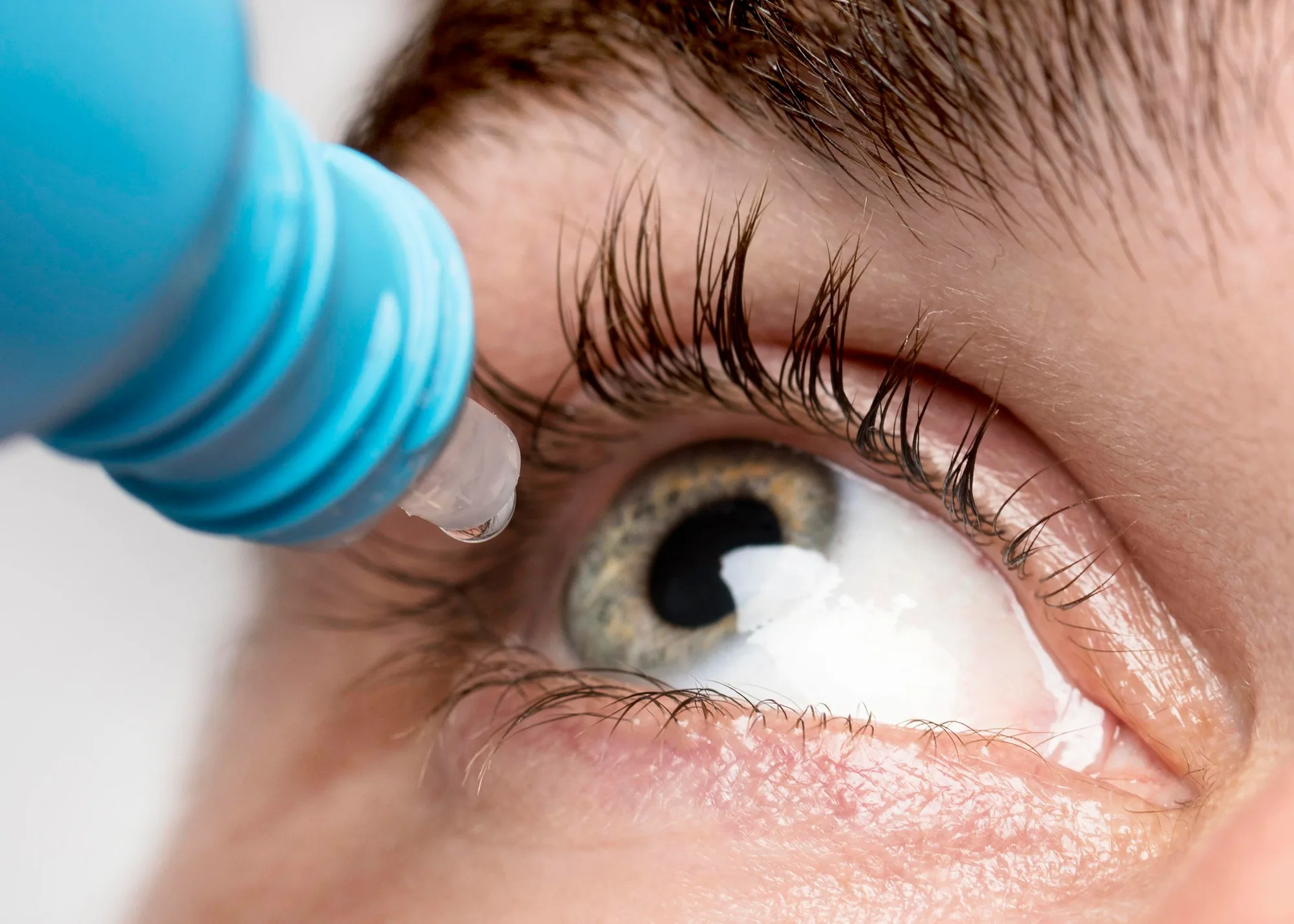
Combining Treatments for Best Results
Effective dry eye relief usually combines several approaches tailored to your symptoms and underlying causes.
Initial management may include artificial tears and self-care habits like hydration, screen breaks and eyelid hygiene. If symptoms persist, add warm compresses and eyelid massage.
For chronic cases, a specialist can explore prescription treatments or in-office procedures alongside your existing self-care routine.
Tracking your symptoms and triggers helps identify patterns, while regular follow-up ensures your approach stays effective as things evolve.
Dry eyes an often be effectively managed. An appropriate combination of treatment and lifestyle measures can help improve symptoms and daily comfort .
Find Relief with Professional Support
If dry eye symptoms are affecting your daily comfort and quality of life, an eye examination can help determine the type and underlying causes of dry eye and guide appropriate management.
Dr. Goh Yihui, Consultant Ophthalmologist, provides assessment and care for patients experiencing dry eye symptoms and other eye conditions. A comprehensive evaluation can help identify contributing factors such as tear film instability, meibomian gland dysfunction or ocular surface inflammation and guide treatment based on the individual patient’s condition.