Vision changes rarely announce themselves dramatically. Instead, they creep in quietly: a slight blur when reading, colours that seem less vibrant, or increased difficulty driving at night.
Many adults dismiss these signs as normal ageing, but they could indicate the early stages of cataracts, one of the most common age-related eye conditions worldwide.
Recognising cataract symptoms early allows for timely monitoring, appropriate interventions and better long-term visual outcomes. Understanding what to watch for helps you make informed decisions about your eye health before significant vision loss occurs.
Key Takeaways
- Cataracts may cause no noticeable symptoms at first, but as they develop, symptoms can include blurred vision, increased glare sensitivity, faded colours and difficulty with night vision
- Cataracts develop gradually, often over years, making subtle changes easy to overlook initially
- Regular comprehensive eye examinations can detect cataracts before symptoms become disruptive to daily activities
- While cataracts are age-related, certain risk factors may accelerate their development and progression
What Happens When Cataracts Form
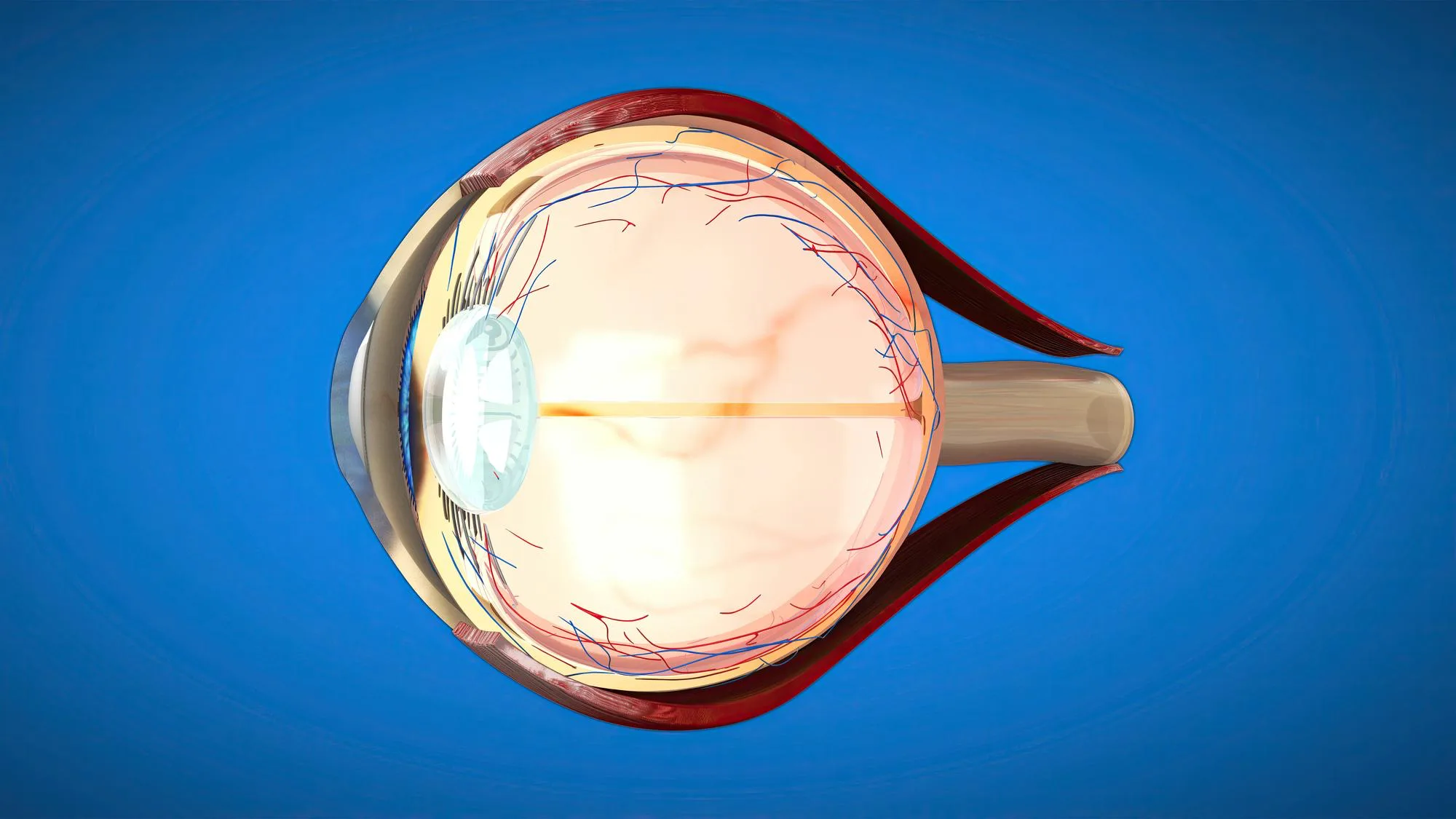
Cataracts occur when the normally clear lens inside the eye becomes cloudy, blocking or scattering light as it enters. The lens sits behind the iris and pupil, focusing light onto the retina to create sharp images.
As proteins within the lens break down and clump together over time, they form opaque areas that interfere with light transmission. This clouding process typically develops slowly and may affect one or both eyes, sometimes progressing at different rates in each eye.
The lens continues to thicken and yellow with age, further reducing clarity and colour perception. While cataract development is most commonly associated with aging, they can also develop due to injury, certain medications, medical conditions or genetic factors.
Blurred Vision That Worsens Gradually
One of the earliest and most common cataract symptoms is progressive blurring of vision. Unlike sudden vision loss, cataract-related blur develops slowly, making it easy to adapt without noticing the change.
You may find that your glasses prescription no longer provides the clarity it once did, or that you need brighter lighting to read comfortably. Fine details become harder to distinguish, and faces may appear less defined from a distance.
This gradual decline often prompts frequent changes in corrective lens prescriptions as the eye attempts to compensate for the clouding lens. If you notice that new glasses provide only temporary improvement before vision blurs again, cataracts may be developing.

Increased Sensitivity to Glare and Light
Cataracts scatter incoming light rather than allowing it to pass cleanly through the lens. This scattering creates halos, starbursts or glare around light sources, particularly noticeable at night.
Driving after dark often becomes uncomfortable or even unsafe, as oncoming headlights produce intense glare that temporarily obscures vision. Bright sunlight may also feel harsh, prompting you to squint or seek shade more frequently than before.
Indoor lighting, especially fluorescent or LED sources, can create similar discomfort. Many individuals with early cataracts find themselves adjusting lighting throughout the day to reduce glare and improve visual comfort.
Faded or Yellowed Colours
As the lens yellows with cataract formation, colour perception shifts. Whites may appear dingy or cream-coloured, and vibrant hues lose their intensity.
Blues and purples become particularly difficult to distinguish, as the yellowed lens filters out shorter wavelengths of light. You may notice that clothing, artwork or familiar surroundings seem less colourful than you remember.
This symptom develops so gradually that many people do not recognise the change until after cataract treatment, when colour vibrancy returns and the difference becomes strikingly apparent.
Difficulty Seeing Clearly at Night
Night vision relies on the eye’s ability to gather and focus limited light, a task that becomes increasingly difficult as cataracts cloud the lens. Reduced contrast sensitivity makes it harder to distinguish objects in low-light conditions.
Activities such as driving at dusk or navigating dimly lit spaces become more challenging. Street signs may be difficult to read until you are very close, and pedestrians or obstacles may seem to appear suddenly.
Many individuals with developing cataracts begin avoiding night driving or activities in poorly lit environments due to safety concerns and visual discomfort.
The Double Vision Phenomenon
In some cases, cataracts cause double vision (diplopia) in a single eye, a condition known as monocular diplopia. This occurs when the clouded lens splits incoming light into multiple images.
Covering the unaffected eye does not eliminate the double image, distinguishing this symptom from binocular double vision caused by eye alignment issues. As the cataract progresses, this symptom may resolve or worsen depending on the location and density of the clouding.
If you experience double vision in one or both eyes, a comprehensive eye examination is essential to determine the underlying cause and appropriate management.
When to Seek Professional Evaluation
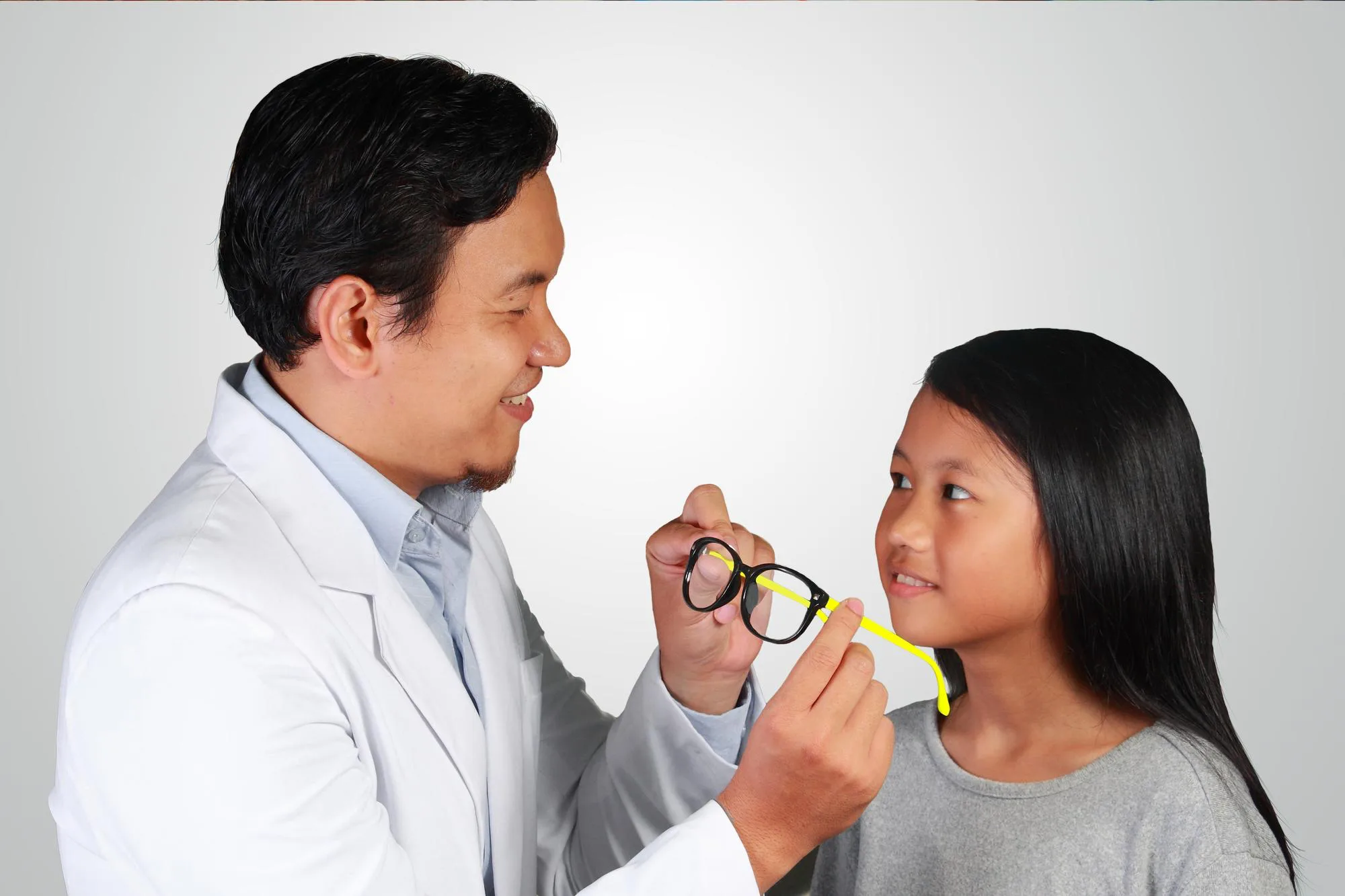
Early cataract symptoms are often subtle and easy to dismiss, but timely evaluation allows for monitoring and planning. Schedule a comprehensive eye examination if you notice any of the following:
- Progressive blurring of vision that is not corrected by updated glasses
- Increased difficulty with glare, particularly when driving at night
- Fading or yellowing of colours
- Frequent changes in corrective lens prescriptions within a short period
- Double vision in one eye
- Difficulty performing daily tasks such as reading, cooking or recognising faces
Regular eye exams, typically recommended every one to two years for adults over 40, can detect cataracts before symptoms become disruptive. Early detection allows for appropriate monitoring and discussion of treatment options when vision loss begins to affect quality of life.
Risk Factors That Accelerate Development
While age is the primary risk factor for cataracts, certain conditions and lifestyle factors may accelerate their formation:
- Prolonged exposure to ultraviolet (UV) radiation without eye protection
- Smoking, which increases oxidative stress on the lens
- Diabetes, particularly when blood sugar levels are poorly controlled
- Long-term use of corticosteroid medications
- Previous eye injury or inflammation
- Family history of cataracts
- High myopia (severe short-sightedness)
Understanding your personal risk factors allows for proactive monitoring and lifestyle modifications that may support long-term eye health, such as wearing UV-protective sunglasses and managing chronic health conditions effectively.

Living with Early Cataracts
In the early stages, cataracts may not significantly interfere with daily activities. Simple adjustments can help maintain visual comfort and function:
- Increase lighting for reading and detailed tasks
- Use anti-glare coatings on glasses
- Wear sunglasses with 100% UV protection outdoors
- Update corrective lens prescriptions as needed
- Avoid driving at night if glare becomes problematic
These strategies can extend functional vision while cataracts are still mild. However, as cataracts progress and begin to interfere with daily activities, safety or quality of life, cataract surgery may be considered.
Modern cataract surgery is highly effective, with the clouded lens removed and replaced with a clear artificial intraocular lens. The procedure is typically performed on an outpatient basis and offers excellent visual outcomes for most individuals.
Protect Your Vision Starting Today
Recognising early cataract symptoms allows you to take control of your eye health before significant vision loss occurs. Regular comprehensive eye examinations remain the most reliable way to detect cataracts and monitor their progression.
If you have noticed any changes in your vision, glare sensitivity or colour perception, do not wait for symptoms to worsen. Early evaluation provides peace of mind and ensures that you have the information needed to make informed decisions about your eye care.
Dr. Anson Teh Yeong Han, Consultant Ophthalmologist provides comprehensive eye assessments to help patients understand changes in their vision and the appropriate next steps. A comprehensive eye examination can help determine whether your symptoms are related to cataracts or another eye condition and whether further monitoring or treatment may be appropriate.