Dry eye disease is a common condition in adults and can develop from a combination of lifestyle, environmental, age-related, and medical factors. In some people, symptoms appear gradually over time, while others may notice irritation, fluctuating vision, or eye fatigue becoming more obvious during certain activities or environments. Understanding the risk factors and common causes of dry eye disease in adults helps explain why the condition develops and why some individuals are more affected than others.
This article explains the common risk factors and causes of dry eye disease in adults, how they may affect the tear film, and why different patients may experience dry eye symptoms for different reasons.
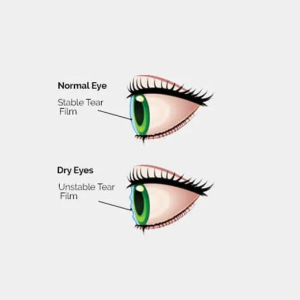
Understanding Why Dry Eye Disease Happens
The eye surface is protected by a thin layer called the tear film. This layer helps keep the eyes moist, smooth, and comfortable. It also supports clear vision.
A healthy tear film contains three main layers:
Tear Film Layer | Main Role | Possible Dry Eye Link |
Lipid layer | Helps slow down tear evaporation | Poor oil quality may cause tears to evaporate too quickly |
Aqueous layer | Provides moisture to the eye surface | Reduced tear production may cause persistent dryness |
Mucin layer | Helps tears spread evenly | Poor tear spreading may cause irritation or blurred vision |
When one or more layers are disrupted, the tear film becomes unstable. This can cause the eye surface to become irritated, leading to symptoms such as dryness, burning, grittiness, watery eyes, eye fatigue, and fluctuating vision.
Main Causes of Dry Eye Disease
Dry eye disease usually develops through two main mechanisms: reduced tear production and increased tear evaporation. Some patients may have one mechanism, while others may have both.
Cause Type | What Happens | Common Examples |
Reduced tear production | The eyes do not produce enough watery tears | Ageing, hormonal changes, autoimmune disease, certain medications |
Increased tear evaporation | Tears evaporate too quickly from the eye surface | Meibomian gland dysfunction, screen use, air-conditioning, wind, contact lens wear |
Mixed dry eye | Both tear production and tear evaporation are affected | Common in adults with multiple risk factors |
This distinction matters because dry eye management should match the underlying cause. A patient with eyelid oil gland dysfunction may need a different approach from someone whose main issue is reduced tear production.
Ageing and Tear Film Changes
Age is one of the most consistent risk factors for dry eye disease, with prevalence generally increasing over time. As adults get older, tear production may reduce, the eyelid oil glands may become less efficient, and the tear film may become less stable.
Older adults may notice:
Dryness that becomes more frequent
Eye fatigue during reading
Burning or grittiness later in the day
Watery eyes in windy or dry environments
Blurred vision that improves briefly after blinking
At the same time, dry eye disease is not limited to older adults, as younger people may also develop it when lifestyle or environmental triggers are present.
Female Sex and Hormonal Changes
Dry eye disease is more commonly reported in women as compared to men, especially during periods of hormonal change. Hormonal shifts may affect tear production, tear quality, and meibomian gland function, which can make symptoms more noticeable.
Symptoms may include:
Persistent dryness
Burning or stinging
Contact lens discomfort
Eye fatigue
Fluctuating vision
Increased sensitivity to air-conditioning or wind
Hormonal influence is usually one part of the picture, and other factors such as age, screen use, medication use, and eyelid health may also play a role.
Meibomian Gland Dysfunction
Meibomian gland dysfunction is a common cause of evaporative dry eye. The meibomian glands are small oil glands along the eyelids that help form the outermost lipid layer of the tear film.
When these glands are blocked or not working properly, tears may evaporate too quickly and less protect the eye surface between blinks. Patients may notice burning, stinging, eyelid irritation, watery eyes, blurred or fluctuating vision, symptoms that worsen in air-conditioning, and discomfort later in the day.
Management usually focuses on improving eyelid health and supporting tear film stability.
Digital Screen Use and Reduced Blinking
Long hours of screen use can contribute to dry eye disease because people tend to blink less often, and some blinks may be incomplete. This can prevent the tear film from spreading evenly across the eye surface.
Common screen-related symptoms include:
Tired eyes after computer work
Dryness during long meetings or study sessions
Burning after phone use
Blurred vision that clears after blinking
Difficulty concentrating
Symptoms that worsen toward evening
For many office workers and students, screen use is one of the most noticeable daily triggers.
Air-Conditioning, Wind, and Dry Environments
Environmental exposure can worsen dry eye symptoms by increasing tear evaporation. Common triggers include air-conditioning, direct fan exposure, wind, smoke, dust, and low-humidity indoor spaces.
Patients may notice symptoms when:
- Sitting in air-conditioned rooms
- Driving with air vents facing the eyes
- Working near a fan
- Spending time in windy, smoky, or dusty environments
Contact Lens Wear
Contact lenses sit on the tear film, so unstable tears can make them feel dry or uncomfortable. Patients may notice:
Reduced comfortable wearing time
Dryness after several hours of wears
Blurred vision
Burning or stinging
Increased blinking frequency
In these cases, lens type, wearing time, and underlying dry eye disease may need to be reviewed.
Lifestyle Habits That May Worsen Dry Eye Symptoms
Daily habits can make dry eye symptoms more noticeable, even if they are not the only cause. Common contributors include:
Prolonged screen use
Reduced blinking during focused tasks
Poor sleep quality
Prolonged contact lens wear
Low fluid intake
Frequent exposure to fans or air-conditioning
Smoking or exposure to second-hand smoke
Poor eyelid hygiene
These factors can affect the tear film directly or increase irritation on the ocular surface.
Conclusion
The risk factors and common causes of dry eye disease in adults are often linked to a combination of ageing, environment, lifestyle habits, eyelid health, and tear film instability. Because multiple factors may contribute at the same time, symptoms can vary from person to person.
Understanding these causes helps support earlier recognition, better management, and improved long-term ocular comfort.
Adults experiencing persistent dry eye symptoms, fluctuating vision, or ongoing eye discomfort should undergo a comprehensive eye assessment to identify the underlying cause. Senior Consultant Ophthalmologist, Dr. Adrian Chuah Khai Choon evaluates factors such as tear film stability, meibomian gland function, ocular surface health, eyelid condition, and other contributing risk factors to determine the most appropriate management approach for each patient.