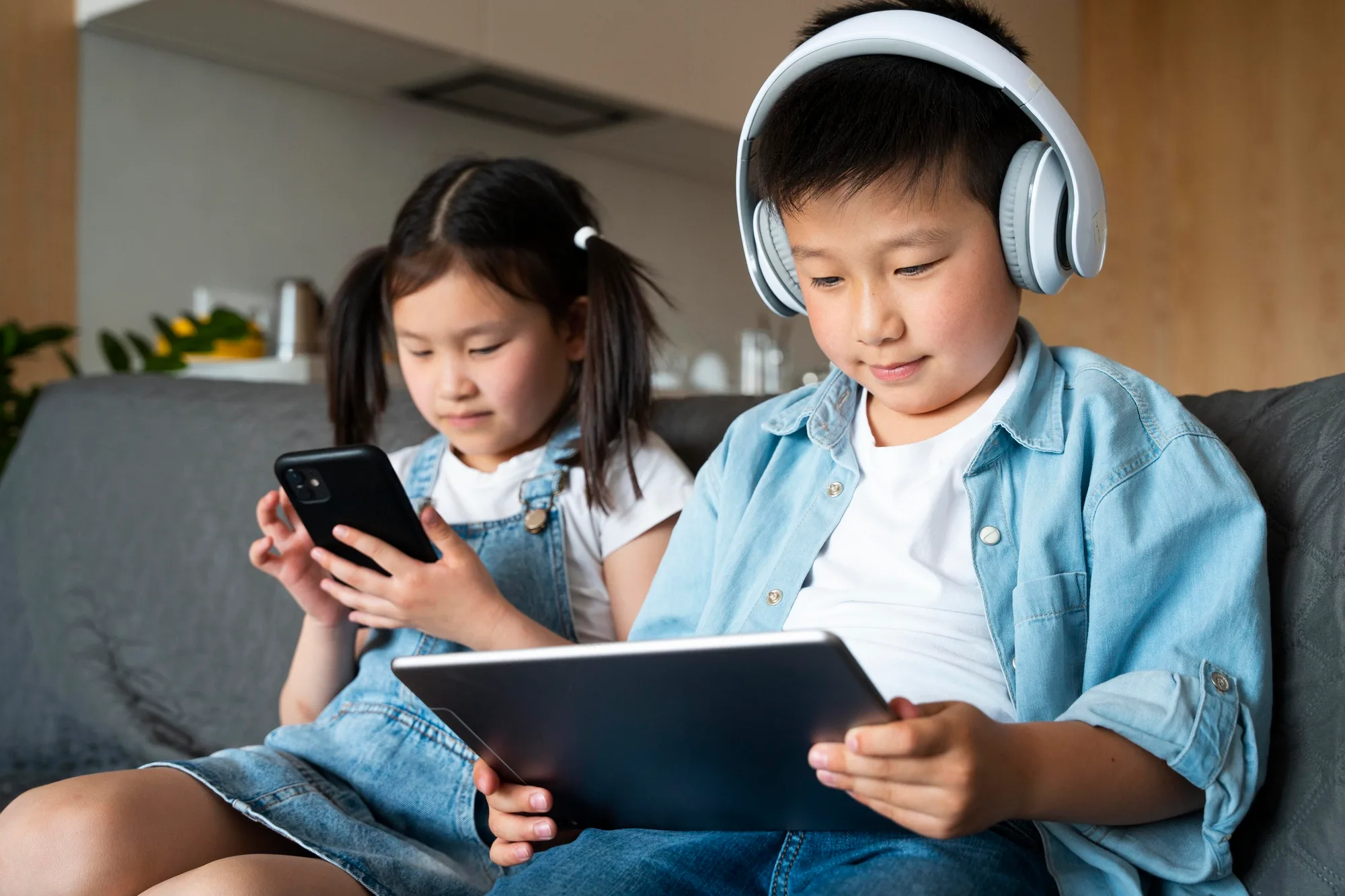
When people discuss amblyopia, the focus is usually on visual development and treatment. However, childhood eye conditions can also influence how children feel emotionally and socially, especially during school-age years, when confidence, friendships, and self-awareness become increasingly important.
Many children with amblyopia adapt very well and continue to thrive socially. At the same time, some may experience frustration, self-consciousness, or emotional stress related to patching, wearing glasses, visual difficulties, or feeling different from their peers.
This article explores the relationship between amblyopia and social-emotional development, the common challenges some children may face, and how supportive environments may help children cope with greater confidence.
Why The Emotional Side Matters
Children do not experience amblyopia only as a medical condition. They may also experience it as something that makes reading harder, patching frustrating, or certain social situations feel more awkward.
A child who has to wear glasses, use an eye patch, or attend repeated eye appointments may start to feel different from classmates, even if no one comments on it.
This does not mean every child with amblyopia will struggle emotionally. Many cope very well, especially when treatment is explained in an age-appropriate way and they receive consistent support from family, teachers, and healthcare professionals. .
Still, emotional well-being is an important part of managing amblyopia and should not be overlooked.
How Amblyopia May Affect Social Development
Social development in childhood is closely linked to confidence, participation, and a sense of belonging. Many children with amblyopia may still be outgoing and socially active, but some children may become more self-conscious if their treatment is visible or if visual tasks are more challenging than they are for their peers .
This may show up as:
- Feeling different because of patching or wearing glasses
- Worrying about classmates asking questions
- Avoiding activities that seem visually challenging
- Feeling less confident during reading, ball games, or classroom activities
- Becoming quieter or less engaged in group situations
These kinds of effects are consistent with research showing that amblyopia can influence how some children perceive themselves socially and academically. Lower self-perception has also been associated with slower reading speed and reduced motor performance in some school-aged children, highlighting the close relationship between visual function, daily activities, and confidence.

The Effect Of Treatment On Emotions
In many cases, the emotional strain is not only from the diagnosis itself. It
Patching in particular can be stressful because it is visible and temporarily requires the child to rely on the weaker eye, which can make daily tasks feel more challenging.
Children may experience:
- Frustration during homework or reading
- Embarrassment when wearing an eye patch
- Resistance or reluctance during treatment
- Irritation because everyday tasks become temporarily more difficult
- Fear and anxiety of standing out from their peers
That is one reason emotional support is so important. Children are generally more willing to cooperate with treatment when they feel understood, encouraged, and supported rather than pressured or blamed.
School Life And Classroom Confidence
School is one of the places where the emotional and social effects of amblyopia become most noticeable.
Some children may hesitate to read aloud, feel less confident completing written tasks, or become more easily tired during prolonged near work. This does not automatically mean there is a learning disorder, but it does show how vision can influence classroom performance and self-confidence.
This can create a wider effect over time. When a child starts to feel less capable in the classroom, they may participate less, become more self-conscious, or avoid situations that draw attention to their difficulties. As a result, both academic confidence and social comfort may be affected.
Possible Social And Emotional Effects
| Area | How it may affect a child |
| Social confidence | May feel self-conscious about patching, glasses, or visible differences |
| Peer interaction | May worry about being noticed, questioned, or treated differently |
| School confidence | May feel less secure during reading, board work, or class participation |
| Mood during treatment | May become frustrated or upset when patching makes daily tasks more difficult |
| Daily participation | May avoid activities that feel visually difficult or tiring |
Family Support Makes a Real Difference
A child’s emotional experience with amblyopia is greatly influenced by how the adults around them respond.
When parents and teachers present treatment as manageable, explain it simply, and avoid making the child feel blamed or different, children are generally better able to adapt over time. Conversely, if treatment becomes a repeated source of conflict or stress, the emotional burden can increase.
Helpful support often includes:
- Explaining treatment in simple, calm language
- Acknowledging that patching can feel difficult
- Encouraging participation in normal daily activities
- Informing teachers or caregivers when treatment happens during school hours
- Watching for signs of withdrawal, embarrassment, or frustration
Support does not mean pretending treatment is easy. Instead, it means helping the child feel understood, and supported while doing something that may genuinely be difficult.
Guiding them through a process that can sometimes be challenging.
Does Amblyopia Always Lead To Long-Term Emotional Problems?
Not necessarily.
This is an important point to keep in perspective.
Some studies have shown psychosocial effects, especially in areas such as social acceptance or treatment burden, while other research has found little evidence that amblyopia causes broad long-term effects in self-esteem during adolescence or poorer socioeconomic outcomes in adulthood. That means the emotional impact can be real, but it is not fixed or inevitable.Every child’s experience is different and may depend on factors such as:
- The severity of the vision impairment
- The type and duration of treatment
- The child’s personality and coping style
- Their experiences at school
- The quality of support from family, teachers, and healthcare professionals

Signs A Child May Need More Support
Parents and teachers may notice emotional difficulties through behavioural changes.
Signs that a child may need more support include:
- Strong distress or anxiety during patching
- Becoming withdrawn or unusually quiet
- Increased reluctance to read or complete schoolwork more than before
- Feeling embarrassed about wearing glasses or an eye patch
- Losing confidence in activities they used to enjoy
- Showing frequent frustration during visually demanding tasks
These signs do not mean the child is failing to cope. They usually mean the child may need greater understanding, encouragement, or adjustments to make treatment more manageable.
Why This Matters For Long-Term Development
Social and emotional development influences far more than a child’s mood. It shapes confidence, independence, willingness to participate, and how children see themselves over time.
If amblyopia treatment successfully improves vision but leaves the child feeling consistently embarrassed, discouraged, or excluded, that emotional experience also deserves attention.
The goal is not only to improve vision function, but also to support the child’s overall well-being throughout treatment. That means recognising that visual development, emotional health, family routines, and school life are all closely connected.
Supporting a child with amblyopia involves more than improving vision alone. Emotional well-being is also an important part of the treatment journey, as it may influence a child’s confidence, cooperation with treatment, and overall development. Children with amblyopia may be assessed and managed by an ophthalmologist, such as Dr. Nazrah Mohamed Ramli, Consultant Ophthalmologist, who can provide appropriate evaluation, treatment recommendations, and follow-up based on each child’s individual needs.
Conclusion
Social and emotional development in children with amblyopia can sometimes be influenced by visual difficulties, treatment routines, and everyday experiences at home and school during childhood. While many children adapt very well, some may experience temporary frustration, embarrassment, or reduced confidence during treatment.
With understanding from parents, teachers, and healthcare professionals, most children can successfully navigate these challenges while continuing to develop socially, emotionally, and academically.
Early recognition, appropriate treatment, and compassionate support work together to help children build not only stronger vision but also greater confidence throughout their development.