VISTA Eye Specialist Malaysia
Introduction to Ptosis
Ptosis, also known as droopy eyelid, is a condition in which the upper eyelid droops or sags abnormally, sometimes partially covering part of the eye or even obstructing vision entirely. In severe cases, it can completely block normal vision. This condition can affect individuals of all ages, from infants (congenital ptosis) to older adults (acquired ptosis).
Drooping eyelids are the most obvious sign of ptosis, which can impact not only vision but also a person’s appearance and confidence. Fortunately, treatment is often available to improve both vision and restore a more balanced eyelid position.The eyelids are lifted primarily by the levator muscle, and when this muscle becomes stretched or weakened, ptosis can occur.
In children, untreated ptosis can interfere with normal visual development, potentially leading to amblyopia (lazy eye) and long-term vision issues. Hence, early diagnosis and appropriate management are essential.
Causes of Ptosis
Ptosis can be caused by various factors and is typically classified as either congenital or acquired, depending on when it develops:
- Congenital ptosis occurs at birth and is usually due to poor development of the levator palpebrae superioris muscle, which is responsible for lifting the upper eyelid.
- Acquired ptosis often results from age-related changes (involutional ptosis), where the levator muscle becomes stretched, thinned or detached from the eyelid. It can also result from trauma, previous eye surgery, or neurological or muscular disorders, such as myasthenia gravis or third nerve palsy.
- In some cases, ptosis can be a sign of more serious underlying conditions, such as brain tumors, orbital tumors, or neurological disorders affecting the nerves or muscles controlling the eyelid.
Ptosis can affect one eyelid (unilateral) or both eyelids (bilateral). The prominent sign is drooping of the upper eyelid(s), which can range from mild (barely noticeable) to severe (covering the pupil and affecting vision).
Childhood and Congenital Ptosis
When ptosis occurs in children, the risks go beyond appearance. The most noticeable sign, a drooping eyelid, can obstruct vision. Left untreated, it may lead to poor vision, amblyopia (lazy eye), or astigmatism or other visual development issues. In some cases, the drooping eyelid may exert pressure on the eye, potentially altering its shape and affecting its function. To compensate for the blocked vision, children may adopt abnormal head positions, such as tilting the head back to see better. Over time, this can lead to neck strain and postural problems.
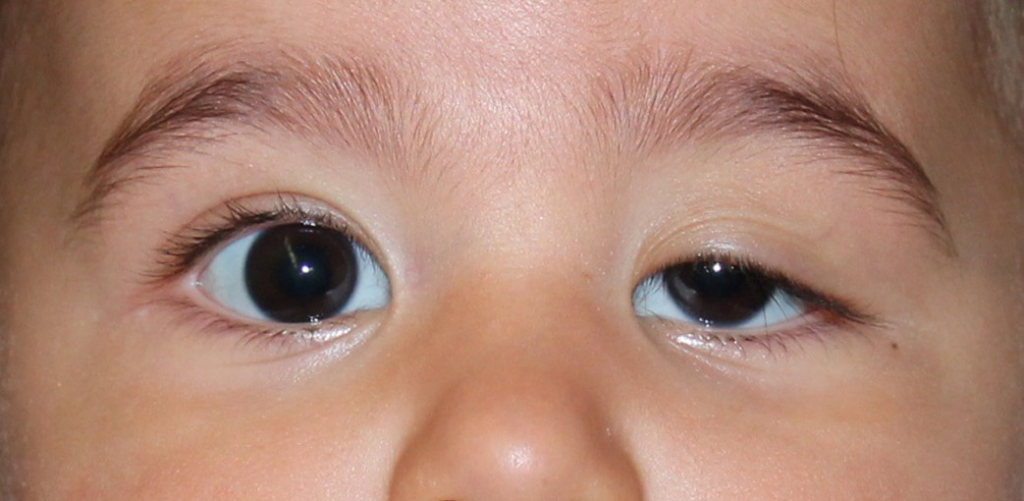
Some cases of ptosis are present at birth, known as congenital ptosis, often due to poor development of the levator palpebrae superioris muscle, which lifts the upper eyelid. Clues that suggest congenital ptosis include low-positioned eyelids, eyelid asymmetry or irregular creases in the upper eyelids. These cases require thorough evaluation to prevent long-term vision complications.
Adult Ptosis
Adult ptosis, often called involutional ptosis, typically develops when the levator muscle that lifts the upper eyelid becomes stretched, weakened or detached over time. This is usually part of the natural aging process, but may also result from eye injuries, previous eye surgeries, or certain medical conditions such as tumours or muscle-related diseases.
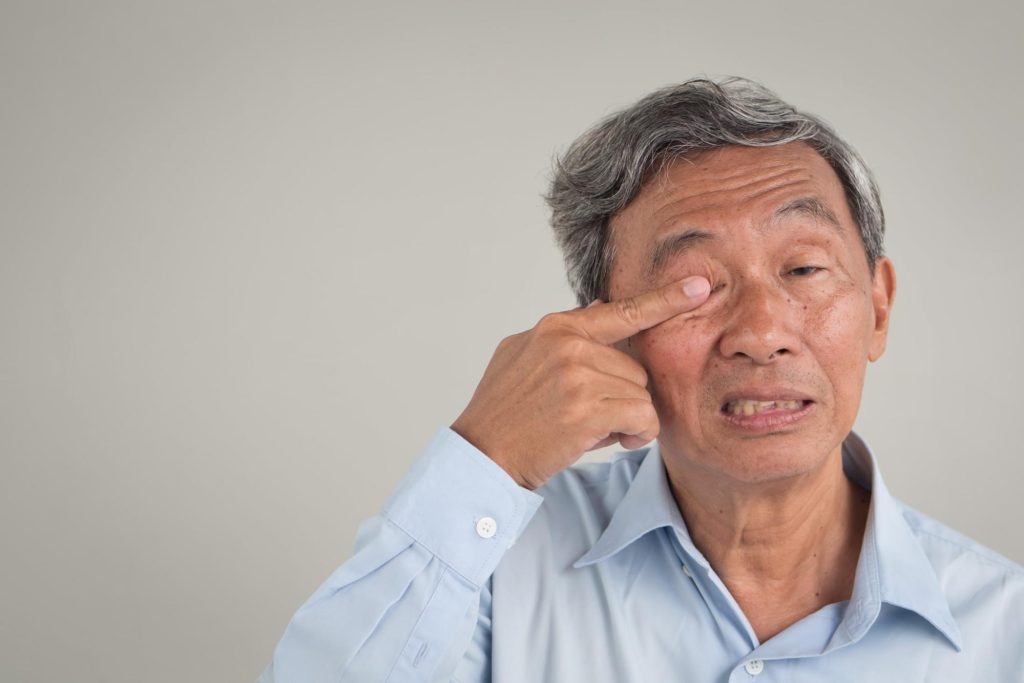
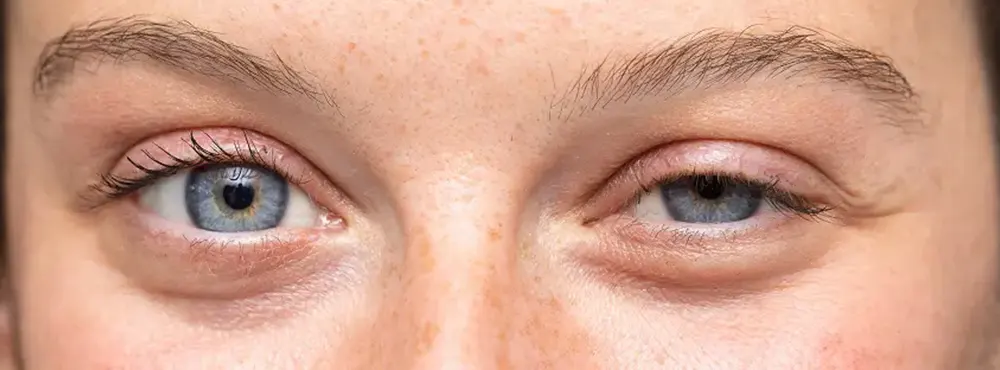
If you notice your upper eyelid sagging or having difficulty keeping your eye open, it’s essential to undergo a comprehensive eye examination. Your eye specialist may recommend imaging tests to rule out underlying causes, such as nerve or muscle disorders. Identifying the root cause is crucial for determining the best treatment plan.
Ptosis Symptoms and Diagnosis
Common symptoms of ptosis include:
- Drooping of one or both upper eyelids
- Difficulty keeping the affected eye(s) open
- Vision disturbances, such as blurry vision, obstructed vision, or occasionally double vision (if associated with other neurological conditions)
- Eye fatigue or a sensation of heaviness, especially toward the end of the day
- In children: abnormal head posture (e.g. chin-up position) to compensate for blocked vision
Diagnosis typically involves a comprehensive eye examination by an ophthalmologist or oculoplastic surgeon. Tests may include:
- Assessment of eyelid height, position, and symmetry
- Levator muscle function test – to assess the strength and movement range of the muscle that lifts the eyelid
- Examination of upper eyelid creases – for signs of muscle dysfunction or asymmetry
- Ocular motility tests – to rule out associated cranial nerve palsies or neuromuscular disorders
- Visual acuity and visual field tests – to determine if the drooping is obstructing vision
- Imaging studies if an underlying condition (e.g., tumour, nerve palsy) is suspected
During the evaluation, ptosis may be classified as unilateral ptosis (affecting one eyelid) or bilateral ptosis (affecting both eyelids). Determining the type and severity is essential for selecting the most appropriate treatment.
Accurate and timely diagnosis is crucial, especially in children, where untreated ptosis can interfere with normal visual development and lead to amblyopia (lazy eye). In adults, diagnosis helps restore not only vision but also appearance and quality of life when properly managed.

Ptosis Surgery and Surgical Intervention
For children, management depends on the severity of eyelid drooping and its impact on vision. Treatment options for childhood ptosis include:
- Surgical correction is often required, particularly when vision is at risk. Procedures may include such as levator resection or frontalis sling surgery, to lift the eyelid and improve vision. These procedures aim to restore eyelid function and prevent long-term visual impairment.
- In less severe cases, non-surgical approaches, such as eye patches, special glasses, or eyedrops, may be recommended to help strengthen visual function and prevent amblyopia.
Regular monitoring by a paediatric ophthalmologist is crucial for tracking visual progress, preventing complications like amblyopia, and ensuring the most effective treatment outcome.
Meanwhile for many adults, ptosis surgery is the most effective solution. This procedure tightens or repositions the levator muscle to restore normal eyelid function, improve the visual field, and enhance appearance.improving vision and appearance.
These procedures may be performed under local or general anaesthesia, depending on the patient’s age and specific condition. Treatment is tailored to the severity of the ptosis, underlying cause, and the patient’s overall eye health. In mild cases that do not affect vision, surgery may be optional and done for cosmetic reasons. The primary goal of ptosis surgery is to restore normal eyelid function and enhance appearance by improving the lifting mechanism of the eyelid.
Complications and Risks
While ptosis surgery is generally safe and effective, as with any surgical procedure, there are potential risks and complications, which may include:
- Dry eye – due to incomplete eyelid closure or altered tear film distribution
- Eyelid asymmetry – slight differences in height or contour between the eyelids after surgery
- Changes in eyelid height over time – which may require revision surgery
- Infection, bleeding, or delayed healing – though uncommon, these are standard surgical risks
A thorough consultation with a qualified oculoplastic surgeon or eye specialist is essential to understand the type and severity of ptosis, treatment options, expected outcomes and possible complications. This ensures that patients make a well-informed and confident decision based on their individual condition and needs.
Living with Ptosis
With proper treatment, individuals with ptosis can experience significant improvements in both vision and quality of life. The primary goal is to restore adequate eyelid function and prevent vision-related complications.
- Ongoing monitoring is essential for both children and adults to ensure healthy visual development and to catch any issues early, since ptosis can affect people at any age.
- During recovery from ptosis surgery or while managing mild ptosis, adults may need to make temporary lifestyle adjustments to support healing and comfort, such as limiting screen time to reduce eye fatigue, avoiding heavy lifting or strenuous activities, or reducing eye strain by taking regular breaks and using proper lighting.
When ptosis is diagnosed and treated early, outcomes are often excellent, with the potential for normal vision. However, if left untreated, especially in children, ptosis can obstruct the visual axis, leading to permanent vision impairment.
Education, early intervention, regular follow-ups, and access to the right specialist care are key in helping individuals with ptosis maintain good eye health and confidence in their appearance.
Conclusion and Next Steps
Ptosis is a treatable condition that, when addressed early, can help prevent long-term vision problems and significantly improve both functional vision and cosmetic appearance.
If you or your child shows signs of a drooping eyelid, it is essential to consult an eye specialist or oculoplastic surgeon for a comprehensive evaluation. Early diagnosis and intervention offer the best chance for a successful outcome.
With the proper care and treatment, you can achieve clearer vision, improved comfort, and renewed confidence.