When people think about dry eye disease, they usually focus on eye drops or tear production. However, the health of the eyelids also plays an important role in maintaining a stable tear film and comfortable eyes. In many patients, poor eyelid hygiene can contribute to irritation, tear instability, and worsening dry eye symptoms over time.
This is especially important in conditions such as blepharitis and meibomian gland dysfunction (MGD), where inflammation and blockage around the eyelids can interfere with normal tear film function.
This article explains why eyelid hygiene matters in dry eye management, how lid margin health affects tear stability, and how gentle eyelid care may support patients with recurring dry eye symptoms.
Why Eyelids Matter in Dry Eye Disease
The eyelids play an important role in maintaining a healthy tear film. Every complete blink helps spread tears evenly across the eye surface and releases oil from the meibomian glands.
This oil forms part of the tear film’s outer layer and helps slow tear evaporation. When the eyelid oil glands are not functioning well, tears may evaporate too quickly, which is one of the main mechanisms behind evaporative dry eye.
What Eyelid Hygiene Means
Eyelid hygiene refers to gentle cleaning and care of the eyelid margins, especially near the eyelashes where oil, skin debris, crusting, or irritants may build up.
Eyelid hygiene may help by:
Removing debris around the lash line
Supporting healthier lid margins
Reducing eyelid inflammation
Improving the tear film environment
Supporting meibomian gland function when used with other measures
This is relevant because eyelid inflammation and dry eye disease commonly overlap through tear film instability.
The Link Between Blepharitis, Eyelid Hygiene, and Dry Eye
Blepharitis is inflammation of the eyelid margins and may cause irritation, crusting around the lashes, burning, redness, or a gritty sensation. In some patients, it can also contribute to dry eye symptoms.
This relationship matters because inflammation at the lid margin can affect tear film quality. If the meibomian glands are involved, the oily layer may become less stable, allowing tears to evaporate more quickly and leaving the eye surface less protected.
This is why patients with blepharitis and dry eye disease may be advised to include eyelid care as part of management, not only lubricating drops.
How Poor Lid Margin Health Affects the Tear Film
The lid margin is a small area, but it has a major role in eye comfort. When it is inflamed or blocked, the tear film may lose stability.
Lid Margin Issue | How It May Affect Dry Eye Symptoms |
Blocked meibomian glands | Tears may evaporate too quickly |
Crusting around the lashes | The eyelid margin may remain irritated |
Oily or inflamed lid margins | Tear quality may become less stable |
Incomplete blinking | Oil and tears may not spread evenly |
Poor eyelid hygiene | Debris and irritants may build up around the eyelids |
Patients may notice symptoms that return despite using eye drops. This can happen when the underlying eyelid issue continues to affect the tear film.
Why Warm Compresses Are Commonly Used
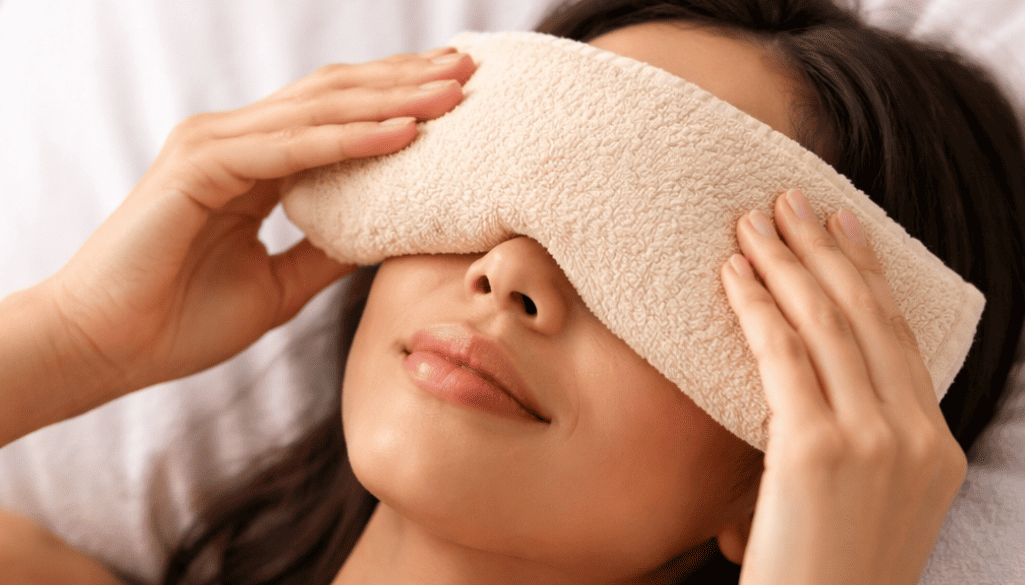
Warm compresses are often used when meibomian gland dysfunction is suspected. The aim is to warm the eyelid margins gently so that thickened oil in the glands may soften and flow more easily.
This can help support the oily layer of the tear film. When oil flow improves, tear evaporation may reduce and the eyes may feel more stable between blinks.
Warm compresses should be warm, not hot, because the eyelid skin and eye surface are delicate.
Eyelid Hygiene Is Not the Same as Washing the Face
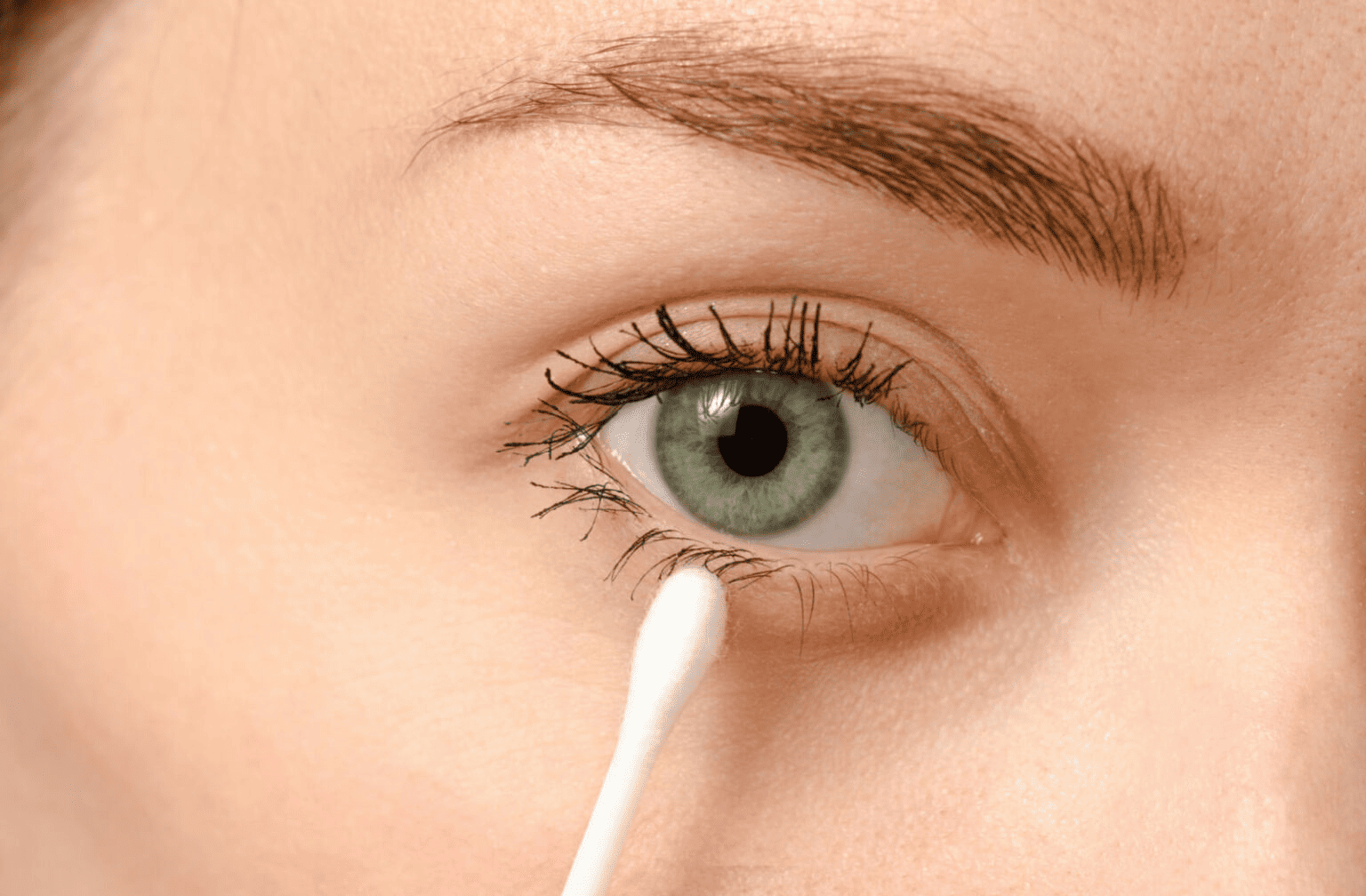
Some patients assume normal face washing is enough to clean the eyelids. While general facial cleansing is useful, eyelid hygiene is more specific. It focuses on the lid margins near the eyelashes, where meibomian gland openings and debris may be present.
Gentle eyelid care may include:
Applying a warm compress when recommended
Gently cleaning along the lash line
Avoiding harsh soaps near the eyes
Avoiding strong rubbing
Using suitable eyelid cleansing products if advised
Patients should avoid random home remedies around the eyes. Products that are safe for facial skin may still irritate the eyelid margin or ocular surface.
When Eyelid Hygiene May Be Most Helpful
Eyelid hygiene may be especially helpful when dry eye symptoms appear together with lid margin problems. For example, a patient may notice gritty eyes in the morning, crusting around the lashes, eyelid irritation, or symptoms that return quickly after using drops.
It may also be relevant for patients with meibomian gland dysfunction, blepharitis, or evaporative dry eye. In these cases, improving eyelid hygiene may support tear quality by reducing lid margin irritation and helping the oil glands function more effectively.
This is why dry eye care may involve more than screen breaks or eye drops alone. Eyelid care, airflow control, and visual habits may all help reduce daily tear film stress.
Common Mistakes to Avoid
Eyelid hygiene should be gentle and consistent. Over-cleaning or using unsuitable products may make irritation worse.
Patients should be careful to avoid:
Scrubbing the eyelids aggressively
Using hot compresses that feel uncomfortable
Applying strong soaps close to the eyes
Reusing dirty towels or cloths
Rubbing the eyes when the eyelids feel irritated
Using non-eye-safe products around the lash line
If eyelid care causes stinging, redness, or worsening discomfort, the method or product may need to be reviewed.
How Eyelid Hygiene Fits Into Dry Eye Management
Eyelid hygiene is one part of dry eye management. It does not replace all other treatments, and it may not be the main solution for every patient. Its role depends on the underlying cause of the symptoms.
For some patients, dry eye disease is mainly related to reduced tear production. For others, eyelid oil gland dysfunction may play a larger role. Many patients have a mixed pattern.
This is why dry eye management is usually tailored to the underlying mechanism, with eyelid hygiene used as one part of a broader care approach when lid margin disease or meibomian gland dysfunction is involved.
Conclusion
The importance of eyelid hygiene in dry eye management is closely linked to maintaining healthy meibomian gland function and a stable tear film. When the eyelid margins become inflamed or blocked, dry eye symptoms may become more persistent and uncomfortable.
Regular eyelid care, combined with appropriate dry eye management, may help support better long-term ocular comfort and tear film stability.
Persistent dry eye symptoms may indicate underlying eyelid disease, meibomian gland dysfunction, or other ocular surface conditions that require a comprehensive eye assessment. Eye doctors such as Dr. Calvin Lim Chung Yee, Consultant Ophthalmologist, may evaluate eyelid health and tear film function to determine the underlying cause of symptoms and recommend an appropriate management plan tailored to each patient’s condition.