Dry eye disease is a common eye condition that can affect comfort, vision, and daily activities. Many people describe it as a feeling of dryness, irritation, burning, or tired eyes. Some may also notice watery eyes, blurred vision, or discomfort when using digital screens for long periods. Although the name sounds simple, dry eye disease is not simply caused by a lack of tears.
Clinically, dry eye disease involves changes in the tear film and ocular surface. The tear film is the thin protective layer that covers the front surface of the eye to keep our eyes moist and comfortable. When this layer does not have enough tears, the tears evaporate too fast or the surface of the eye becomes inflamed, the eyes may no longer stay properly lubricated. This can lead to ongoing discomfort and fluctuating vision throughout the day. This article explains what dry eye disease is, why it happens, how symptoms may appear, and how it can be managed in clinical practice.
What Is Dry Eye Disease?
Dry eye disease is a multifactorial condition of the ocular surface. This means it can develop from several overlapping factors, including tear film instability, inflammation of eye surface, increased tear evaporation, reduced tear production, eyelid problems, environmental exposure, certain medications and changes in nerve sensitivity.
A healthy tear film is important to:
Keep the eye surface smooth and moist
Maintain a clear and comfortable vision
Protect the eye from irritation
Reduce friction when blinking
Help maintain ocular surface health
When the tear film is unstable or does not function properly, the surface of the eye may become dry and irritated. Over time, this can create a cycle where dryness leads to inflammation, and inflammation further worsens tear film quality.
How the Tear Film Works
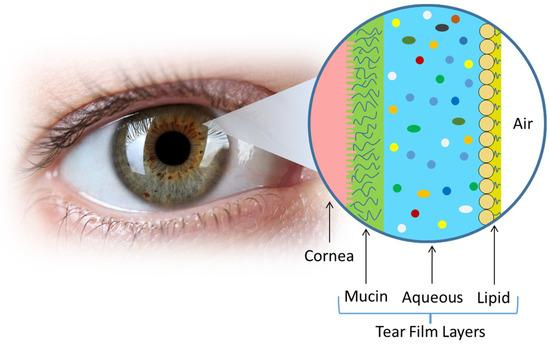
The tear film is made up of three key layers, each with a specific function:
- The lipid layer is the outermost oily layer. It helps slow down tear evaporation and helps to keep the tears on the eye for longer. This is produced by the meibomian glands along the eyelids. When this layer is unstable (not enough oil), tears may evaporate too quickly, leading to
evaporative dry eye.
The aqueous layer is the watery middle layer. It provides moisture, oxygen, and nutrients to the eye surface. When tear production is reduced, this may contribute to aqueous deficient dry eye.
- The mucin layer is the innermost layer. It helps the tears spread evenly and stay attached to the ocular surface. If this layer is disrupted, dry spots may form and cause irritation or
blurred vision.
A disruption in any of these layers can lead to tear instability, which is a central feature of dry eye disease.
Types of Dry Eye Disease
Dry eye disease is generally divided into two main types, though many patients experience a combination of both.
Comparison Area | Evaporative Dry Eye | Aqueous Deficient Dry Eye |
Main issue | Tears evaporate too quickly | Tears production is not enough |
Common mechanism | Often linked to meibomian gland dysfunction, not enough oil | Often linked to reduced tear production from lacrimal glands |
Tear film problem | Unstable lipid (oily) layer | Insufficient aqueous (watery) layer |
Common symptoms | Burning, stinging, fluctuating vision, eyelid irritation | Dryness, grittiness, irritation, tired eyes |
Common contributing factors | Blepharitis (eyelid inflammation), prolonged screen use, contact lenses wear , environmental exposure (dry or windy) | Ageing, hormonal changes, autoimmune conditions, certain medications |
Management focus | Improve eyelid health and reduce evaporation | Improve lubrication, support tear volume with eye drops and treat underlying cause if needed |
Why diagnosis matters | Treatment may focus more on eyelid and meibomian (oil) gland care | Treatment may focus more on tear replacement and medical evaluation |
Some patients may have a mixed dry eye disease, with both tear quality and tear production being affected. This is why clinical assessment is important, especially when symptoms persist or do not improve with basic lubricating eye drops.
Common Causes of Dry Eye Disease
Dry eye disease may develop due to internal, external, and lifestyle-related factors. Some patients have one main cause, while others may have several contributing factors at the same time.
Common causes and risk factors include:
Meibomian gland dysfunction, where the eyelid meibomian (oil) glands do not function properly
Age-related tear changes, especially after 40 or 50 years old, tears production and quality decline naturally
Hormonal changes, which may influence tear production and tear film stability
Prolonged digital screen use, which can reduce blink frequency, leading to increase tears evaporation
Environmental factors, such as air-conditioning, wind, smoke, or dry environments which increase tear evaporation
Contact lens wear, especially when lenses are worn for long hours without lubricant eyedrops
Certain medications, including some antihistamines, antidepressants, and blood pressure medications, which may reduce tear production
Eyelid inflammation or blepharitis, which can interfere normal tear film function
Autoimmune conditions, such as Sjogren syndrome which may reduce tear production by affecting the lacrimal glands
Previous eye surgery, including LASIK or other refractive procedures, which may affect tear production and corneal sensation temporarily or some cases, permanently
In practical terms, dry eyes often develop when the eyes do not produce enough of the watery part of tears, or when tears evaporate too quickly. Both can lead to the same result: an unstable tear film, causing an irritated, dry and uncomfortable ocular surface.
Why Dry Eye Symptoms Can Feel Different for Each Patient
Dry eye disease does not always feel like simple dryness. Symptoms vary from person to person. Some patients notice burning, stinging, grittiness, or a foreign body sensation, while others may experience excessive tearing eyes, which can feel confusing.
Excessive tearing can happen when the eye surface becomes irritated and triggers reflex tearing. These tears may be watery and unstable, so they do not always lubricate the eyes effectively.
Common symptoms of dry eye disease may include:
dry, scratchy, or gritty eyes
burning or stinging sensation
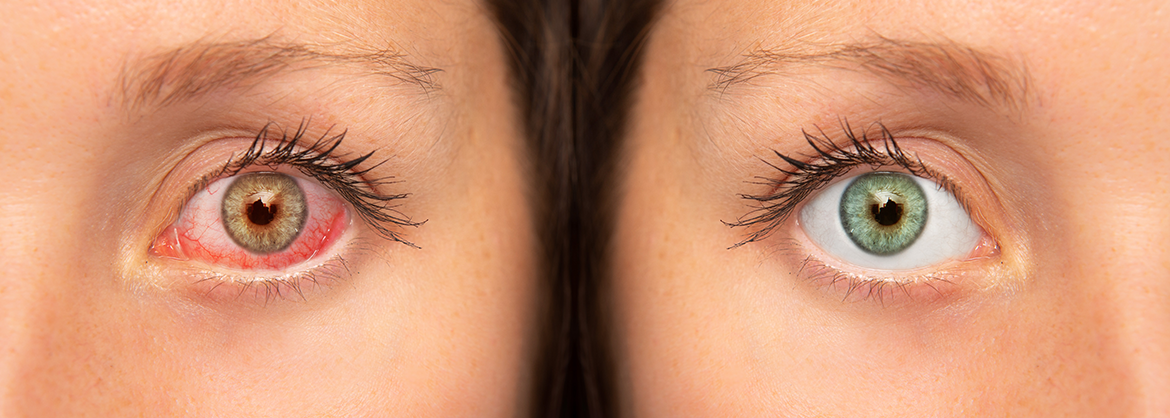
redness or irritation
watery eyes
blurred or fluctuating vision
sensitivity to light
eye fatigue
discomfort when wearing contact lenses
difficulty reading or using digital screens for long periods
discomfort in air-conditioned rooms, windy or dry environments
Symptoms may also worsen later in the day, especially after prolonged screen use, repeated environmental exposure, or contact lens wear.
How Dry Eye Disease Can Affect Vision and Daily Life
Dry eye disease can affect more than just comfort. The tear film sits over the front surface of the eye, and plays an important role in maintaining clear vision. When the tear film breaks up too quickly, vision may become blurry or unstable throughout the day. Patients may notice that their vision becomes clearer immediately after blinking, but gradually becomes blurred again as tear film breaks up. This can affect reading, driving, studying, computer work, and concentration.
Dry eye disease may also make night driving more challenging . Glare, light sensitivity, and fluctuation in vision can become more noticeable when the tear film is unstable. For some patients, symptoms remain mild and occasional. For others, dry eye disease can become chronic and require long-term management.
How Dry Eye Disease Is Diagnosed
A clinical diagnosis usually starts with a discussion of symptoms, lifestyle habits, medical history, medication use, contact lens wear, and previous eye procedures.
An eye care professional may assess:
tear film stability
tear volume
eyelid (including meibomian gland) health)
signs of ocular surface inflammation
staining patterns on the eye surface
blink quality and blink frequency
The aim is to understand both the symptoms and the underlying mechanism. This matters because dry eye management should be guided by the likely cause. For example, evaporative dry eye linked to meibomian gland dysfunction may need eyelid-based treatment, while reduced tear production may require a different approach.
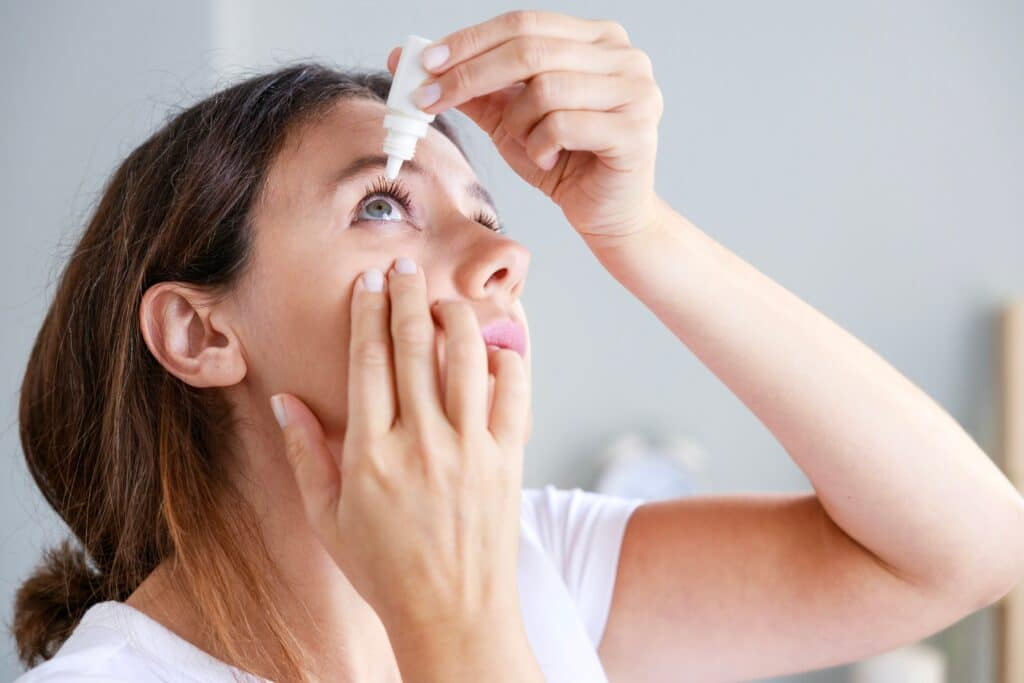
Management Options for Dry Eye Disease
Dry eye management depends on severity, cause, lifestyle factors, and clinical findings. Mild cases may improve with simple adjustments, while persistent or more severe cases may need structured treatment.
Common management approaches include:
Artificial Tears and Lubricating Eye Drops
Artificial tears can help improve comfort by adding lubrication to the eye surface. They may be useful for mild or occasional symptoms. Patients who need drops frequently may be advised to consider preservative-free options, especially for long-term use.
Eyelid Hygiene and Warm Compresses
For patients with meibomian gland dysfunction or blepharitis, eyelid care is important. Warm compresses can help soften thickened oils trapped in the meibomian glands, while eyelid hygiene helps reduce debris and inflammation around the eyelid margin.
Environmental and Lifestyle Adjustments
Small daily changes may help reduce symptom triggers. These may include:
Taking regular screen breaks
Full blinking consciously during screen use
Avoiding direct airflow from fans or air-conditioning
Using protective eyewear in windy or dusty environments
Staying hydrated
Improving sleep habits
Adjusting contact lens wear if discomfort occurs
The 20-20-20 rule may also be helpful for screen users. This means looking at something around 20 feet away (6 meter) for 20 seconds every 20 minutes.
Medical Treatment When Needed
You should consider an eye assessment if:
Symptoms are persistent or worsening
Vision becomes blurred or unstable
Discomfort affects daily activities
Over-the-counter solutions do not provide relief
Treatment should be guided by a qualified eye care professional, especially if symptoms are persistent, worsening, or affecting vision.
Conclusion
Dry eye disease is a common and often manageable condition that involves both the tear film and the ocular surface. While symptoms may vary, understanding the underlying causes and mechanisms helps support more effective care.
With proper assessment, consistent management, and simple lifestyle adjustments, many people are able to maintain comfortable vision and reduce the impact of dry eye on daily life.
Patients experiencing persistent dry eye symptoms, fluctuating vision, or ongoing eye discomfort should undergo a comprehensive assessment with an ophthalmologist. Eye doctors such as Dr. Azhar Bin Zainuddin, Consultant Ophthalmologist, evaluate important factors including tear film stability, meibomian gland function, tear production, ocular surface health, and underlying contributing conditions to determine the cause of dry eye disease. They also provide personalised management plans, lifestyle advice, and appropriate treatment options to help improve long-term eye comfort, protect the ocular surface, and maintain visual quality.