By VISTA Eye Specialist Malaysia
Introduction to Pink Eye
Pink eye, medically known as conjunctivitis, refers to inflammation of the conjunctiva. This thin, transparent membrane lines the eyelid and covers the white part of the eyeball. This condition is common among children and can be caused by a viral infection, bacterial infection, or an allergic reaction. While viral and bacterial conjunctivitis are contagious, allergic conjunctivitis is not and is instead triggered by environmental allergens such as pollen, pet dander, or dust mites.
Typical pink eye symptoms include eye redness, itching, burning, watery or sticky discharge, swollen eyelids, and sometimes eye pain in one or both eyes. Prompt diagnosis and treatment are important to manage symptoms and prevent spreading, particularly for the infectious types.
Types of Conjunctivitis
There are three main types of conjunctivitis:
- Viral conjunctivitis: Often linked to colds or respiratory infections. Highly contagious and usually spreads through direct or indirect contact.
- Bacterial conjunctivitis: Can cause more noticeable discharge and may require prescribed antibiotic eye drops for recovery. Also highly contagious.
- Allergic conjunctivitis: Triggered by allergens, often alongside other allergy symptoms like sneezing or nasal congestion. Not contagious.
Causes and Risk Factors
Pink eye can develop due to:
- Infections: Viral (e.g., adenovirus) and bacterial (e.g., Staphylococcus aureus) infections are the most common causes.
- Allergic reactions: Exposure to pollen, dust mites, or pool chlorine can trigger allergic conjunctivitis and cause eye irritation.
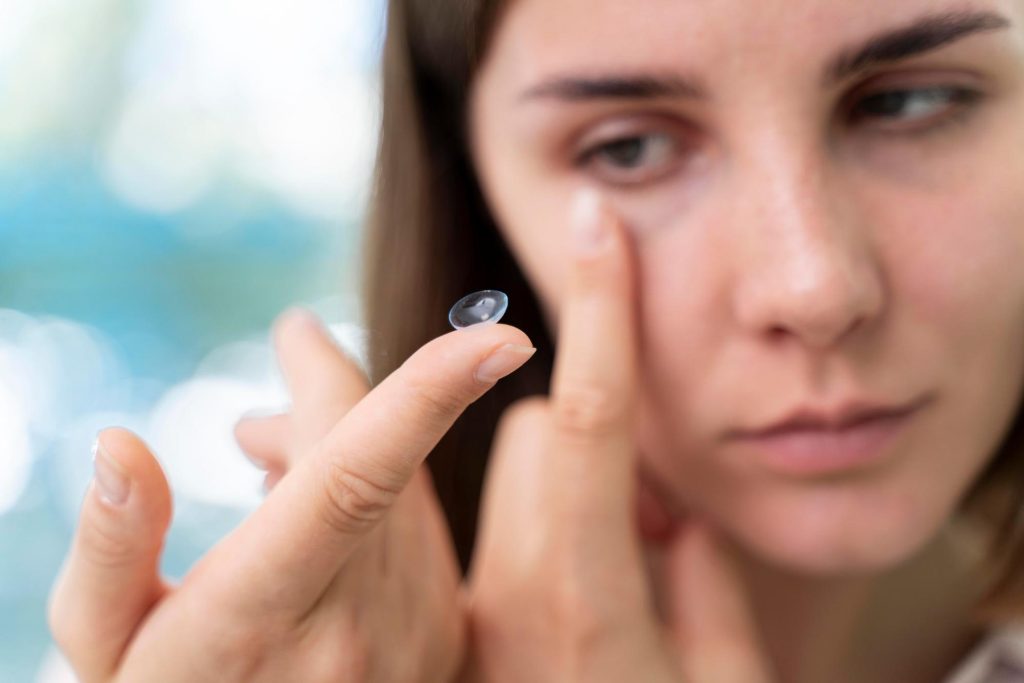
- Contact lens misuse: This is especially true if lenses are not cleaned or worn as directed. Risk factors include sleeping in contacts, using expired or improper solutions or not replacing lenses as recommended.
- Foreign body: A foreign body in the eye (e.g., dust, eyelash, debris) can cause irritation.
- Blocked Tear Ducts and Neonatal Conjunctivitis: In newborns, a blocked tear duct or neonatal conjunctivitis (also known as ophthalmia neonatorum) can lead to eye discharge, swelling, and redness. Causes may include exposure to bacteria during childbirth. These conditions require urgent medical treatment to prevent serious eye damage or vision problems.
Preventing Eye Pain and the Spread of Pink Eye Infections
Preventing the spread of infection is crucial when dealing with pink eye (conjunctivitis)—particularly in environments where children are in close contact, such as schools, daycare centres, and playgroups.
Thus, practising good hygiene is the first line of defense against the spread of pink eye.
Key Prevention Tips:
- Wash your hands frequently, especially before touching your eyes or handling contact lenses.
- Avoid rubbing your eyes, as this can spread infection to the other eye or to others.
- Do not share personal items like towels, washcloths, makeup tools, eye drops, or eyeglasses, which can transmit bacteria and viruses.
- Regularly disinfect surfaces and objects that come into contact with your face or eyes, including pillowcases, bedsheets, eyewear, and makeup brushes.
For Contact Lens Wearers:
- Follow your eye care provider’s instructions for cleaning and disinfecting lenses.
- Consider switching to daily disposable contact lenses, which reduce the risk of infection by eliminating the need for repeated handling and storage.
- Stop wearing contact lenses if you notice any symptoms of pink eye, and resume only after full recovery and professional clearance.
By maintaining proper hygiene and taking preventive measures, you can significantly reduce the risk of eye infections and help protect your family and community from the spread of viral or bacterial conjunctivitis.
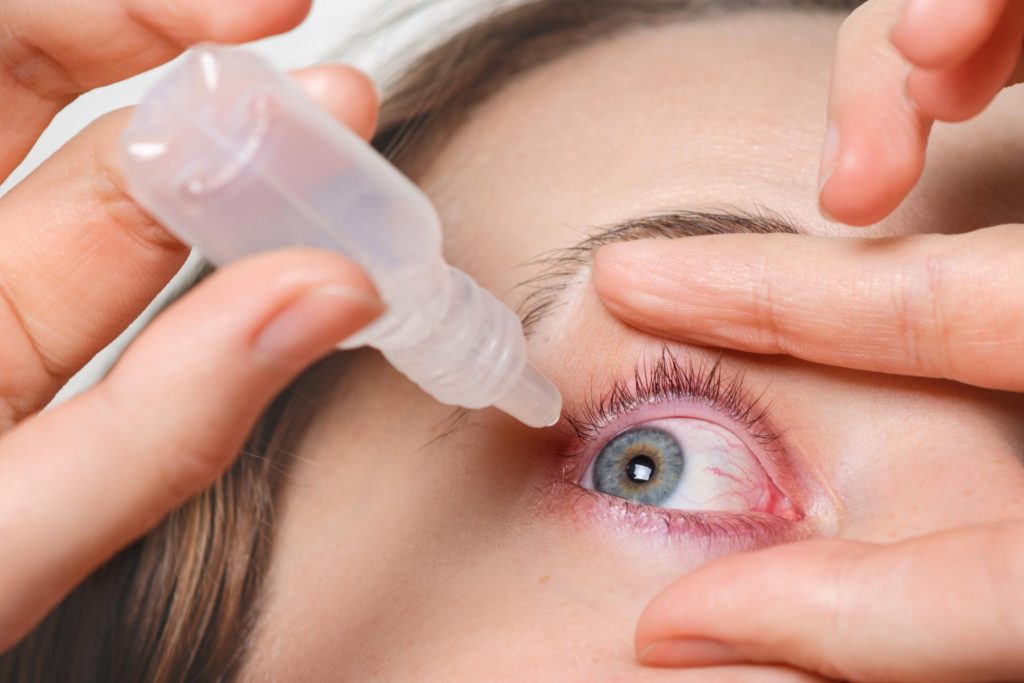
Diagnosing Pink Eye (Conjunctivitis)
To determine the cause and type of conjunctivitis, an eye care professional may perform several examinations. These help confirm the diagnosis and guide appropriate treatment:
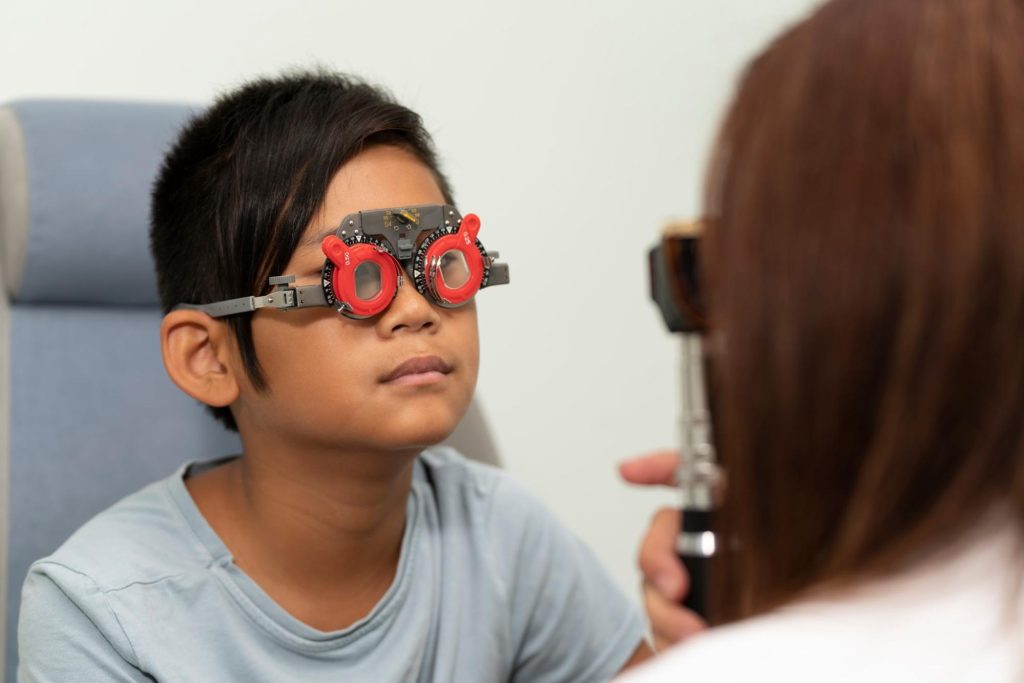
Common Diagnostic Methods:
Visual acuity test – Assesses how well you see at various distances and checks for any impact on vision.
Slit-lamp examination – Uses a special microscope with a light to examine the front structures of the eye (including the conjunctiva and cornea) in detail.
Fluorescein staining – Involves placing a special dye in the eye to highlight damage or involvement of the cornea.
Microbiological testing – In certain cases, a sample of eye discharge may be collected and sent to a lab to identify the causative organism, especially if:
- The condition is severe or unresponsive to treatment
- A neonatal infection is suspected
- There is concern for atypical pathogens (e.g., Chlamydia or Gonorrhea)
These diagnostic steps help differentiate between bacterial, viral, allergic, or other causes of conjunctivitis, ensuring that treatment is targeted and effective.
Pink Eye Treatment Options
Treatment for pink eye (conjunctivitis) depends on the underlying cause. Proper diagnosis by an eye care professional is essential for effective management.
- Bacterial conjunctivitis: Often treated with prescribed antibiotic eye drops. Symptoms often improve within a few days of starting treatment.
- Viral conjunctivitis: Usually resolves on its own within 7 to 14 days. Supportive care such as artificial tears, cold compresses and maintaining good hygiene can help relieve discomfort. Antiviral medication may be prescribed in rare cases caused by viruses like herpes simplex.
- Allergic conjunctivitis: Managed with allergy medications or eye drops to relieve itching, redness, and tearing, and minimizing exposure to allergens.
The appropriate pink eye treatment depends on the underlying cause and should be guided by a healthcare professional. Following their instructions ensures safe and effective relief, and helps prevent complications or recurrence.

Symptom Relief and Home Care
To help your child feel more comfortable and promote faster healing during a bout of pink eye, consider the following home care tips:
- Warm compresses can help soften and loosen any crusted discharge around the eyes, making it easier to clean.
- Cold compresses provide relief from itching, swelling, and irritation, especially in allergic or viral conjunctivitis.
- Artificial tears or lubricating eye drops can reduce dryness and discomfort. Opt for preservative-free formulas if frequent use is needed.
- Pain relievers such as paracetamol or ibuprofen may be used to ease mild discomfort or fever, but only under the guidance of a healthcare professional.
- Encourage your child to avoid rubbing their eyes, as this can worsen irritation and spread infection.
- Children who wear contact lenses should stop wearing them during active symptoms and only resume use after full recovery and medical clearance.
When to Seek Medical Attention
You should consult an eye doctor if your child experiences:
- Persistent or worsening symptoms despite home care
- Severe pain, light sensitivity, or blurred vision
- Signs of systemic infection (fever, swollen lymph nodes)
- Pink eye in a newborn
Certain types of conjunctivitis, especially in newborns or when symptoms are severe, can lead to complications if not properly treated. Prompt medical evaluation ensures appropriate treatment and helps prevent issues like corneal damage or vision impairment.
Returning to School or Daycare

Children with contagious pink eye should stay home until their doctor advises it is safe to return. Generally, bacterial pink eye is no longer contagious after 24–48 hours of starting antibiotics. For viral pink eye, there is no specific treatment, and children should stay home until symptoms (especially eye redness and discharge) have resolved, as it can remain contagious for several days. Good hygiene habits, including frequent hand washing and not sharing personal items, are essential for preventing further spread.
Conclusion
Pink eye is common in children and, while often mild, requires proper care to avoid complications. If you suspect your child has pink eye, consult a qualified eye care provider for a thorough evaluation and advice on management.