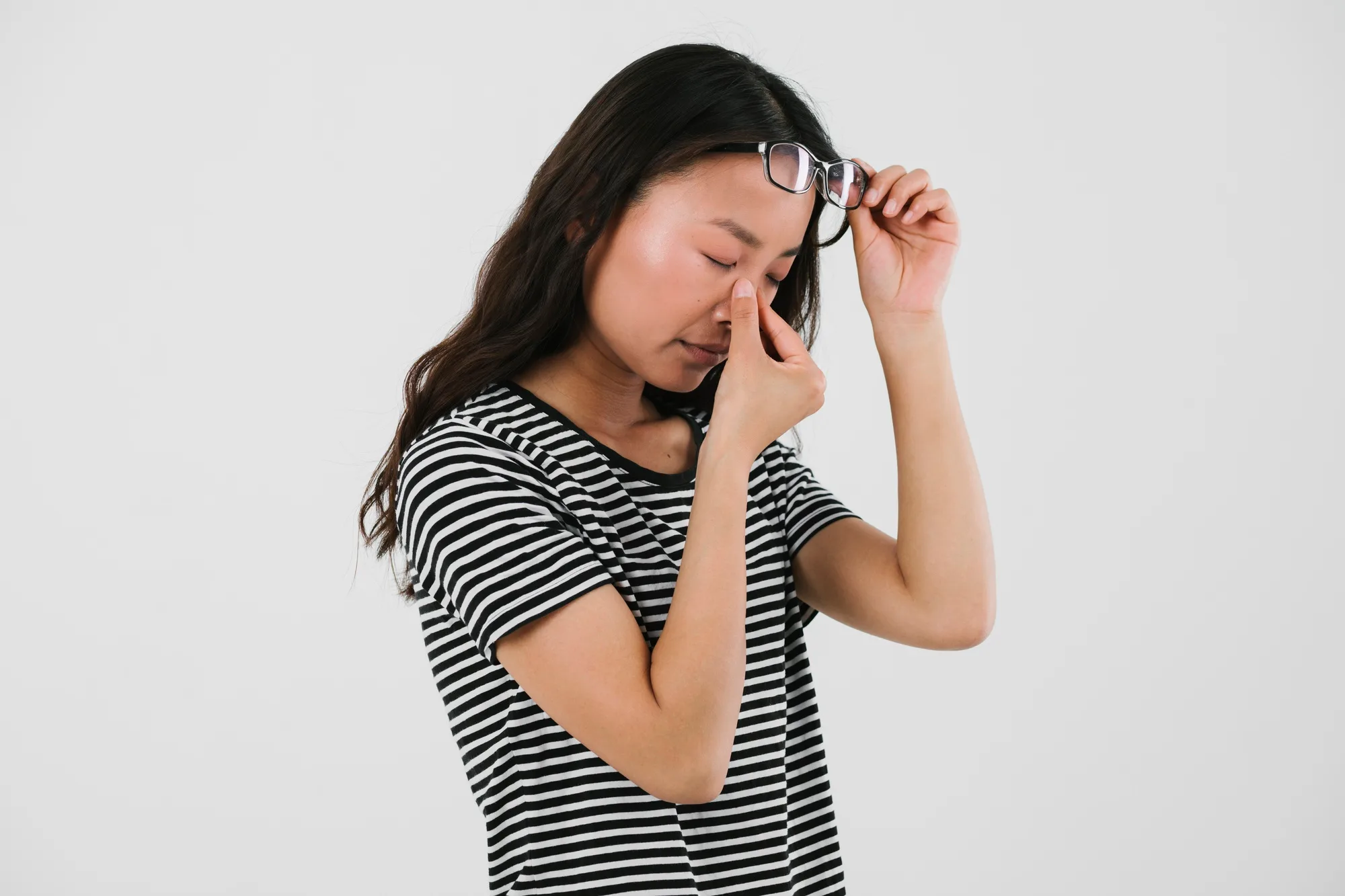
Many people wear contact lenses comfortably for years before gradually noticing increasing dryness, irritation, or discomfort. Lenses may start feeling uncomfortable earlier in the day, vision may fluctuate more during wear, or the eyes may become tired after prolonged use.
In many cases, this change is linked to dry eye disease and tear film instability. As the ocular surface becomes less stable, the eyes may struggle to maintain the same level of comfort during contact lens wear.
This article explains why contact lens tolerance may decline in patients with dry eye disease, what symptoms are commonly seen, and what factors may contribute to worsening comfort over time.
What Contact Lens Tolerance Means
Contact lens tolerance refers to how comfortably the eyes can wear contact lenses over time.
Good tolerance usually means:
Lenses remain comfortable throughout the day
Vision stays relatively stable
The eyes do not become excessively dry or irritated
The lenses do not feel constantly noticeable on the eyes
When tolerance declines, lens wear may start feeling more difficult. A patient who could previously wear lenses for a full day may now need to remove them earlier, switch to glasses more often, or avoid lenses during long workdays.
How Dry Eye Disease Affects Contact Lens Comfort
Contact lenses sit on the tear film that covers the front surface of the eye. This means a healthy tear film helps keep the lens moist, reduces friction during blinking, and supports clearer vision during wear.
When dry eye disease develops:
Tears may evaporate more quickly
The tear film may become less stable
The lens surface may dry out faster
Friction between the lens, eyelid, and eye surface may increase
This can make lenses feel dry, irritating, or harder to tolerate over time. Some patients may also notice that vision becomes less stable during lens wear, especially after long hours of screen use or exposure to air-conditioning.
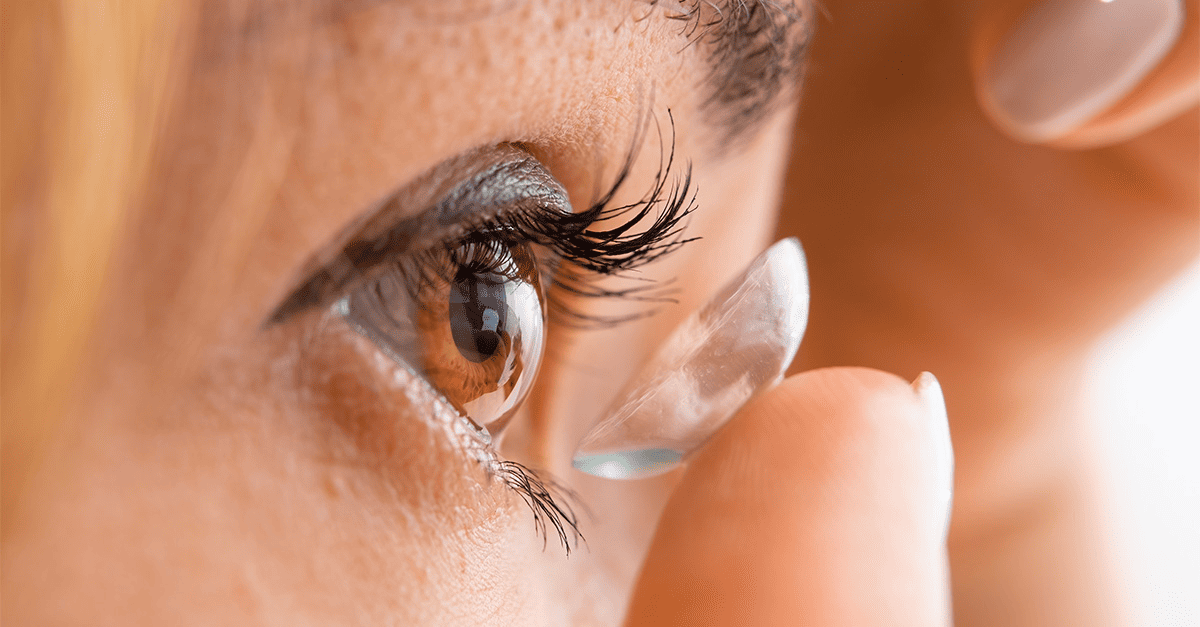
Common Signs of Reduced Contact Lens Tolerance
Reduced contact lens tolerance may develop gradually. At first, patients may only notice mild dryness after a long day. Over time, symptoms may appear earlier or become more disruptive.
Common signs include:
Dryness during lens wear
Burning or stinging sensation
Blurred or fluctuating vision
Lenses becoming uncomfortable earlier in the day
Increased awareness of the lenses on the eyes
Needing to remove lenses more frequently
Some patients may feel comfortable wearing lenses in the morning, but by afternoon or evening, the lenses may feel dry, tight, or irritating. This is a common pattern when tear film stability declines during the day.
Why Symptoms Often Worsen During Screen Use
Screen-related habits can worsen both dry eye disease and contact lens discomfort. During screen use, people tend to blink less frequently. Some blinks may also be incomplete, which means the tear film may not spread evenly across the lens and eye surface.
Screen-Related Factor | Effect on Contact Lens Comfort |
Reduced blinking | Tears are not spread as regularly across the lens surface |
Long screen sessions | The ocular surface may become more stressed over time |
Incomplete blinking | The tear film may not coat the lens evenly |
Air-conditioned environments | Tear evaporation may increase during lens wear |
Small text or prolonged focus | Eye fatigue may become more noticeable |
This is why symptoms are often more noticeable during office work, studying, online meetings, or long phone use. For contact lens wearers, these activities may also make dryness feel more obvious and reduce comfortable wearing time.
Why Tolerance May Decline Over Time
A patient may wonder why contact lenses that used to feel comfortable have become harder to wear. This can happen because both the tear film and the eye surface may change over time.
Several factors may contribute:
Age-related tear changes that affect tear production or stability
Meibomian gland dysfunction that causes faster tear evaporation
Reduced blinking during screen use
Air-conditioning that increases tear evaporation
Contact lens deposits that make the lens surface less comfortable
Eyelid inflammation that increases irritation during blinking
This helps explain why some patients gradually move from full-day comfort to needing to remove their lenses earlier.
Why Some Patients Stop Wearing Contact Lenses
In more symptomatic cases, patients may gradually reduce or stop contact lens wear because the eyes can no longer maintain enough comfort during daily use.
Patients may:
Reduce wearing hours
Switch back to glasses more frequently
Avoid lenses during long workdays
Stop wearing lenses in air-conditioned environments
Remove lenses earlier when vision becomes unstable
This does not always mean contact lenses are permanently unsuitable. In some cases, better dry eye disease management, improved eyelid health, or changes to lens habits may help improve comfort.
Contact Lens Tolerance: Dry Eye vs Lens-Related Issues
Declining tolerance may be linked to dry eye disease, but lens-related factors can also contribute.
Possible Cause | What Patients May Notice |
Dry eye disease | Discomfort with dryness, burning, grittiness, or fluctuating vision |
Lens fit issue | Lens movement, awareness, or irritation in specific eye positions |
Lens surface deposits | Lens feels less smooth or becomes uncomfortable faster |
Lens solution sensitivity | Irritation after insertion or lens cleaning |
Long wearing time | Comfort declines after several hours |
Eyelid inflammation | Discomfort during blinking or recurring irritation |
In many patients, more than one factor is involved. For example, mild dry eye, long screen hours, air-conditioning, and lens deposits may all contribute to reduced comfort.
Ways to Improve Contact Lens Comfort
Several strategies may help improve lens tolerance in patients with dry eye disease, depending on the cause of discomfort.
Improve Tear Film Stability
Managing dry eye disease may help reduce ocular surface irritation and improve lens comfort. This may involve lubricating eye drops, environmental adjustments, or treatment for underlying tear film instability.
Take Regular Screen Breaks
Blinking more often and completely may help support tear distribution. Patients who spend long hours on screens may benefit from short breaks and more conscious blinking.
Maintain Good Lens Hygiene
Proper cleaning habits can help reduce additional irritation. Patients should follow the recommended cleaning method, replacement schedule, and lens care instructions.
Use Lubricating Eye Drops if Appropriate
Some artificial tears are suitable for contact lens wearers, though not all drops can be used with lenses. Compatibility should be checked before use.
Address Eyelid and Meibomian Gland Health
Warm compresses and eyelid care may help improve tear quality when meibomian gland dysfunction or lid margin inflammation is involved.
Review Wearing Time
Patients who experience discomfort every day may need to reduce wearing hours or alternate with glasses while the underlying issue is being managed.
Can Patients With Dry Eye Still Wear Contact Lenses?
Some patients with dry eye disease can still wear contact lenses comfortably with the right lens type, care routine, and management plan. Others may need to reduce wearing time, change lens type, address eyelid inflammation, or manage tear film instability first.
Patients should avoid forcing contact lens wear when the eyes are persistently red, painful, very light-sensitive, or vision becomes reduced, as these symptoms may suggest a problem that needs closer attention.
Conclusion
Contact lens tolerance may decline in patients with dry eye disease because tear film instability makes the ocular surface less comfortable during lens wear. Over time, dryness, increased evaporation, and meibomian gland dysfunction may all contribute to worsening discomfort and fluctuating vision.
Understanding this connection can help patients recognise why lenses may become harder to tolerate and why managing dry eye disease is often important for maintaining long-term contact lens comfort.
Persistent discomfort while wearing contact lenses should not be ignored, as it may indicate an underlying tear film or ocular surface problem. A comprehensive eye assessment can help determine whether dry eye disease, meibomian gland dysfunction, eyelid inflammation, contact lens-related factors, or other ocular surface conditions are contributing to the symptoms.
Eye doctors such as Dr. Calvin Lim Chung Yee, Consultant Ophthalmologist, may evaluate the tear film, ocular surface, and eyelid health to identify the underlying cause of reduced contact lens tolerance and recommend appropriate management based on each patient’s condition.