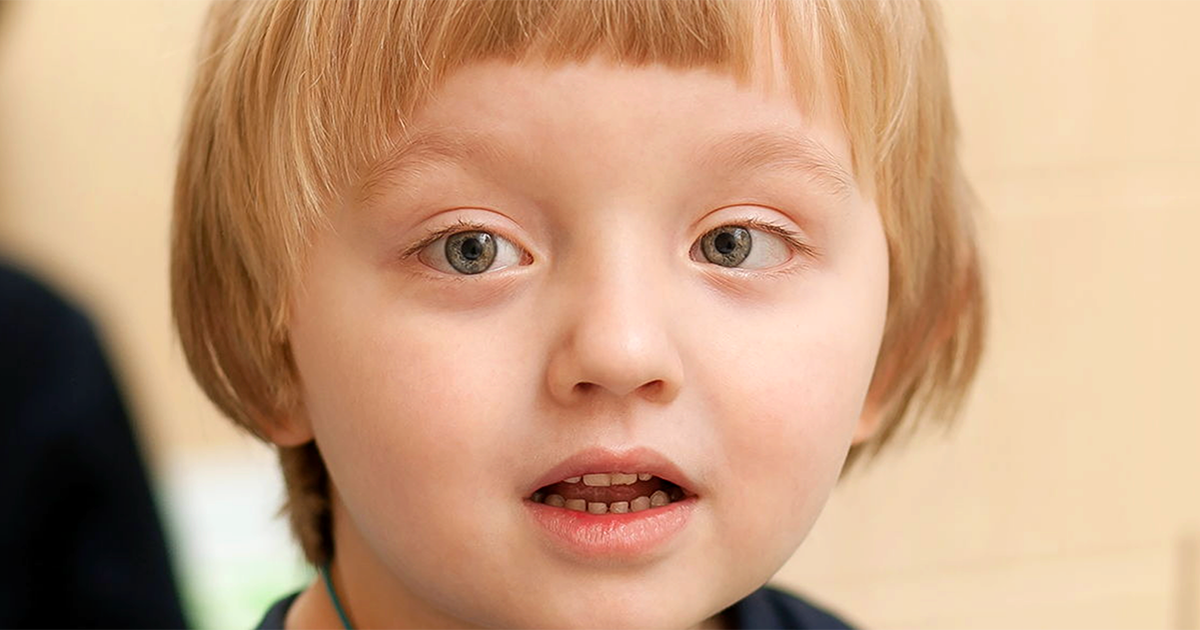
Amblyopia, commonly called “lazy eye,” is a childhood vision condition where one eye, or sometimes both eyes, does not develop normal vision properly. This can happen when the brain receives clearer visual input from one eye and begins to rely more on that eye, while the weaker eye is used less. Over time, the weaker eye may fall behind in visual development. Common causes include eye misalignment, unequal glasses prescription, or other eye conditions that affect clear vision during childhood.
Many parents wonder whether amblyopia can run in families. When a child develops amblyopia, it is natural to ask whether genetics may have played a role, especially if a parent or sibling had similar vision problems during childhood.
Amblyopia itself is not usually inherited in a simple, direct way. However, some of the conditions that increase the risk of amblyopia can have a genetic or familial tendency. This means family history may influence a child’s likelihood of developing visual problems associated with amblyopia.
This article looks at whether amblyopia is hereditary, how family history may affect risk, which related eye problems tend to run in families, and why heredity is only one part of the picture. It also explains why some children with a strong family history may still have healthy visual development, while others may develop amblyopia even without an obvious family history.
So, Is Lazy Eye Hereditary?
The most accurate answer is that it can have hereditary influences, but it is not usually passed down in a simple one-gene pattern. Research and clinical reviews support a genetic contribution to several amblyopia-related conditions, especially strabismus and certain refractive patterns. Because strabismus is one of the main pathways that can lead to amblyopia, family history can be clinically relevant.
In practical terms, a child with a family history of crossed eyes, a strong glasses prescription, or childhood amblyopia may have a higher risk of developing similar visual problems. At the same time, heredity is only part of the picture. Visual development is also influenced by timing, environment, screening, and how early the underlying issue is detected and treated.
How Family History Raises Risk
Family history matters because some of the conditions linked to amblyopia show clear familial patterns.
Strabismus
This is one of the strongest hereditary links in the amblyopia pathway. Because strabismus often runs in families and may cause the brain to suppress one eye, it is one of the most important inherited risk factors related to amblyopia.
Refractive error
A child may also inherit a tendency toward long-sightedness, astigmatism, or a large difference in prescription between the two eyes. If one eye is much blurrier than the other and the imbalance is not corrected early, the brain may begin to rely more on the clearer eye, which increases the risk of amblyopia. Untreated refractive errors in children can contribute to amblyopia.
Rare inherited eye disorders
In a smaller number of cases, amblyopia may occur alongside a rarer inherited eye condition affecting the cornea, lens, retina, eyelid, or early visual development. In these situations, the hereditary link may relate more to the underlying eye disorder than to amblyopia itself.

What Genetics Can And Cannot Explain
Genetics may help explain why a child is more likely to develop the types of eye problems that can lead to amblyopia, but it does not explain everything. A child with a strong family history may never develop amblyopia if vision develops well and any eye problems are detected and managed early. Another child may have no obvious family history and still develop amblyopia because of an untreated refractive error, early eye misalignment, or another visual problem during the critical years of visual development.
That is why it is more accurate to say that amblyopia can have hereditary influences, not that it is always directly inherited.
Comparison Table: Heredity And Amblyopia Risk
| Factor | What it may mean |
| Family history of strabismus | May raise the chance of eye misalignment and related amblyopia risk |
| Family history of strong refractive error | May increase the chance of unequal or blurry visual input in childhood |
| No family history | Does not rule out amblyopia |
| Known inherited eye disease | May increase amblyopia risk if it affects early visual development |
| Early screening and treatment | Can reduce the impact of inherited risk by detecting problems sooner |
Why Early Screening Matters Even More When There Is Family History
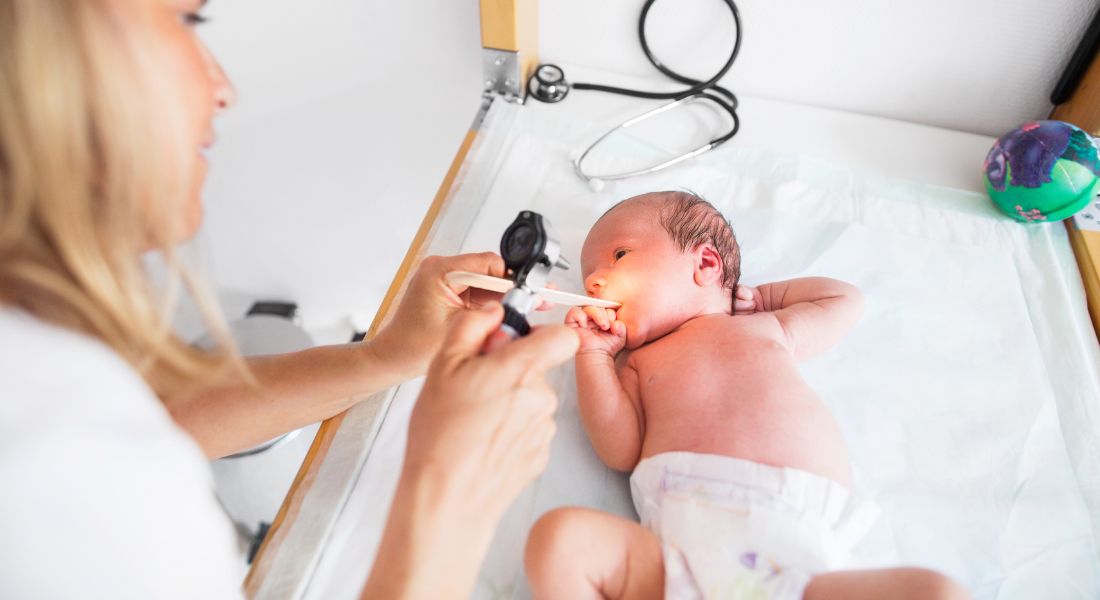
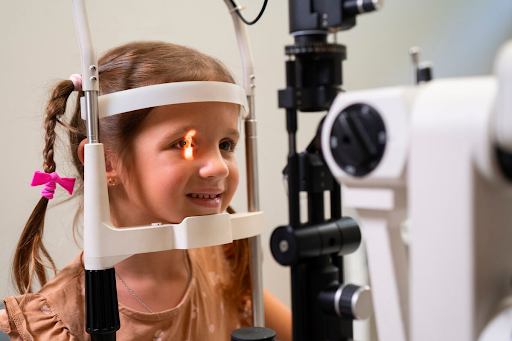
If a parent or sibling had amblyopia, strabismus, or needed strong glasses early in life, it is a good reason to take childhood eye checks seriously. Many children do not complain about reduced vision because the stronger eye can compensate very well.
In families with known childhood visual issues, early screening becomes even more valuable because it may detect problems before the weaker eye falls behind for too long.
This does not mean parents need to be alarmed. It means they should stay attentive. A family history is best seen as a reason to screen earlier and follow up properly, not as proof that a child will definitely develop lazy eye.
Signs that may deserve closer attention
When there is a strong family history, it is worth paying closer attention to signs such as:
- one eye turning in or out
- frequent squinting
- head tilting
- clear preference for using one eye
- delayed visual attention or difficulty with tracking
- unusually early need for glasses
These signs do not confirm amblyopia on their own, but they do support the need for timely eye assessment.
Does genetic testing help?
For routine childhood amblyopia, genetic testing is not usually part of standard care. This is because most amblyopia cases are linked to common visual-development problems such as refractive error or strabismus, rather than a single known gene mutation.
Genetic testing may become more relevant when there are signs of a broader inherited eye disorder, developmental syndrome, or unusual clinical findings that suggest something beyond typical amblyopia.
For most families, the key step is not genetic testing. It is early eye examination, screening, and treatment of the underlying cause.
What This Means For Parents
Parents may wonder whether they have passed lazy eye on to their child. The more accurate and helpful answer is that they may have passed on a higher risk of the visual conditions that can lead to amblyopia, especially if there is a family history of strabismus or strong refractive error. That does not make amblyopia inevitable, and it does not mean anything was done wrong.
What matters most is what happens next. If risk is recognised early, children have a better chance of being identified, monitored, and treated at the important stage of visual development.
For children who may have amblyopia or who have a family history of childhood eye conditions, it may be useful to seek an eye assessment with an ophthalmologist. Where appropriate, assessment may be guided by a doctor such as Dr. Nazrah Mohamed Ramli, Consultant Ophthalmologist.
Conclusion
Genetic factors may influence the risk of amblyopia because conditions such as strabismus and significant refractive error can run in families. Although lazy eye itself is not always inherited directly, family history can increase the likelihood of developing amblyopia-related risk factors during childhood.
Understanding this connection highlights the importance of early eye screening and monitoring, especially in children with a known family history of visual problems.