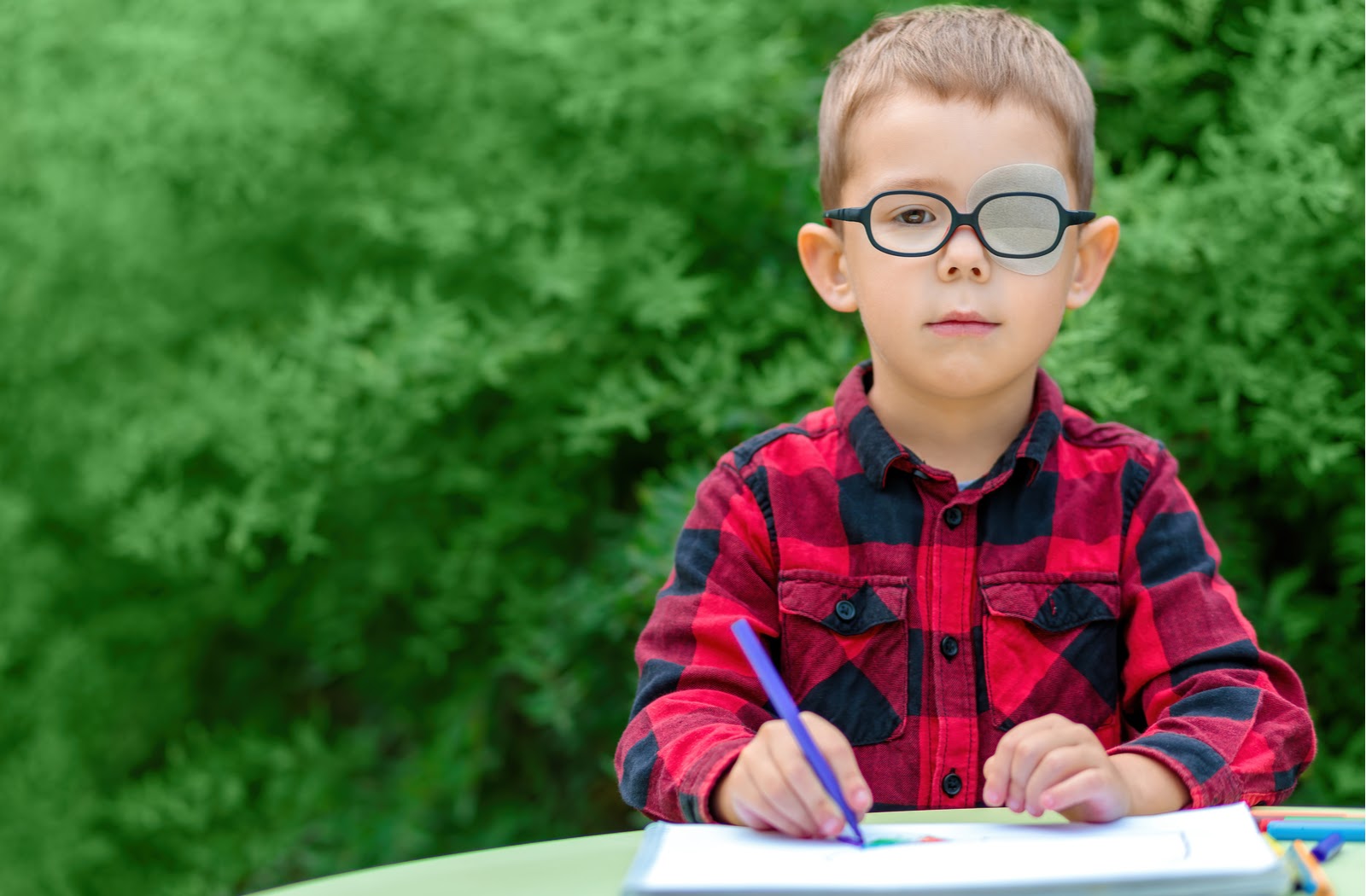
When discussing amblyopia treatment in children, glasses are usually the first form of visual correction that comes to mind. However, in some situations, contact lenses may also play a role in helping manage amblyopia or the conditions associated with it. Depending on the child’s visual needs, contact lenses may sometimes provide practical or optical advantages that support visual development.
This does not mean contact lenses are suitable for every child with amblyopia. Their use depends on factors such as the child’s age, prescription, eye condition, ability to handle lenses safely, and the recommendation of the eye care professional.
This article looks at when contact lens use may be considered in pediatric amblyopia care, why they may help in some children, what the practical limitations are, and what parents should keep in mind before deciding whether lenses are a good fit for their child.
Why Contact Lenses May Be Considered In Some Children
In pediatric amblyopia care, one of the first priorities is to make sure each eye is receiving the clearest possible image. This is especially important in anisometropia, where the two eyes have significantly different prescriptions. If one eye stays blurrier than the other for too long, the brain may rely more heavily on the clearer eye. Refractive correction, whether through glasses or contact lenses, is therefore an important part of treatment.
In some children, contact lenses may offer visual advantages over spectacles, particularly when the prescription difference between the two eyes is large. They can reduce some of the image-size differences and optical distortion that spectacles may create in stronger prescriptions. This may help provide more balanced visual input in selected cases.
When Contact Lenses May Be More Useful
Contact lenses are not routinely used for every child with amblyopia, but they may be considered in certain situations.
Large anisometropia
This is one of the most important scenarios. When the prescription difference between the two eyes is large, spectacles can sometimes create unwanted optical effects, including differences in image size between the eyes. In these cases, contact lenses may provide more balanced visual correction.
When spectacles are poorly tolerated
Some children do not tolerate spectacles well because of comfort, lens thickness, optical distortion, or difficulty adapting. In selected cases, contact lenses may be considered when glasses are not giving the best practical or visual outcome.
Special pediatric refractive needs
There are also pediatric situations, such as aphakia or other therapeutic indications, where contact lenses may be used as part of broader visual rehabilitation. While this is not the same as routine amblyopia correction, it shows that contact lenses already have an established role in some areas of pediatric eye care.
Glasses vs Contact Lenses In Pediatric Amblyopia Care
| Option | Potential benefit | Main limitation |
| Glasses | Common first-line correction and easier to manage daily | May cause distortion or image-size differences in higher anisometropia |
| Contact lenses | May provide better visual quality and less aniseikonia, or image-size difference in selected cases | Need good hygiene, supervision, and child-family cooperation |
| Glasses plus patching | Familiar and widely used combined approach | The child may still struggle with comfort or optical imbalance |
| Contact lenses plus patching | May help when clearer refractive correction is needed alongside amblyopia treatment | Not suitable for every child and needs careful monitoring |
This is why the decision is usually not about whether contact lenses are “better” in general. It is about whether they are a better fit for the child’s specific refractive and practical needs.
Can Contact Lenses Treat Amblyopia On Their Own?
In some cases, refractive correction alone can improve vision in the amblyopic eye, especially in anisometropic amblyopia(happens when a significant prescription difference between the two eyes causes one eye to receive a blurrier image, leading the brain to rely more on the clearer eye). That improvement may occur with glasses or contact lenses, depending on how the refractive error is being corrected.
However, if amblyopia remains after an adequate period of refractive correction, additional treatment such as patching or atropine may still be needed. In most children, contact lenses are best understood as a way to provide appropriate refractive correction, not as a full replacement for the rest of amblyopia treatment.
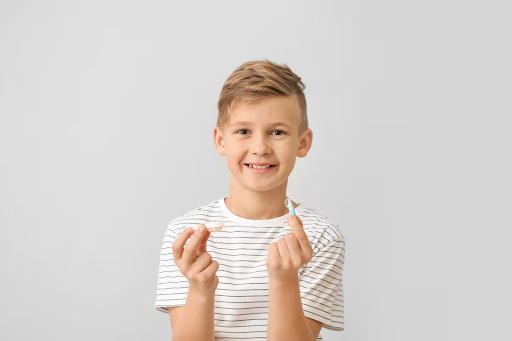
Are Children Old Enough to Wear Contact Lenses?
This depends less on a fixed age and more on the child’s needs, maturity, family support, and ability to follow care instructions. Professional guidance notes that contact lenses can be used in children, but success depends heavily on proper fitting, follow-up, hygiene, and realistic supervision. Older children and teens are usually more able to manage lenses themselves, while younger children often need strong parental involvement.
That means the real question is not just, “How old is the child?” It is also:
- Can the child tolerate lens wear?
- Can the family manage insertion, removal, and cleaning?
- Will follow-up visits be kept consistently?
- Is the visual benefit likely to be worth the effort?
Practical Considerations For Families
For parents, the idea of a child wearing contact lenses can feel intimidating at first. In reality, the decision usually comes down to a balance between visual benefit and day-to-day practicality.
Things that often matter include:
- How large the prescription difference is
- Whether the child has managed well with glasses
- How cooperative the child is
- Whether the family can supervise hygiene properly
- Whether the treatment plan already includes patching or other therapies
These practical points matter because even a visually useful option may not work well if the child cannot tolerate it or the routine becomes too difficult to maintain.
Limits And Cautions
Even when contact lenses are appropriate, they still have limitations.
Some of the main ones are:
- They require careful hygiene and regular review
- Not every child is a good candidate
- They do not remove the need for other amblyopia treatments when those are still indicated
- They may be harder for some families to manage consistently
That is why contact lens use in pediatric patients is usually a selective part of care, not a universal step for every child with amblyopia.
For children with amblyopia, especially when there is a significant prescription difference between the two eyes, an ophthalmologist can assess whether glasses, patching, atropine treatment, or contact lenses may be suitable. In selected cases where contact lenses may offer visual or practical benefits, further assessment and guidance from an ophthalmologist, such as Dr. Mohd Ishaq Bin Abdul Hakim, Consultant Ophthalmologist, may be helpful.
Conclusion
Contact lenses may play a supportive role in selected pediatric patients with amblyopia, particularly when certain refractive or optical factors affect visual development. In some children, contact lenses may provide more balanced visual correction and improve comfort compared with glasses alone.
However, contact lens use in children requires careful assessment, supervision, and regular follow-up to ensure safe and effective visual management over time.