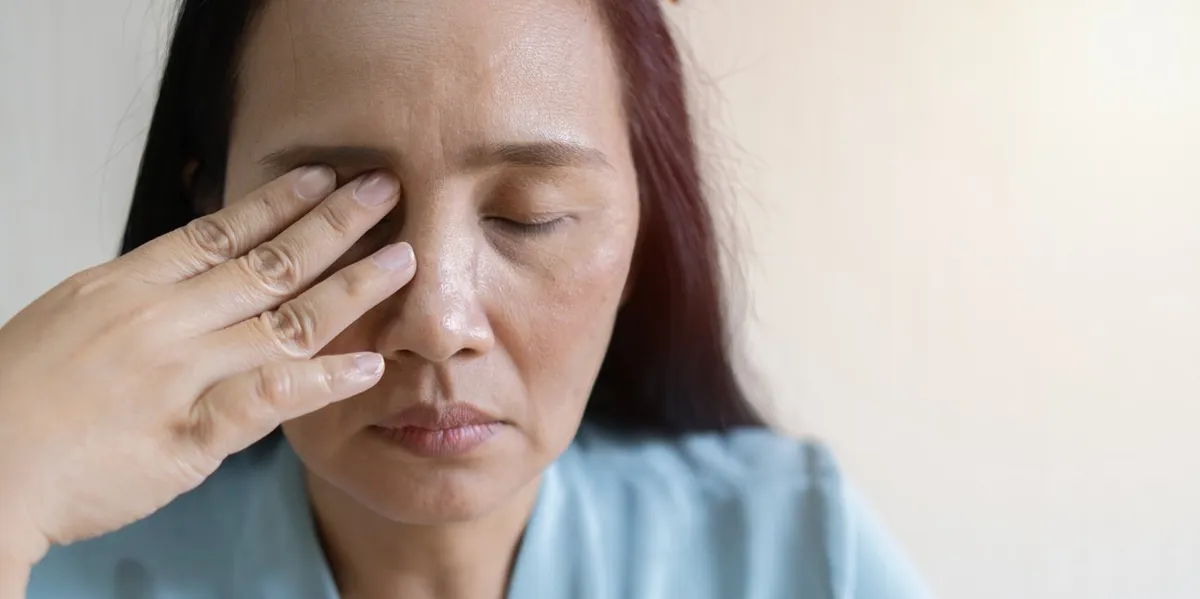
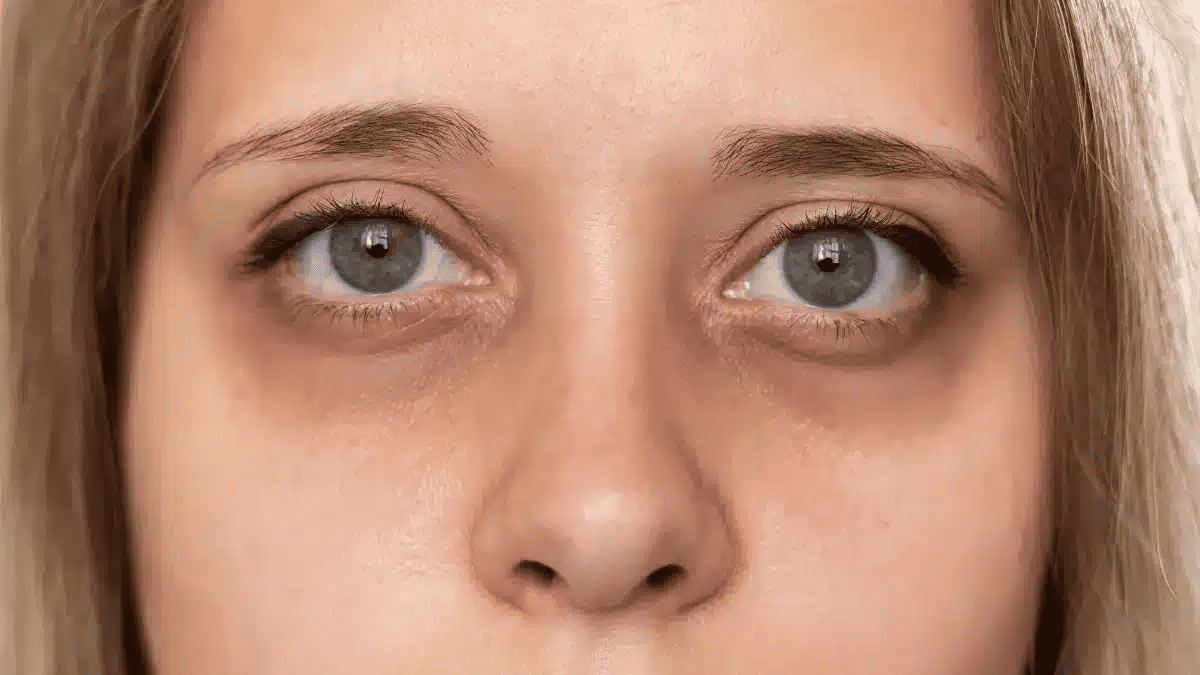
Headaches in both children and adults can happen for many different reasons, including fatigue, stress, prolonged screen use, or vision-related strain. Some parents and patients also wonder whether amblyopia, commonly known as “lazy eye,” may contribute to headaches or visual discomfort during daily activities.
Amblyopia itself is not generally considered a direct cause of headaches. However, some of the visual problems commonly associated with amblyopia, such as eye strain, increased focusing effort, refractive errors, or binocular vision imbalance may contribute to discomfort in certain situations, especially during prolonged visual tasks.
This article explores how amblyopia may be linked to headaches, when symptoms are more likely related to visual effort, and when they may point to causes beyond amblyopia. It also explains why looking at the overall visual system is important, as headaches in children may sometimes be associated not only with reduced vision in one eye, but also with binocular vision problems, refractive error, or temporary treatment-related strain.
Why The Connection Is Not Always Straightforward
Amblyopia is not usually considered as a classic cause of headaches. Its more typical concerns are reduced visual acuity in one eye, weaker binocular vision, and sometimes reduced depth perception.
However , children with amblyopia may also have associated conditions such as strabismus, anisometropia, accommodative strain, or difficulty sustaining comfortable visual effort. These associated factors, rather than amblyopia itself, may contribute to headaches or eye discomfort in some individuals.
This is why the more useful question is often not whether amblyopia directly causes headaches, but whether the visual demands linked to amblyopia or its underlying causes may contribute to them. In some children, the answer may be yes, especially when symptoms appear during reading, prolonged screen use, schoolwork or patching therapy.
How Amblyopia May Contribute To Headaches
In daily life, children with amblyopia may need to work harder to complete visually demanding tasks. Although this extra effort does not always cause pain, it can contribute to eye strain and visual fatigue, which some children describe as a headache.
Possible contributing factors include:
- Binocular imbalance, where the eyes do not work together efficiently
- Refractive error, especially when one eye is significantly more blurred than the other
- Visual fatigue during reading, homework, or classroom activities
- Digital eye strain in children who already have visual inefficiency
- Temporary treatment-related discomfort, especially during patching or certain binocular therapies
This also explains why some children with amblyopia never experience headaches at all, while others notice them more frequently during visually demanding activities.
The Role Of Binocular Vision And Visual Effort
One reason headaches may occur is that amblyopia often coexists with abnormalities in binocular vision. When the eyes are unable to coordinate visual input efficiently, tasks such as reading, copying from the board, or using digital devices may require greater effort and concentration.
Over time, this extra visual effort can lead to discomfort around the eyes or forehead, especially later in the day or after prolonged periods of near work.
Refractive Error May Be Part Of The Picture
Many children with amblyopia also have refractive errors, making this an important part of the overall picture. Unequal or uncorrected focusing errors can contribute to headaches as well.
Therefore, if a child with amblyopia is getting headaches, the cause may not be the diagnosis alone. Other contributing factors may involve:
- An outdated glasses prescription
- Increased accommodative (focusing) effort during near work
- Residual blur in one or both eyes
- Persistent binocular or focusing problems that have not yet been fully corrected

Can Patching Or Treatment Trigger Headaches?
Sometimes headache becomes more noticeable during treatment. During patching therapy, the stronger eye is covered, requiring the weaker eye to perform more of the visual work. As a result, reading, writing, and other close-up activities may temporarily feel more difficult and tiring. This does not necessarily mean the treatment is inappropriate or ineffective, but it can make visual effort more noticeable while the weaker eye adapts.
Some newer binocular or digital therapies may also cause temporary eye strain or mild headaches in some children, particularly during the adjustment period .
What The Child May Actually Be Feeling
Children do not always describe their symptoms clearly. A child who says they have a headache may actually be trying to describe visual discomfort.
They may say things such as:
- “My eyes feel tired.”
- “Reading feels hard.”
- “The words are moving.”
- “My head hurts after school.”
- “It feels worse when I look at screens.”
This is why it is helpful to consider the pattern of symptoms rather than focusing only on the word “headache” itself. If symptoms consistently occur after reading, schoolwork, patching, or prolonged screen use, visual strain may be contributing.
When Headaches May Be More Related To Visual Strain
| Pattern | What it may suggest |
| Headaches after reading or homework | Visual effort, focusing strain, or binocular discomfort |
| Headaches during or after patching | Increased visual demand on the weaker eye |
| Symptoms worse with prolonged screen use | Digital eye strain or reduced blinking |
| Headache accompanied by blurred vision or squinting | Refractive error or accommodative involvement |
| Sudden severe headache with new vision changes | Requires urgent medical assessment |
When The Headache May Be About Something Else
It is important not to assume that every headache in a child with amblyopia is caused by the eyes. Headaches may also result from migraine, viral illnesses, dehydration, tension-type headaches, insufficient sleep, or other medical issues.
A visual cause becomes less convincing when:
- The headache is severe and sudden
- It happens without any visual task or trigger
- It comes with vomiting, weakness, confusion, or difficulty speaking
- There is significant light sensitivity together with severe eye pain
- The headaches continue to worsen regardless of rest or changes in visual activity
In these situations, prompt medical assessment is important.
When To Look More Closely At The Eyes
A comprehensive eye assessment may be particularly helpful if a child’s headaches:
- Appear after reading, prolonged screen use, or other close-up work
- Happen during amblyopia treatment
- Come with blurred vision, squinting, or frequent eye rubbing
- Seem to be getting more frequent as schoolwork increase
- Occur in a child whose prescription or binocular vision has not been reassessed recently
In these situations, the aim is not to assume amblyopia is the sole cause of the headaches, but to determine whether visual factors may be contributing and whether treatment adjustment could help reduce unnecessary visual strain.
Practical Takeaway For Parents
For parents, the most important message is that amblyopia and headaches can sometimes be related, but usually through increased visual effort, binocular vision problems, or associated refractive errors rather than amblyopia itself directly causing headaches.
Things worth observing include:
- Whether the headache happens after school, reading, or homework
- Whether they are worse on patching days
- Whether prolonged screen time makes them worse
- Whether the child also complains of blurred vision, tired eyes, or eye discomfort
- Whether the symptom improves after rest or visual breaks
Conclusion
The relationship between amblyopia and headaches is usually indirect. Rather than amblyopia itself causing headaches, symptoms are more commonly related to increased visual effort, focusing demands,refractive errors, or binocular vision problems that may accompany the condition. Some children and adults may experience headaches or eye discomfort during prolonged visual tasks because their eyes have to work harder to maintain clear, focus and coordinated vision.
Recognising this relationship can help families understand when a comprehensive eye assessment may be appropriate, particularly if headaches occur repeatedly during reading, schoolwork, or other visually demanding activities.
Children or adults experiencing recurrent headaches together with reduced vision, eye strain, or concerns about visual development may benefit from assessment by an ophthalmologist. Doctors such as Dr. Shamala Ganesan, Consultant Ophthalmologist, assess patients with amblyopia and other vision-related conditions, providing individualised recommendations based on each person’s visual needs and clinical findings.