Presbyopia is the natural loss of lens flexibility that affects nearly everyone as they age. But why exactly does it happen? Understanding the underlying causes can help you recognize early signs, make lifestyle adjustments, and choose effective corrective options.
In this article, we’ll explore the biological changes in the eye, risk factors, and how daily habits can influence the experience of presbyopia.
The Eye’s Lens: Your Focus Engine
To understand presbyopia, it’s important to know how the eye focuses on objects:
- Lens: The flexible, transparent structure behind your pupil. It bends light so that images are focused on the retina.
- Ciliary Muscles: Tiny muscles that contract and relax to change the lens’s shape for near or far vision.
- Accommodation: The process of the lens adjusting focus.
As we age, the lens gradually loses its elasticity. This makes it harder to bend the lens for close-up vision. At the same time, the ciliary muscles weaken, reducing the eye’s ability to compensate. Together, these changes cause near objects to appear blurry, the hallmark of presbyopia.
Mini FAQ:
- Q: Can anything prevent the lens from stiffening?
- A: Currently, lens stiffening is a natural aging process that cannot be fully prevented, though overall eye health may help delay discomfort.
How Aging Affects Near Vision
Several age-related changes contribute to presbyopia:
- Lens Hardening: The lens becomes more rigid with age, making it less able to adjust focus.
- Ciliary Muscle Weakening: These muscles gradually lose strength, reducing their ability to bend the lens.
- Reduced Pupil Size: Age can cause the pupil to shrink slightly, letting in less light and making near vision more difficult in dim conditions.
- Slower Accommodation: The combination of lens stiffening and muscle weakness slows the eye’s response when shifting focus from far to near objects.
Interesting Fact: Most people notice presbyopia around age 40, and by age 50, nearly everyone requires some form of corrective lens for reading.
Genetic Factors
Family history plays a role in presbyopia. If your parents developed near vision problems early, you may notice symptoms sooner.
Mini Tip: Being aware of your family’s vision history can help you monitor your own eye health proactively. Early detection allows for timely interventions and lifestyle adjustments.
Lifestyle Factors That Can Influence Presbyopia
While presbyopia is unavoidable, certain habits may make its symptoms more noticeable:
- Prolonged Near Work: Reading, computer work, or smartphone use can cause eye strain, making presbyopia feel more pronounced.
- Poor Lighting: Dim lighting reduces visual clarity, exacerbating the difficulty of focusing on close objects.
- Screen Time: Extended digital device use may increase fatigue and eye discomfort, although it does not cause presbyopia itself.
- Nutrition & Eye Health: Maintaining overall eye health through proper nutrition — including vitamins A, C, E, and omega-3 fatty acids — supports long-term vision quality.
Practical Tips:
- Take breaks from close-up tasks every 20–30 minutes (the 20-20-20 rule: every 20 minutes, look at something 20 feet away for 20 seconds).
- Use bright, even lighting for reading and screens.
- Adjust font size and screen distance to reduce strain.
Differences Between Presbyopia and Other Vision Issues
Understanding the cause also helps distinguish presbyopia from other vision problems:
Condition | Cause | Key Difference |
Myopia (Nearsightedness) | Eyeball too long or cornea too curved | Blurry distance vision |
Hyperopia (Farsightedness) | Eyeball too short or lens shape issue | Blurry near vision at any age |
Presbyopia | Lens stiffness and weak ciliary muscles | Age-related near vision decline |
Mini FAQ:
- Q: Can someone have presbyopia even if they never had vision problems before?
- A: Yes, presbyopia can occur in people who previously had perfect vision because it is caused by natural aging, not existing refractive errors.
Signs That Presbyopia May Be Starting
Early indicators often appear subtly:
- Holding books, menus, or devices farther away than normal
- Squinting at small text
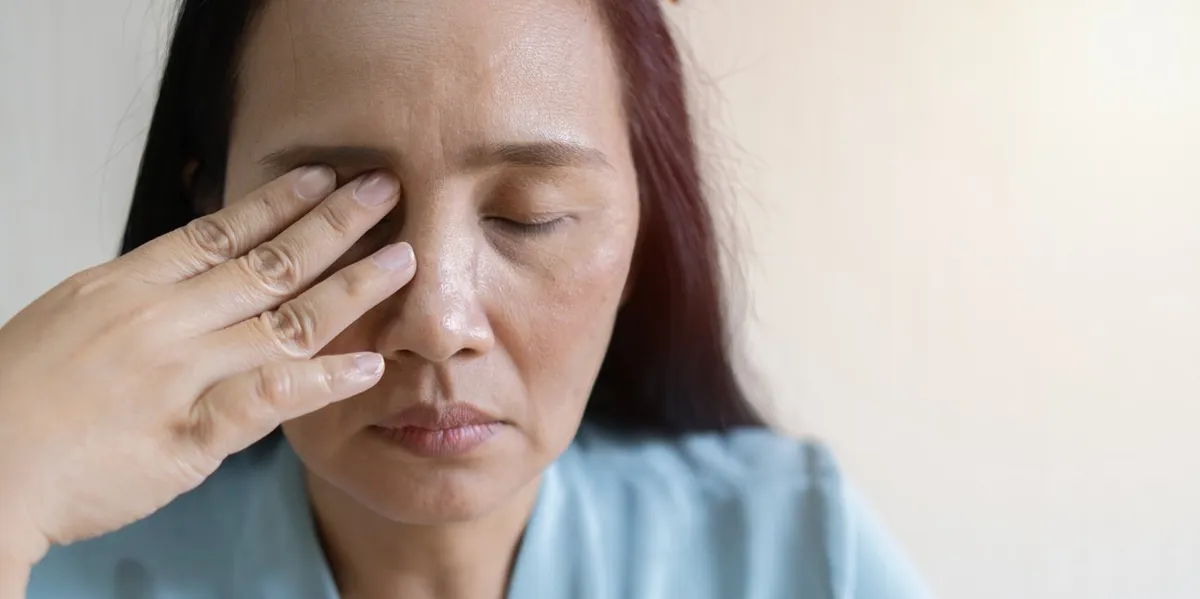
- Experiencing headaches or eye strain after close work
- Difficulty seeing fine details in hobbies, crafts, or electronics
Real-Life Example:
A 43-year-old software developer notices fatigue and blurred vision when reading documentation on a laptop for long periods. Adjusting the screen distance and font size helps temporarily, but reading glasses soon become necessary.
Practical Tip: Early detection allows for gradual adaptation, reducing discomfort and improving productivity.
Mini FAQ: Common Questions About Presbyopia Causes
- Is presbyopia caused by disease?
- No, it is a natural, age-related change.
- Can lifestyle delay presbyopia?
- Healthy habits may reduce discomfort, but they cannot stop lens stiffening.
- Does eye strain cause presbyopia?
- No, eye strain makes symptoms more noticeable but does not cause the condition.
- Why does it affect both eyes differently sometimes?
- One eye may adapt better or faster, but presbyopia eventually affects both.
Conclusion
Presbyopia occurs because of age-related changes in the lens and ciliary muscles, combined with natural reductions in accommodative power. While unavoidable, understanding the causes empowers you to recognize early signs, adjust daily habits, and select the right corrective measures.
By addressing lifestyle factors like lighting, screen distance, and reading posture, you can minimize discomfort while maintaining clear near vision.
Optional Links for Further Reading:
- What Is Presbyopia?
- Presbyopia Treatment Options