As we age, many of us notice subtle changes in our vision. One of the most common changes is presbyopia, a condition that affects the ability to focus on nearby objects. Unlike nearsightedness or farsightedness, presbyopia is age-related and natural, not a disease.
Understanding presbyopia is important because it helps you recognize early signs, adopt lifestyle adjustments, and make informed decisions about corrective options. In this guide, we’ll explain what presbyopia is, why it happens, how it differs from other vision problems, and how it affects daily life.
What Exactly Is Presbyopia?
Presbyopia is the gradual decline in the eye’s ability to focus on close objects. The term comes from Greek words meaning “old eye,” reflecting its association with aging.
The lens inside the eye is responsible for focusing light onto the retina. Normally, this lens changes shape to see near and far objects. Over time:
- The lens becomes less flexible.
- The ciliary muscles, which control lens shape, weaken.
- The eye’s ability to adjust focus diminishes.
This combination leads to difficulty focusing on nearby objects like books, smartphones, or fine details in crafts.
Example: Holding your smartphone at arm’s length to read a text message or struggling to thread a needle are common early signs of presbyopia.
How Presbyopia Differs From Other Vision Conditions
It’s easy to confuse presbyopia with other refractive errors. Here’s a simple comparison:
Condition | Age Group | Vision Problem |
Myopia (Nearsightedness) | Any age | Difficulty seeing far objects |
Hyperopia (Farsightedness) | Any age | Difficulty seeing near objects (but not age-related) |
Presbyopia | Usually 40+ | Difficulty seeing near objects due to aging lens |
Mini FAQ:
- Q: Can I have presbyopia and myopia at the same time?
- A: Yes, some people with nearsightedness still develop presbyopia, often needing separate solutions for near and distance vision.
Why Does Presbyopia Happen?
The main cause is aging of the eye’s lens. Let’s break it down:
- Lens Stiffening – As we age, the lens loses elasticity, making it harder to bend and focus on close objects.
- Ciliary Muscle Weakening – These muscles contract to change the lens shape; weaker muscles reduce the ability to focus.
- Reduced Accommodative Power – The combination of a stiffer lens and weaker muscles limits near vision.
Interesting Fact: Most people begin noticing presbyopia around age 40, with noticeable difficulty in near tasks by their late 40s.
Practical Tip: Simple lifestyle changes like increasing font size, improving lighting, or taking breaks from close-up tasks can reduce eye strain.
Early Signs and Daily Impact
Presbyopia develops slowly, so early signs may be subtle:
- Holding reading material farther away than usual.
- Squinting at small text on phones, labels, or menus.
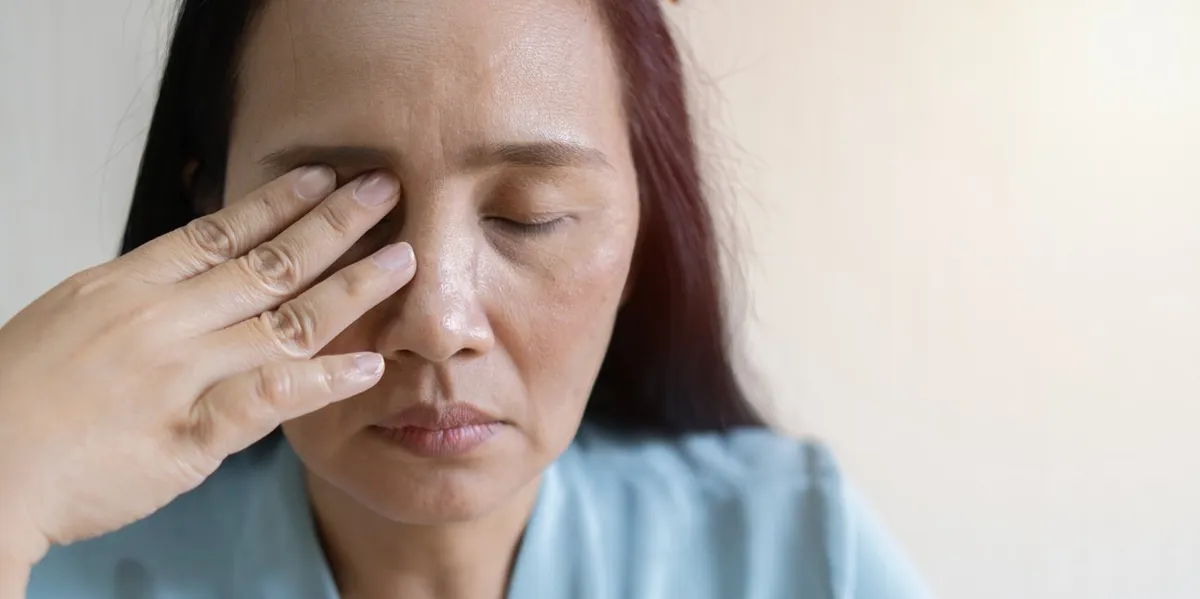
- Headaches or eye strain after prolonged near tasks.
- Difficulty seeing fine details in hobbies like sewing, painting, or electronics.
Example Scenario:
A 42-year-old notices that reading the newspaper requires moving it farther away. Initially, this seems minor, but over time, it becomes uncomfortable, especially in low-light conditions.
Mini Tips:
- Use adequate lighting when reading.
- Adjust screen distance or font size on devices.
- Take breaks from close-up tasks to reduce strain.
Who Is at Risk?
While presbyopia is a natural part of aging, some factors may make it more noticeable sooner:
- Family history – genetics can affect the age of onset.
- Existing vision problems – people with hyperopia may notice presbyopia earlier.
- Lifestyle – prolonged near work, screen use, or poor lighting may make symptoms more apparent.
Statistic: Nearly 100% of adults over 55 will experience some level of presbyopia, highlighting that it is an inevitable, normal change.
Mini FAQ: Common Questions About Presbyopia
- Is presbyopia a disease?
- No, it is a natural age-related change in the eye.
- At what age does presbyopia usually start?
- Around age 40, with symptoms becoming noticeable by the mid-40s.
- Does it affect both eyes?
- Yes, though one eye may notice changes slightly earlier.
- Can presbyopia cause blurry distance vision?
- No, it primarily affects near vision. Distance vision is usually unaffected unless another refractive error is present.
- Will reading glasses prevent presbyopia from worsening?
- No, glasses relieve symptoms but do not stop the natural progression.
When to See an Eye Specialist
If you notice any of the following, it’s time for an eye exam:
- Difficulty reading small text, even with good lighting
- Frequent headaches or eye strain during near work
- Trouble seeing details in hobbies or work tasks
- Changes in near vision affecting daily life
Optional link: Learn more about presbyopia diagnosis
Practical Tip: Eye exams are recommended every 1–2 years after age 40 to monitor presbyopia and other age-related eye conditions.
Conclusion
Presbyopia is a normal, age-related change in near vision. It differs from other vision problems because it is directly linked to aging of the lens and weakening of the eye muscles. While it cannot be prevented, understanding it early can help you adapt your daily routines, reduce eye strain, and choose the right corrective options.
Corrective lenses, lifestyle adjustments, and routine eye exams make presbyopia manageable, allowing you to maintain clear near vision and comfort in everyday life.
Optional Links for Further Reading:
- Presbyopia Causes
- Presbyopia Treatment Options