Traditional amblyopia treatment has long focused on strengthening the weaker eye through methods such as patching or atropine therapy. While these approaches remain important and effective for many children, researchers have also explored newer ways to improve how both eyes work together. One of the most widely discussed modern approaches is dichoptic training.
Instead of simply forcing the weaker eye to work alone, dichoptic therapy aims to encourage the brain to process input from both eyes more effectively at the same time. This reflects a growing understanding that amblyopia is not only about reduced vision in one eye, but also about how the brain processes binocular visual information.
This article explains what dichoptic training is, how it works, and why it has become an important area of modern amblyopia research.
What Dichoptic Training Actually Means
In simple terms, dichoptic training involves presenting each eye with a different part of the same visual task. The weaker eye is usually shown a clearer or stronger image, while the stronger eye receives an image with reduced-contrast or other adjustments. The aim is not to block or completely suppress the stronger eye, but rather to reduce its dominance enough for both eyes to contribute together.
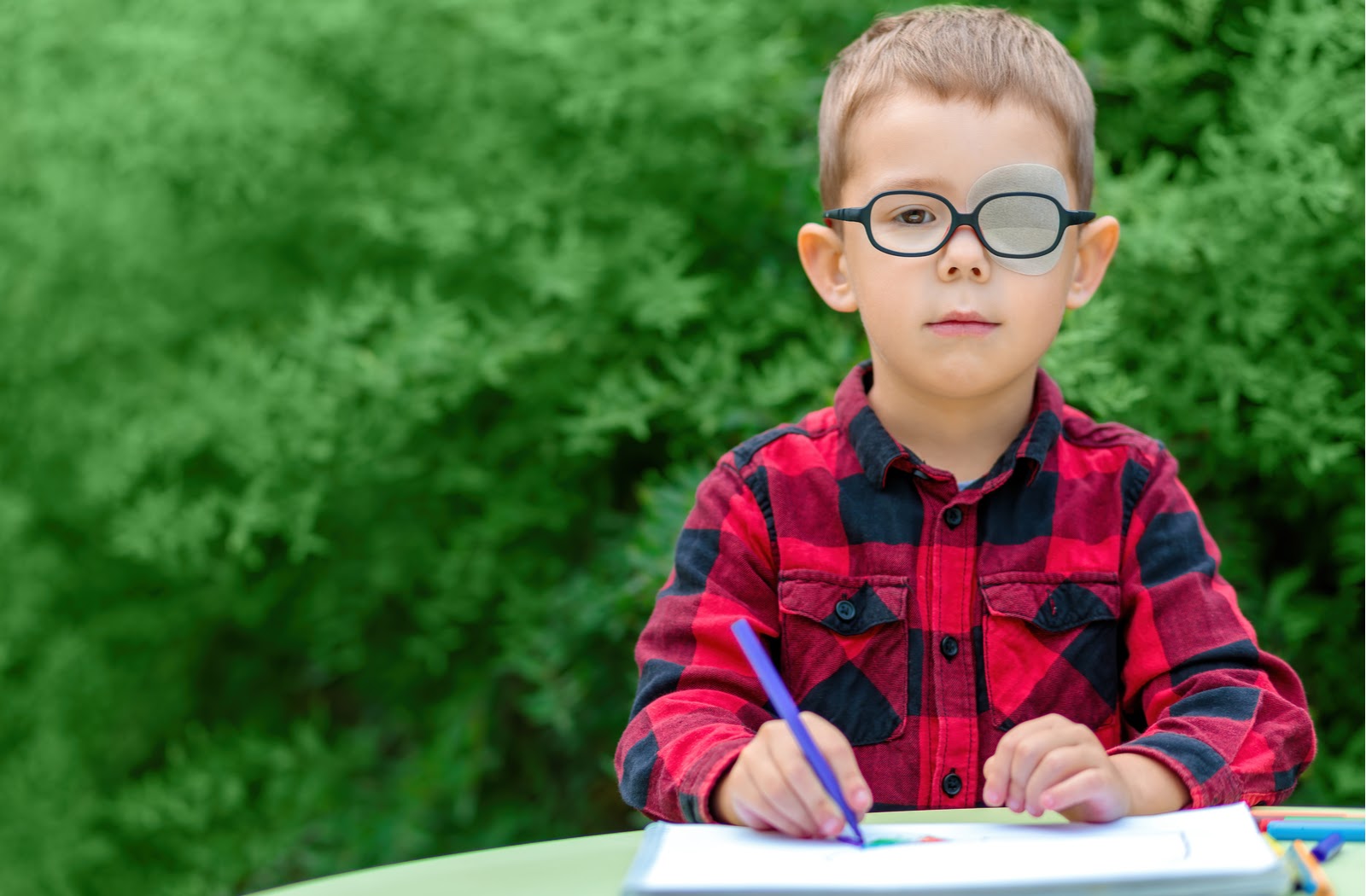
That is what distinguishes dichoptic training from traditional patching. Instead of covering the stronger eye and forcing the weaker eye to work independently, dichoptic therapy keeps both eyes open and encourages the brain to rebalance how visual information from each eye is combined.
Why This Approach Gained Attention
Traditional treatments such as patching remain the standard of care and can be highly effective. However, they also come with familiar problems. Some children strongly resist wearing an eye patch, making treatment adherence difficult. Some patients achieve improved visual acuity but still continue to have reduced binocular function or limited depth perception .
These challenges have encouraged researchers to explore treatments that are both more engaging and more focused on restoring binocular function.
Dichoptic training reflects a broader shift in amblyopia management—from concentrating solely on improving the weaker eye’s vision to also improving how both eyes work together as a coordinated team.

How Dichoptic Training Is Delivered
There is no single format for dichoptic training. Different systems use different technologies, although the underlying principle remains the same.
Common formats include:
- Game-based training
- Video-based therapy
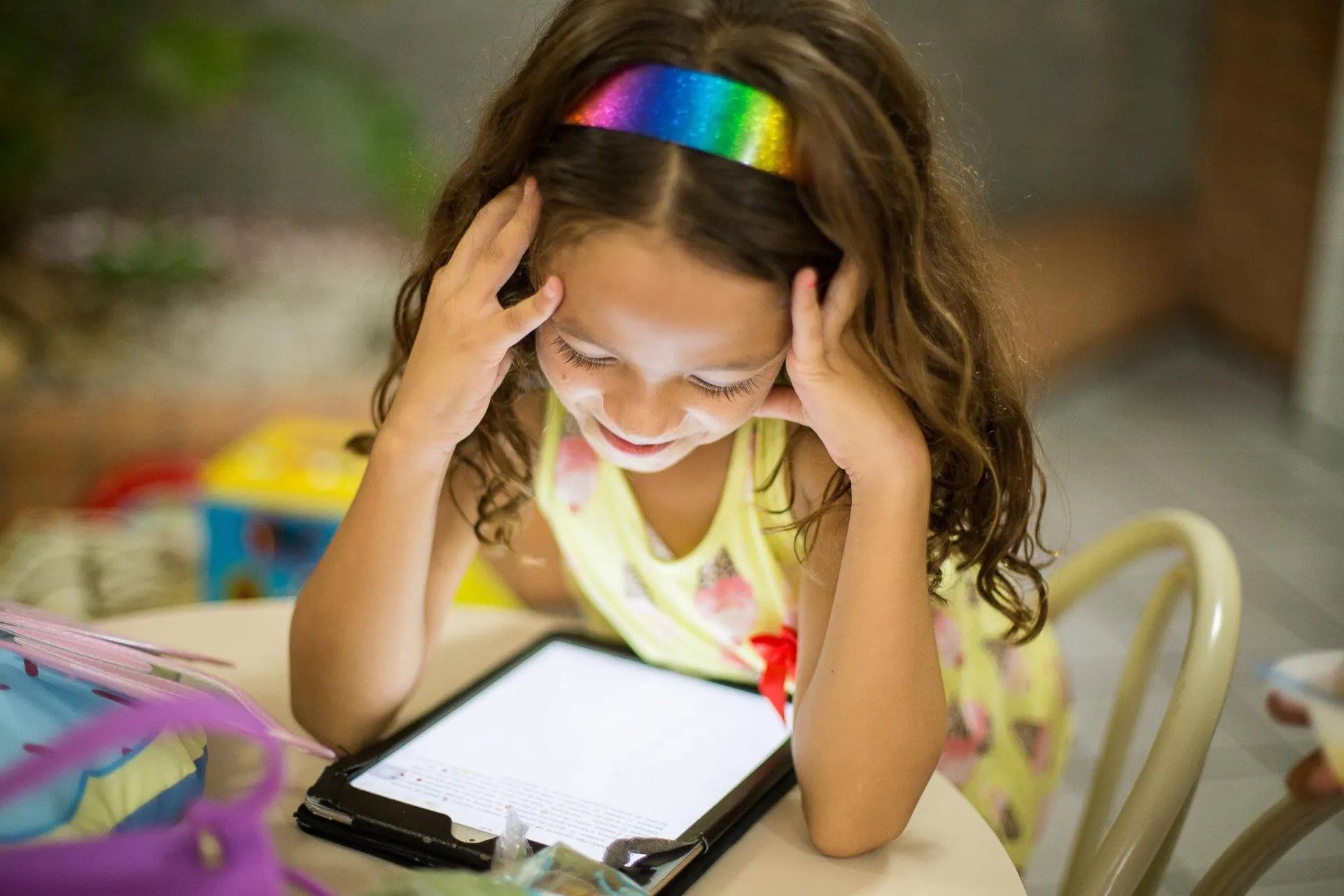
- Tablet or screen-based exercises
- Eye-tracking-based home systems
- Virtual reality (VR) binocular therapy
Some programmes use red-blue glasses or contrast-balancing methods, while others incorporate eye-tracking techniques to make sure the child is actually looking at the target and actively engaging with the task. More recent systems have also introduced interactive games and movie-based activities to make therapy more enjoyable and reduce treatment fatigue.
What Dichoptic Training Is Trying To Improve
The goal of dichoptic training extends beyond improving vision in the weaker eye alone It also aims to improve how both eyes function together.
Potential areas of improvement include:
- Visual acuity
- Binocular balance
- Stereoacuity or depth perception
- Reduced suppression of the weaker eye
- Contrast sensitivity (in some patients)
This broader treatment objective is one reason dichoptic therapy has attracted significant attention. It aligns with the modern understanding that amblyopia affects not only the clarity of vision in one eye but also binocular visual processing within the brain.
Dichoptic Training vs Patching
| Approach | Main idea | Potential strength | Main limitation |
| Patching | Covers the stronger eye to encourage use of the weaker eye | Well established and widely available | Some children dislike wearing the patch, making adherence difficult |
| Dichoptic training | Trains both eyes together using different visual input | Focuses on binocular vision and may be more engaging for some children | Clinical evidence is still evolving, and outcomes may vary depending on the treatment system and patient characteristics |
This comparison highlights that the discussion is no longer about identifying a single “best” treatment for every child. Instead, treatment should be individualised according to the child’s visual condition, age, ability to cooperate, and likelihood of adhering to therapy.
Why Adherence Still Matters
Although dichoptic training may appear more engaging than traditional patching, successful treatment still depends heavily on consistency. Like any vision therapy, meaningful improvement generally requires regular participation over the recommended treatment period.
Some studies have shown better outcomes among children who completed the prescribed training consistently, suggesting that adherence remains one of the most important factors influencing treatment success.
For this reason, families should not assume that a digital therapy will automatically be easier simply because it involves screens or games. It may feel more acceptable for some children, but follow-through is still central to success.
Which Patients May Benefit Most
Dichoptic training has been studied primarily in children with unilateral amblyopia, particularly those with:
- Anisometropic amblyopia
- Strabismic amblyopia
- Mixed-mechanism amblyopia
It may be especially appealing when:
- The child struggles with patching
- There is interest in improving binocular function
- The family can support regular home-based therapy
- An eye specialist determines that the child is suitable for a structured digital treatment programme
However, suitability depends on several factors, including the child’s age, the type and severity of amblyopia, the treatment platform being used, and the child’s ability to engage with the programme.
How It Fits Into Modern Amblyopia Care
The most useful way to view dichoptic training is not as a replacement for conventional treatments , but as one component of modern amblyopia care.
For many children, wearing the appropriate spectacles remains the first step in treatment. Some will still require patching or atropine penalisation, while others may benefit from incorporating binocular digital therapy to further improve binocular vision alongside visual acuity.
Because amblyopia affects every child differently, treatment should always be individualised. Parents who notice signs of lazy eye or have concerns about their child’s visual development may seek assessment from an ophthalmologist such as Dr. Nazrah Mohamed Ramli, Consultant Ophthalmologist, for appropriate evaluation, treatment recommendations, and ongoing follow-up.
Dichoptic training fits naturally within the wider discussion of modern amblyopia treatment. It is closely connected to the shift toward binocular therapy and future innovations in amblyopia management. By showing how this approach sits within a larger change in the field, it also helps strengthen the overall topical authority of the subject.
Conclusion
Dichoptic training represents a modern approach to amblyopia treatment that focuses on improving binocular visual cooperation instead of only strengthening the weaker eye in isolation. By encouraging the brain to process visual information from both eyes together, this approach reflects a more comprehensive understanding of how amblyopia affects visual development.
Although research is still evolving and dichoptic therapy is not suitable for every patient, it remains an important area of interest in modern amblyopia management. When combined with appropriate assessment and an individualised treatment plan, it may provide additional benefits for selected children alongside established therapies such as spectacles, patching, or atropine treatment.