The way healthcare is delivered continues to evolve, including in pediatric eye care. In recent years, telehealth and remote monitoring have gained increasing attention as tools that may help improve access to care, follow-up, and communication for children undergoing amblyopia treatment. These approaches became especially relevant as families and healthcare providers looked for more flexible ways to manage long-term care.
Although amblyopia still requires comprehensive clinical assessment and structured treatment, remote care tools may help support treatment adherence, monitor progress, and facilitate communication between appointments in selected situations.
This article explains how telehealth and remote monitoring may be used for amblyopia patients, the potential benefits they offer, and why regular in-person eye examinations continue to play an essential role.
Why Telehealth Is Becoming More Relevant In Amblyopia Care
Amblyopia treatment often depends on what happens between clinic visits, not only during them. Parents may need guidance on whether patching is being carried out consistently, whether digital therapy programmes are being used as recommended, or whether their child’s vision appears to be improving over time. In that sense, telehealth fits naturally into amblyopia care because much of the treatment already takes place at home.
This is one reason why remote eye-care research continues to receive growing attention. Telemedicine and digital monitoring tools may help improve access to specialist care, encourage better treatment adherence, and make follow-up more convenient for families who find frequent clinic visits difficult.
What Remote Monitoring May Involve
Remote monitoring in amblyopia care can take several forms depending on the technology being used. It does not necessarily involve a live video consultation with an ophthalmologist. In many cases, it refers to digital tools that help families and clinicians monitor treatment progress or adherence from home.
Examples include:
- Home vision-testing applications
- Treatment adherence tracking
- Digital therapy usage data
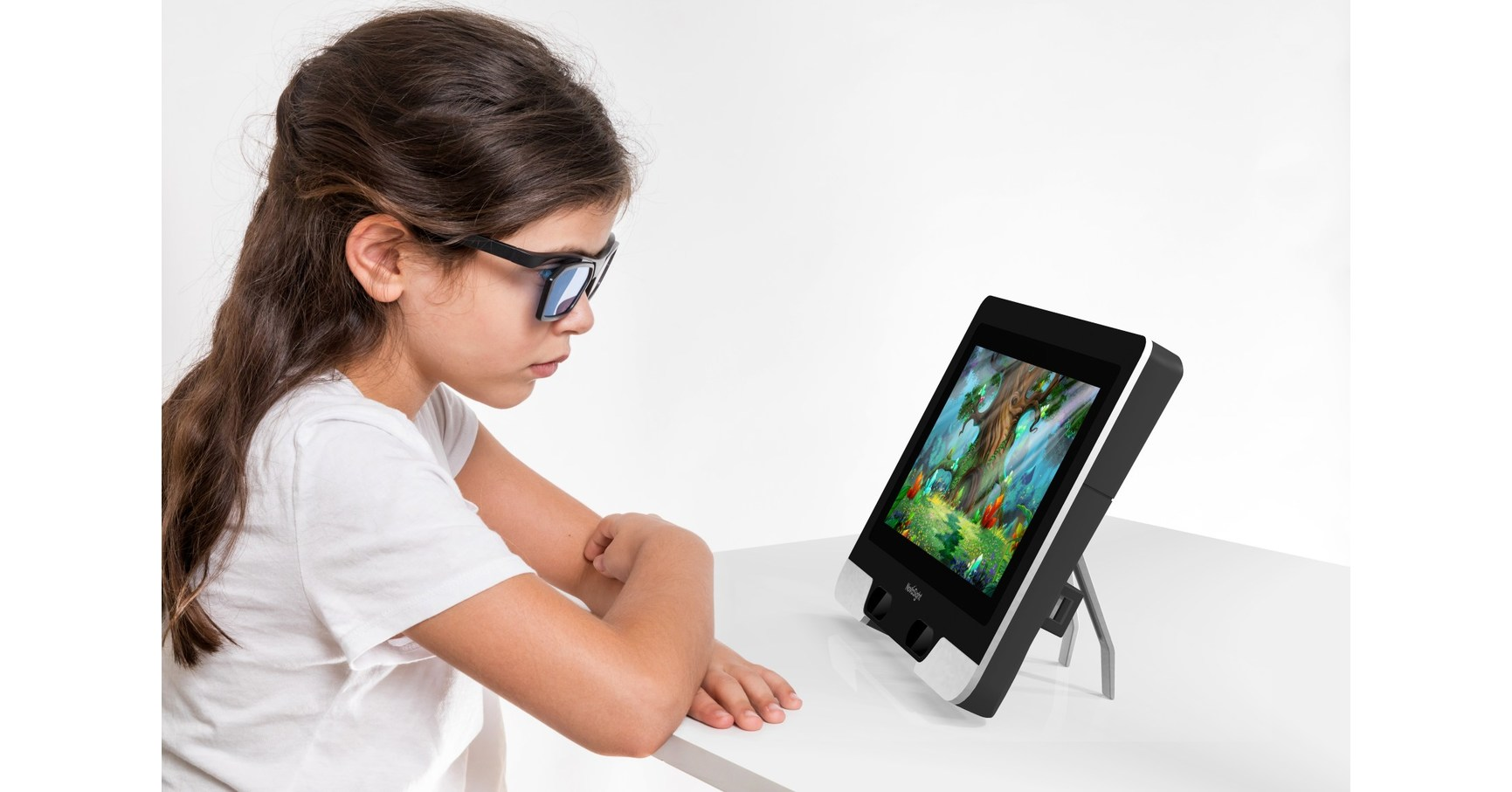
- Eye-tracking-based treatment systems
- Wearable or headset-based technologies that collect treatment data over time
These tools can provide additional information about what happens between clinic visits, offering a broader picture of the child’s treatment progress beyond what can be assessed during a scheduled appointment.
Telehealth For Follow-Up And Support
One of the most practical roles for telehealth in amblyopia care is providing follow-up support. Remote appointments may help families to:
- Discuss patching tolerance
- Review treatment routines
- Raise concerns about treatment adherence
- Decide whether an earlier in-person assessment may be needed
This can be especially helpful for families living far from pediatric eye services or those who experience difficulties attending frequent follow-up appointments.
Telehealth does not replace in-person care. Accurate diagnosis of amblyopia still requires comprehensive eye examinations, including refractive assessment, binocular vision evaluation, and direct examination by an eye-care professional. However, remote consultations can help bridge the gap between clinic visits and provide ongoing support throughout the treatment journey.
Home Vision Tracking Tools
Home vision-tracking applications are one example of remote monitoring. While they do not replace formal vision testing performed in the clinic, but they may help:
- Parents notice changes earlier
- Track progress between appointments
- Provide clinicians with additional information about the child’s visual performance at home
This is useful because improvement during amblyopia treatment often occurs gradually, making it difficult for families to recognise subtle changes over time .
Digital Therapeutics And Treatment Adherence
Remote monitoring also fits well with newer digital therapies developed for amblyopia. Some digital treatment platforms allow clinicians to review:
- Whether treatment is being used consistently
- How frequently therapy sessions are completed
- How well the child engages with treatment activities
This is valuable because one of the biggest challenges in amblyopia management is not only selecting the appropriate treatment, but also maintaining consistent adherence throughout the treatment period .
Eye-Tracking And Wearable Technologies
Another emerging area is the use of eye-tracking and wearable technologies. These systems may help collect more objective information about:
- Fixation behaviour
- Eye movements and gaze patterns
- Treatment usage
- Changes in visual function over time
In children, this can be especially useful because behaviour during a short clinic visit does not always reflect how they use their vision during everyday activities at home .
In-Clinic Care vs Telehealth Support
| Care element | In-clinic care | Telehealth or remote support |
| Diagnosis | Comprehensive eye examination and formal testing | Not a replacement for primary diagnosis |
| Treatment discussions | Direct clinical assessment and management | Can support follow-up discussions and parent guidance |
| Adherence monitoring | Based on clinical review and parent feedback | May be tracked through digital platforms or treatment applications |
| Vision monitoring | Standardised vision testing in clinic | Home tools may help monitor changes between appointments |
| Access to care | Best provided through specialist eye clinics | May improve access for families living farther from specialist services |
What Telehealth Can Do Well
In amblyopia care, telehealth may be particularly helpful for:
- Monitoring treatment tolerance
- Reviewing patching or atropine treatment routines
- Discussing progress with home-based therapy
- Supporting families in remote or underserved communities
- Reducing unnecessary delays between scheduled clinic visits
These advantages make telehealth an increasingly valuable addition to pediatric ophthalmology, especially when ongoing follow-up support is needed between formal eye examinations .
What Its Limits Still Are
Even though telehealth offers promising benefits, it also has important limitations.
These include:
- It cannot replace a comprehensive eye examination
- Not every child can reliably use digital monitoring tools
- Treatment response vary between individuals ts
- Some digital technologies continue to be evaluated for long-term effectiveness
- Ongoing supervision by an ophthalmologist remains important
For these reasons, telehealth should be viewed as a complementary tool that supports conventional amblyopia care rather than replacing standard clinical assessment and treatment.
What This May Mean For The Future
The future of amblyopia management will likely involve more hybrid models that combine in-person care with remote monitoring and telehealth follow-up. This approach could provide:
- Better access for families living farther from specialist centres
- Easier monitoring of treatment progress at home
- Closer tracking of treatment adherence
- Earlier review when progress is slower than expected
- More personalised follow-up based on each child’s individual needs
Conclusion
Telehealth and remote monitoring may help support amblyopia management by improving communication, enhancing treatment follow-up, and making long-term care more convenient for families. These tools can be especially useful for monitoring treatment routines, encouraging adherence, and addressing concerns between scheduled appointments.
However, amblyopia still requires comprehensive in-person eye examinations because accurate assessment of visual development,binocular function, and treatment response remains essential for effective treatment planning.
Children with amblyopia or concerns about visual development may benefit from assessment by an ophthalmologist. Eye doctors such as Dr. Shamala Ganesan, Consultant Ophthalmologist, provide comprehensive eye assessments and recommend individualised treatment and follow-up based on each child’s visual condition and clinical needs.