A child’s visual system continues to develop throughout the early years of life, which is why many parents wonder whether nutrition can influence eye health and visual development. While a healthy diet cannot replace proper eye care or treat every eye condition, good nutrition plays an important supporting role in overall growth, brain development, and eye health.
The eyes rely on a steady supply of nutrients to support structures such as the retina, ocular surface, and visual pathways. During childhood, adequate nutrition helps support healthy and normal visual development alongside regular eye monitoring and appropriate medical care when needed.
This article looks at how diet supports children’s eye health, which nutrients have the strongest evidence, and why nutrition should be viewed as part of a comprehensive approach to protecting vision . It also highlights an important limit: although good nutrition supports healthy eyes, it is not a stand-alone treatment for specific conditions like refractive error, strabismus, or amblyopia.
Why Nutrition Matters For Children’s Eye Health
Vision depends on more than just healthy eyes. During infancy and childhood, the eyes, retina, optic nerves, and visual areas of the brain continue to develop. These structures require adequate nutrition to grow and function normally.
Different nutrients support different aspects of the visual system. Some help maintain the retina, others support the ocular surface, while certain nutrients contribute to normal brain development, which is closely linked to visual processing.
The importance of nutrition is particularly evident in children with nutritional deficiencies. The clearest example is vitamin A deficiency, which can cause night blindness and, in severe cases, damage to the cornea that may lead to preventable childhood blindness.
Vitamin A: The Nutrient With the Strongest Evidence
Among all nutrients, vitamin A has the strongest established relationship with eye health. It plays an essential role in the visual cycle, allowing the retina to function properly, particularly in dim lighting. It also helps maintain the health of the cornea and conjunctiva, which protect the surface of the eye.
Vitamin A deficiency may lead to:
- Night blindness
- Dryness of the eye surface (xerophthalmia)
- More severe corneal damage in advanced cases
- Increased risk of visual loss if left untreated
Fortunately, vitamin A deficiency is relatively uncommon in healthy children who consume a balanced diet in many developed countries, including Malaysia. However, it remains an important public health concern in parts of the world where malnutrition is more prevalent.
This does not mean children should routinely take vitamin A supplements. Excessive vitamin A intake can be harmful. Most children obtain sufficient amounts through a varied, balanced diet unless a healthcare professional advises otherwise.
Omega-3 Fats And Visual Development
Omega-3 fatty acids, especially DHA, are also important building blocks for the retina and brain. The retina is the light-sensitive layer at the back of the eye, and DHA helps support the structure and function of retinal cells during early development.
Because vision is closely connected to brain development, getting enough omega-3 through a balanced diet may help support normal visual function as children grow. Sources of omega-3 include fatty fish such as salmon, sardines, and mackerel, as well as other foods depending on the child’s diet.
However, omega-3 should be understood as supportive nutrition. It helps provide the body with nutrients needed for healthy development, but it does not correct refractive errors, reverse amblyopia, or replace eye examinations and treatment when a child has a diagnosed eye condition.
Lutein And Zeaxanthin
Lutein and zeaxanthin are natural carotenoids, a type of plant pigment, found in the retina, especially in the macula, the part of the eye responsible for sharp central vision. They help support the retina by filtering certain types of light and protecting eye tissues from oxidative stress.
These nutrients are commonly found in leafy green vegetables, eggs, corn, and other colourful fruits and vegetables. Including these foods as part of a child’s regular diet may help support long-term retinal health and overall visual function.
At the same time, lutein and zeaxanthin should not be seen as a cure for childhood vision problems. They are beneficial nutrients for eye health, but children with blurred vision, eye misalignment, or suspected amblyopia still need proper assessment and care.
Can Diet Directly Improve A Child’s Vision?
This is where the topic needs to stay realistic.
A healthy diet supports normal eye development and helps reduce the risk of nutrition-related eye problems.However, it cannot:
- Correct short-sightedness (myopia), long-sightedness (hyperopia), or astigmatism
- Reverse amblyopia (“lazy eye”)
- Correct strabismus (eye misalignment)
- Replace glasses, patching therapy, or other medical treatments
A balanced way to think about nutrition is:
- Good nutrition supports healthy visual development
- Nutritional deficiencies can affect vision
- Nutrition is supportive, not a substitute for diagnosis or treatment
What Nutrition Can And Cannot Do
| Area | What nutrition can do | What nutrition cannot do on its own |
| Normal visual development | Support healthy growth of the eyes and visual system | Guarantee perfect eyesight |
| Vitamin A deficiency | Help prevent deficiency-related vision eye disease | Treat every childhood eye condition |
| Retina and brain support | Provide important nutrients like DHA, lutein, and zeaxanthin | Replace regular eye examination or medical treatment |
| Existing eye conditions | Support general health during treatment | Replace glasses, patching, surgery, or other recommended treatments |
What Parents Should Focus On
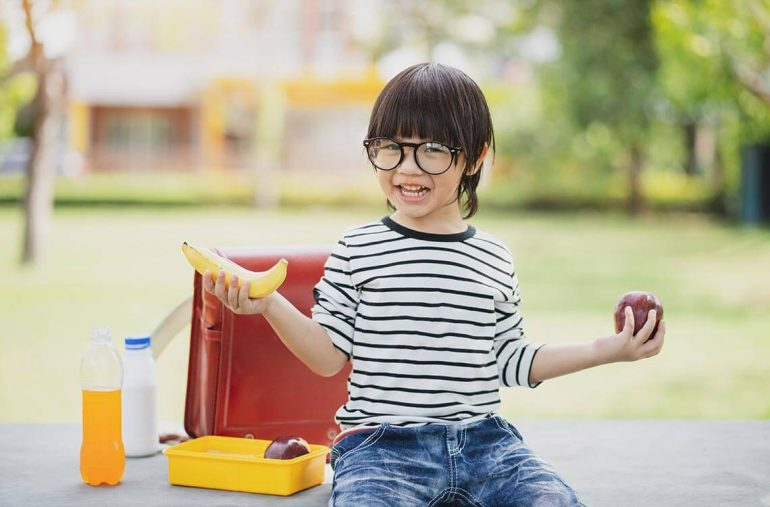
For most families, the goal should not be finding a single “superfood” for vision. It is making sure the child has a varied, balanced diet that supports normal growth and development. This is especially important in younger children, because early life is a key period for both brain and eye development.
Parents should focus on:
- Eating a wide variety of fruits and vegetables
- Including foods rich in vitamin A, omega-3 fatty acids, lutein, and zeaxanthin
- Ensuring adequate intake of essential vitamins and minerals
- Preventing nutritional deficiencies
- Continuing regular eye examinations when there are concerns about vision or visual development
Healthy eating supports not only the eyes but also the brain and the rest of the body.
When To Think Beyond Diet Alone
If a child experiences blurred vision , difficulty reading, poor school visual performance, eye misalignment, or suspected amblyopia, it is important not to rely on dietary changes alone.
A child may have a healthy diet and still develop refractive errors, strabismus, amblyopia, or other eye conditions that require professional assessment and treatment.
Nutrition supports healthy vision, but it cannot diagnose or correct these conditions. Early eye examinations remain essential for identifying problems while treatment is most effective.
Conclusion
Good nutrition plays an important supportive role in eye health and visual development in children by helping maintain healthy retinal function, brain development, and normal visual health. A balanced diet that provides essential nutrients such as vitamin A, omega-3 fatty acids, lutein, and zeaxanthin contributes to overall eye health and healthy visual development as children grow.
However, nutrition is only one part of maintaining good vision. Regular eye examinations, healthy lifestyle habits, and timely treatment of eye conditions remain equally important. Together, these measures give children the best opportunity to achieve and maintain healthy vision throughout childhood.
Children’s eye health is influenced by many factors, including nutrition, visual development, and underlying eye conditions. While a balanced diet can support healthy retinal function, brain development, and overall visual growth, it cannot replace a proper eye assessment when a child shows signs of blurred vision, eye misalignment, reading difficulty, or suspected amblyopia.
Eye doctors such as Dr. Koh Yi Ni, Consultant Ophthalmologist, assesses and manages children’s eye conditions, including refractive errors, strabismus, amblyopia, and other disorders that may affect visual development. Early evaluation helps ensure that any underlying eye condition is identified promptly, allowing nutrition, healthy lifestyle habits, and appropriate medical care to work together in supporting a child’s long-term eye health.